
AI Boosts Clarity of Space Images from Earth Observatories
A new AI model called Neo enhances and restores ground-based astronomical images, making them nearly as clear as space telescope captures.


Achieving sharper space images remains a top goal in modern astronomy. While ground telescopes have improved, Earth's atmosphere still distorts incoming light, limiting image quality.
This challenge has led to investments in adaptive optics, which correct atmospheric distortions in real-time. But now, artificial intelligence offers a new approach to enhance images without extra costly hardware.
This breakthrough is crucial for maximizing the potential of ground observatories, speeding up discoveries and reducing costs. Neo, based on conditional generative adversarial networks, learns to reconstruct lost details by training on paired images from telescopes like Subaru and Hubble.
The results are impressive: Neo can improve galaxy resolution by 2 to 10 times, allowing astronomers to see individual stars and precise galaxy shapes that previously appeared as fuzzy blobs. Its rapid processing enables analysis of massive datasets in days instead of years.
This shift in visual processing paradigms shows how AI can revolutionize astronomy, making large-scale data analysis more efficient and opening new frontiers in universe exploration.
Keep reading online — scan the code
https://go.tricuatro.com/2mHBy
© tricuatro.com
Article topics
Related articles
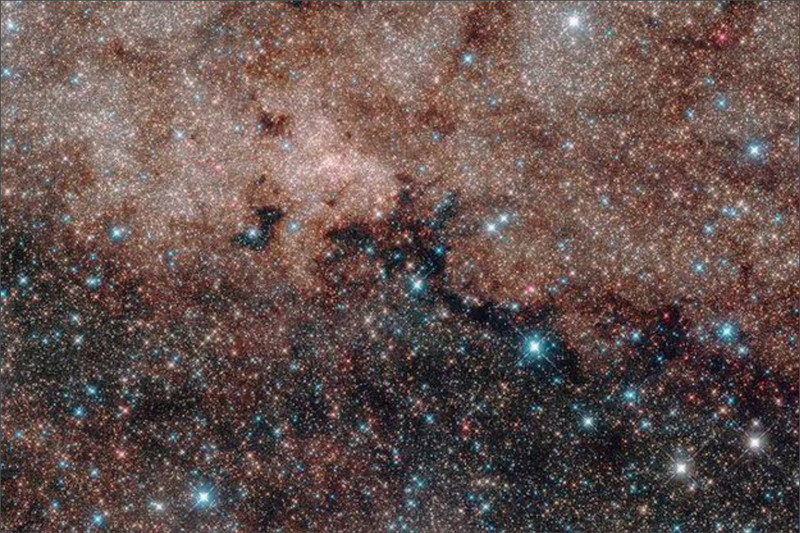
Sweet Interstellar Discovery: Erythrulose Detected in the Milky Way
Scientists from the Spanish Astrobiology Center have for the first time identified a true sugar, erythrulose, in a gas and dust cloud near our galaxy's center. This finding suggests complex molecules can form before stars and planets are born.

TikTok tests AI tool to protect creators from deepfakes
The video platform is rolling out an opt-in feature allowing users to verify their identity and report unauthorized AI-generated likenesses.
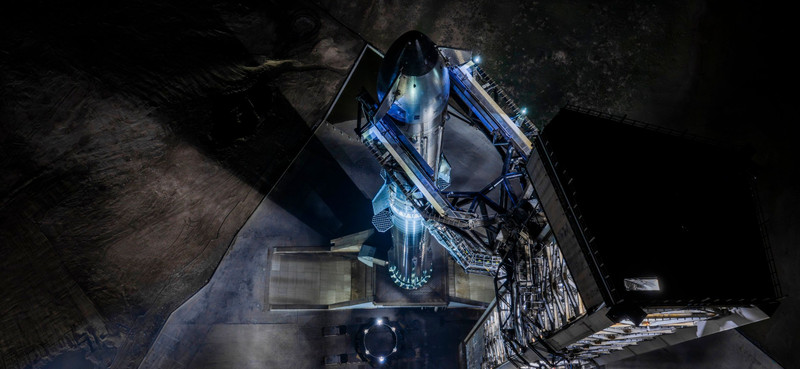
SpaceX Scrubs Starship Test Flight in South Texas
Computer systems detected an anomaly during the Super Heavy booster's engine startup sequence, forcing the mission's abort.
Latest news
View all
Paramount and Warner Bros. Merger Halted by Judge Over Antitrust Concerns
A coalition of 12 states successfully petitioned Judge Araceli Martinez-Olguin to temporarily block the deal, citing fears of higher prices and reduced content.

MIT Chip Converts Invisible Infrared Light into Crucial Data
MIT researchers developed an innovative chip detecting methane and propane using mid-infrared light, with potential for millions of pixels and optical computing.

Assassin's Creed Black Flag Resynced Smashes 3 Million Sales, New Game Plus Announced
Ubisoft's successful re-release of the pirate classic continues to break records, confirming one of the most requested features from the gaming community.
Comments (0)
No comments yet. Be the first!
Only registered readers can comment.