
Apple and Intel to Produce Chips in US Amid Price Hikes
Donald Trump announced a key agreement between Apple and Intel to manufacture processors in the United States, aiming to diversify Apple's supply chain and mitigate rising costs.

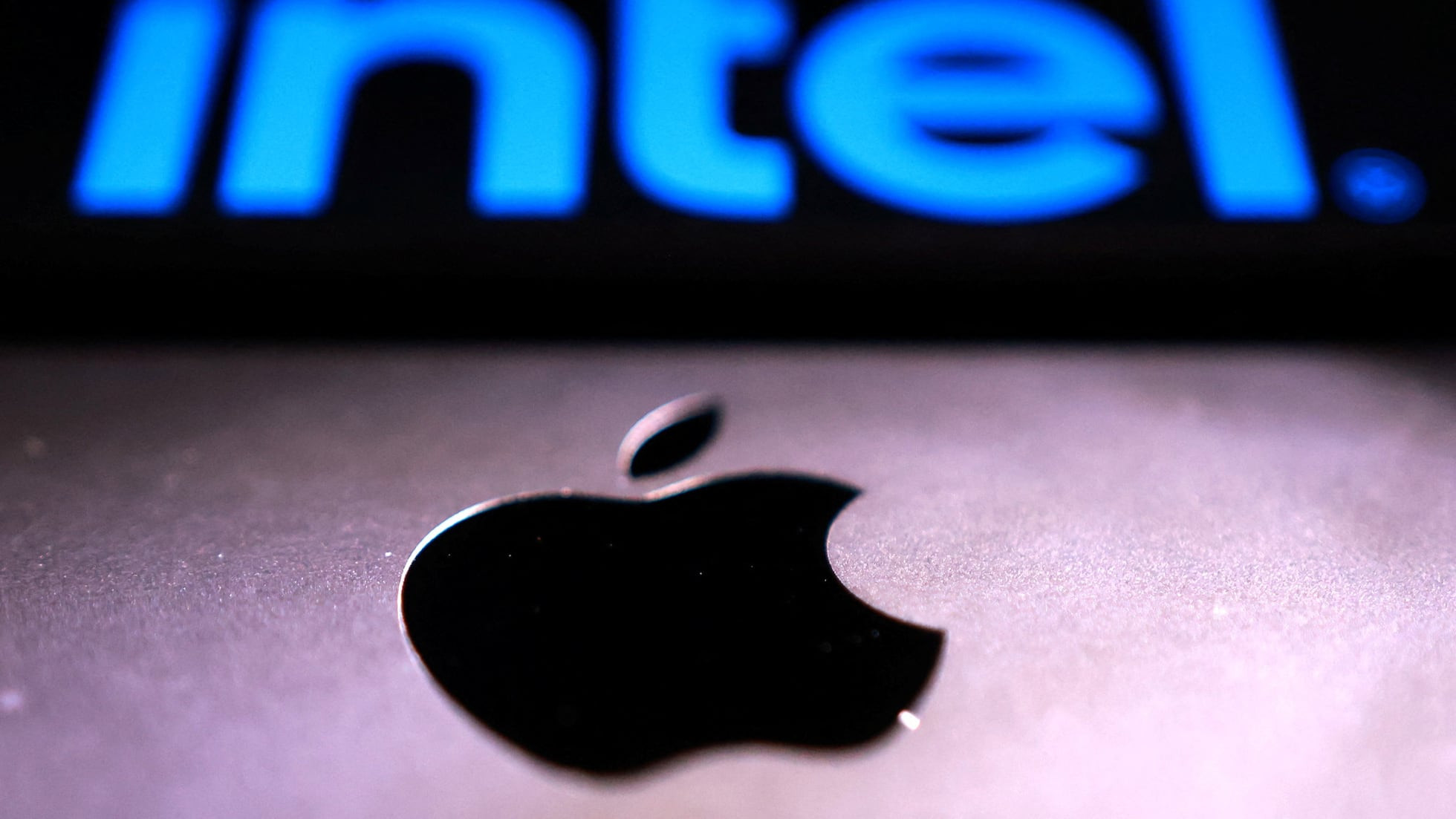
President Donald Trump announced a pivotal agreement on Thursday between Intel and Apple to commence computer chip production in the United States. This strategic move aims to diversify Apple's manufacturing base and address the impending price increases for its products.
This collaboration is critical for Apple, a company heavily reliant on Taiwan for manufacturing the processors used in its iPhones, iPads, and Mac computers. The decision seeks to strengthen the domestic supply chain and reduce vulnerability to external disruptions, while boosting local production.
Trump's announcement follows closely on the heels of Apple CEO Tim Cook's statement to the Wall Street Journal, where he indicated that product price increases are “inevitable.” This surge in costs for memory and storage chips is directly attributed to the booming demand driven by artificial intelligence.
"We are doing everything we can to mitigate the huge increases that are being passed on to us, and we have been trying to protect our customers from such increases, but the situation has become unsustainable," Tim Cook told the Wall Street Journal.
On his Truth Social platform, President Trump underscored the significance of this initiative. “I decided to help Intel because we need to design and manufacture our chips right here in America,” he wrote, emphasizing a vision of technological self-sufficiency and national security.
The news immediately impacted the market, with Intel's shares soaring over 9% in pre-market trading. This isn't the first instance of the Trump administration backing Intel; last August, the government invested US$ 8.9 billion in the company's stock, acquiring approximately a 10% stake.
That earlier investment aimed to expand Intel's research and manufacturing facilities within the United States. The goal was to secure a domestic supply chain for advanced chips, deemed vital for national security reasons and to solidify the country's leadership in the global semiconductor industry, a key priority of Trump's second term.
In his recent post, Trump also reflected on the government's Intel stake value. “They were worth about US$ 100 billion when we made our offer. Now they are worth over US$ 600 billion! In nine months, their value has increased by over half a trillion dollars. The United States' stake now exceeds US$ 60 billion,” he stated, highlighting the exponential growth.
Apple has not yet responded to CNN's request for comment regarding this agreement. This lack of official statement from the company, coupled with Tim Cook's warning about prices, suggests that iPhone, iPad, and Mac users could face direct financial impacts in the near future, beyond just the diversification of production.
Keep reading online — scan the code
https://go.tricuatro.com/apple-an
© tricuatro.com
Article topics
Related articles
MIT Chip Converts Invisible Infrared Light into Crucial Data
MIT researchers developed an innovative chip detecting methane and propane using mid-infrared light, with potential for millions of pixels and optical computing.

Tesla Launches Electric Cybertruck Replica for Kids in the US
Tesla introduces its scaled-down Cybertruck for children aged 6 to 12, an electric vehicle priced at USD 1,500, currently exclusive to the US market.
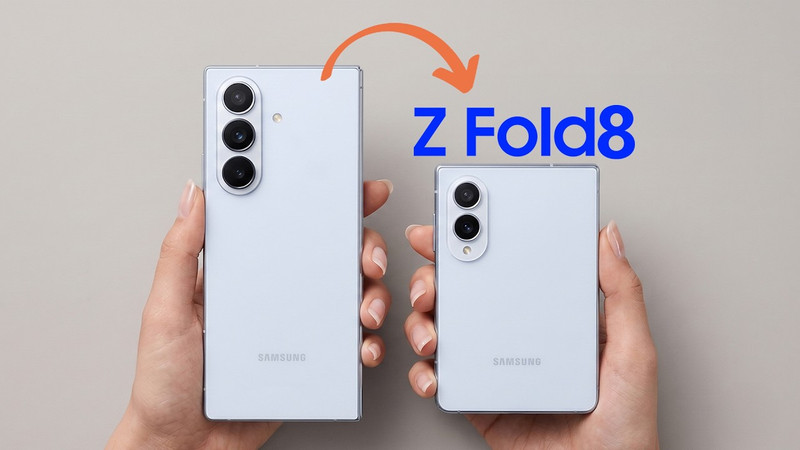
Samsung Galaxy Z Fold 8: "Passport" Design and Specs Leaked
Samsung's upcoming foldable, the Galaxy Z Fold 8, has been fully leaked, revealing a more square design and details on its displays, processor, and battery ahead of its official July launch.
Latest news
View all
Assassin's Creed Black Flag Resynced Smashes 3 Million Sales, New Game Plus Announced
Ubisoft's successful re-release of the pirate classic continues to break records, confirming one of the most requested features from the gaming community.
TikTok tests AI tool to protect creators from deepfakes
The video platform is rolling out an opt-in feature allowing users to verify their identity and report unauthorized AI-generated likenesses.

The Batman II Delayed to 2028, New Teaser Freezes Us with Excitement
Warner Bros. Pictures confirmed another delay for 'The Batman' sequel, pushing its release to early 2028, but offset the wait with an intriguing, icy first look.
Comments (0)
No comments yet. Be the first!
Only registered readers can comment.