
Apple Sues OpenAI Over Alleged Hardware Trade Secret Theft
The Cupertino giant accuses former key employees, including Tang Tan, of stealing confidential hardware information for OpenAI's benefit and its expansion into consumer hardware.

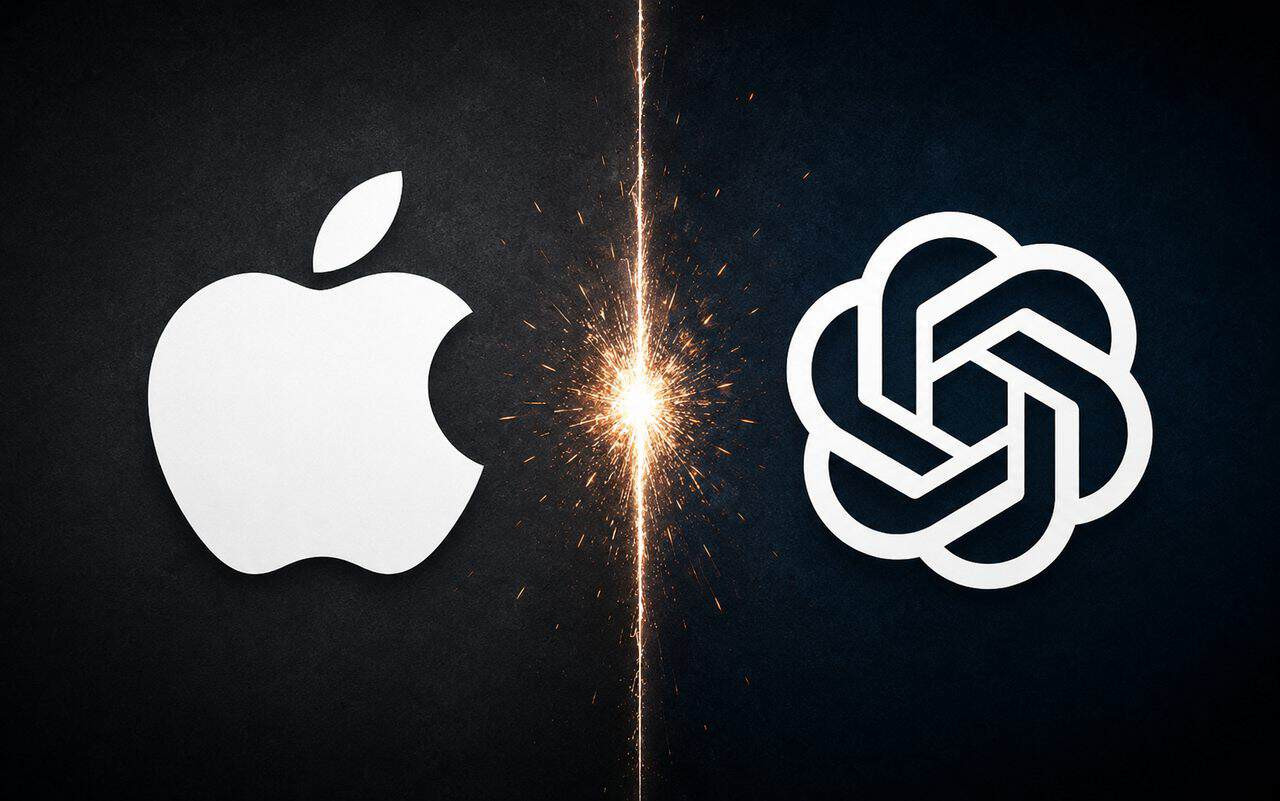
How far can the race for AI hardware go before crossing a line? Apple has sued OpenAI, accusing former employees of the Cupertino company of stealing confidential hardware trade secrets for the benefit of the artificial intelligence startup. The complaint, specifically naming Tang Tan and Chang Liu, alleges a pattern of proprietary file theft and the use of sensitive information to fuel OpenAI's push into consumer product development.
Apple's lawsuit suggests this behavior is merely "the tip of the iceberg," identifying a broader pattern involving former employees who later joined OpenAI and may have engaged in similar practices. This accusation comes at a critical time as OpenAI seeks to solidify its presence in the hardware market.
Among the named defendants is Tang Tan, Apple’s former Vice President of Product Design, who oversaw iPhone and Apple Watch hardware. Tan left Apple in 2024 to join Jony Ive’s hardware startup, io Products, which OpenAI acquired in 2025 in a reported $6.5 billion deal, bringing Tan and more than 50 engineers into the company.
"This case is about Apple’s former employees stealing Apple’s trade secrets for the benefit of OpenAI," the complaint states.
Another key name in the lawsuit is Chang Liu, a former senior systems electrical engineer who worked at Apple for eight years. Apple alleges Liu continued accessing its systems after his departure by exploiting a security vulnerability, downloading confidential hardware files that included engineering presentations, manufacturing documentation, technical specifications, and proprietary project data.
The iPhone maker also claims Liu instructed another Apple employee on how to copy confidential files and avoid detection before leaving for OpenAI. Furthermore, the complaint details that OpenAI recruiters, including Tan, allegedly encouraged candidates interviewing for positions to bring confidential hardware components, prototypes, and CAD files to interviews.
According to the filing, Tan allegedly questioned candidates using internal Apple project codenames and requested "actual parts" for "show and tell" sessions to obtain additional information about unreleased products. Apple also claims OpenAI used confidential supplier information to approach longtime Apple manufacturing partners and requested work involving proprietary production techniques without Apple’s authorization.
OpenAI, for its part, denied the allegations. In a statement shared on X by Drew Pusateri, Director of Strategic Communications, the company said: "We have no interest in other companies’ trade secrets. We remain focused on building innovative technology that empowers people everywhere." Apple, meanwhile, stated that protecting its intellectual property remains a priority, according to an Apple spokesperson.
This legal dispute arrives as OpenAI continues developing its first generation of consumer hardware products following its acquisition of io Products. Apple is seeking damages as well as injunctive relief to prevent any continued use of its alleged trade secrets, arguing that this confidential information forms the foundation of OpenAI’s emerging hardware business.
The case also follows earlier legal disputes surrounding OpenAI’s hardware efforts, including separate trade secret allegations brought by hardware startup iyO earlier this year. With more than 400 former Apple employees now working at OpenAI, though only Tan and Liu are individually named in this lawsuit, the situation highlights the increasing competition surrounding the development of next-generation AI devices and the invaluable worth of the proprietary technology behind them.
Keep reading online — scan the code
https://go.tricuatro.com/apple-su
© tricuatro.com
Article topics
Related articles
TikTok tests AI tool to protect creators from deepfakes
The video platform is rolling out an opt-in feature allowing users to verify their identity and report unauthorized AI-generated likenesses.

Anthropic Tackles AI's Toughest Questions for a Responsible Future
The company launches an initiative to understand public concerns and transparently address the challenges of artificial intelligence development.

Meta Launches Muse Image, its Generative AI with Public Profile Access
Meta's Superintelligence Labs division introduced Muse Image, a model that creates and edits photos using text or images from public Instagram and WhatsApp profiles, marking a key step in content personalization.
Latest news
View all
MIT Chip Converts Invisible Infrared Light into Crucial Data
MIT researchers developed an innovative chip detecting methane and propane using mid-infrared light, with potential for millions of pixels and optical computing.

Assassin's Creed Black Flag Resynced Smashes 3 Million Sales, New Game Plus Announced
Ubisoft's successful re-release of the pirate classic continues to break records, confirming one of the most requested features from the gaming community.
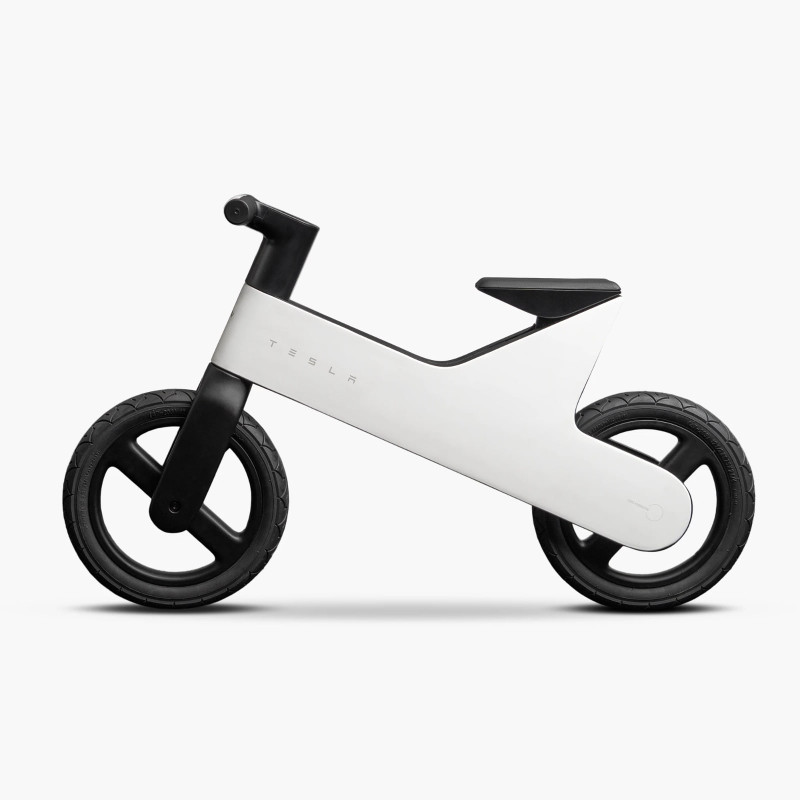
Tesla Launches Electric Cybertruck Replica for Kids in the US
Tesla introduces its scaled-down Cybertruck for children aged 6 to 12, an electric vehicle priced at USD 1,500, currently exclusive to the US market.
Comments (0)
No comments yet. Be the first!
Only registered readers can comment.