
Chrome Bolsters Security with DBSC Against Cookie Theft
Google Chrome has rolled out a new DBSC feature, linking sessions to your hardware to protect accounts from credential theft attacks.


Are you worried about malware stealing your credentials and gaining access to your online accounts? Google Chrome has just implemented an invisible defense that protects your sessions from cookie theft, a growing threat across the internet. This new feature, known as DBSC, is now rolling out for all personal and Google Workspace accounts, according to a Google Workspace blog post, starting May 29, 2026.
This implementation addresses a frequent problem online: attackers use malware to extract login cookies saved on your hard drive. By cloning these files onto another computer, hackers can access your profiles without needing to know your password or bypass two-step verification. It's a stealthy and highly effective technique for circumventing traditional security barriers.
Chrome uses a technology called Device Bound Session Credentials (DBSC), which associates the login with your computer's physical components.
DBSC technology neutralizes this method by changing how the browser manages your identity. Chrome directly associates the login with your computer's physical components. This means that access data no longer functions as passes that anyone can copy and use from another location; instead, they are intrinsically linked to your specific device.
A major advantage of this system is its complete transparency. It requires no manual configuration from the user. The process runs entirely automatically in the background every time you log into a compatible service from an updated version of the browser. Integrated directly into Chrome, this defense remains active continuously without you noticing any impact on performance while visiting your usual websites.
According to the GitHub repository, DBSC shifts security responsibility to hardware through the use of advanced cryptography. When you log into a platform, the browser generates a unique key pair. The private key is securely stored within your computer's security chip. These components are specifically designed to prevent data export, ensuring the private key always remains safe on your device.
From that moment on, the website's server implements a constant verification mechanism. When a session cookie expires, the browser must prove it still possesses the original private key to receive an automatic renewal of access data. If an attacker manages to steal your temporary session files via a Trojan, the server will demand a cryptographic proof that only your physical chip can sign.
Google states that this strategy significantly changes the cybersecurity landscape. It forces attackers to operate strictly within the infected machine. While an active virus could perform actions while controlling the system, it will lose all access capabilities the moment it is removed from the computer. This drastically reduces the risk of persistent and remote access.
DBSC protection will be rolled out starting May 29, 2026, for all Chrome users with a personal or work account. The deployment will be gradual and activated by default, removing any barriers to adoption. Google emphasized that limiting the validity of stolen data to a very brief period will help curb the credential selling ecosystem, a lucrative market for cybercriminals.
Keep reading online — scan the code
https://go.tricuatro.com/chrome-b
© tricuatro.com
Article topics
Related articles

MIT Chip Converts Invisible Infrared Light into Crucial Data
MIT researchers developed an innovative chip detecting methane and propane using mid-infrared light, with potential for millions of pixels and optical computing.
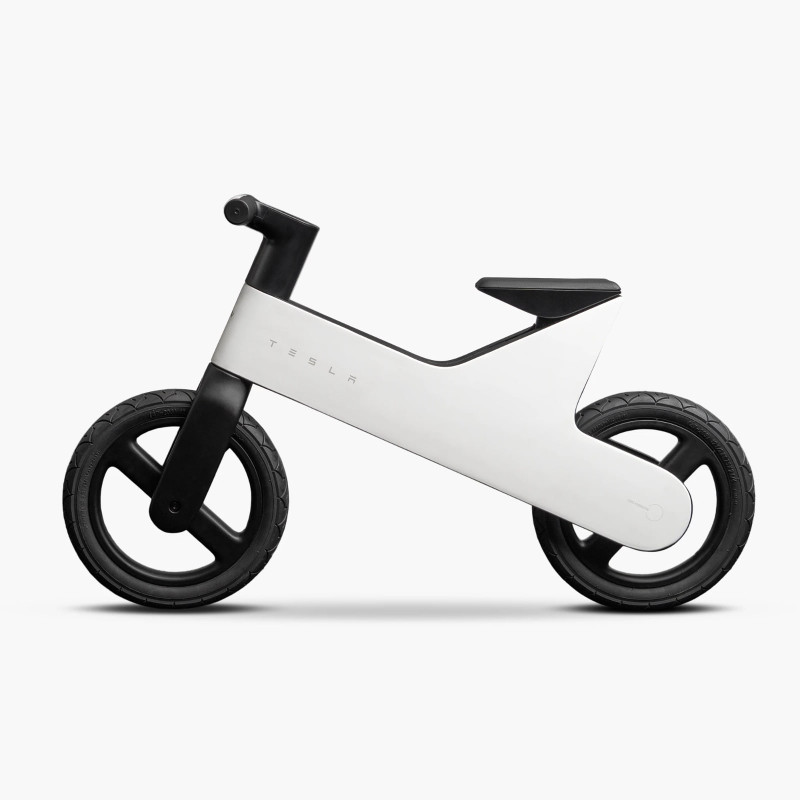
Tesla Launches Electric Cybertruck Replica for Kids in the US
Tesla introduces its scaled-down Cybertruck for children aged 6 to 12, an electric vehicle priced at USD 1,500, currently exclusive to the US market.
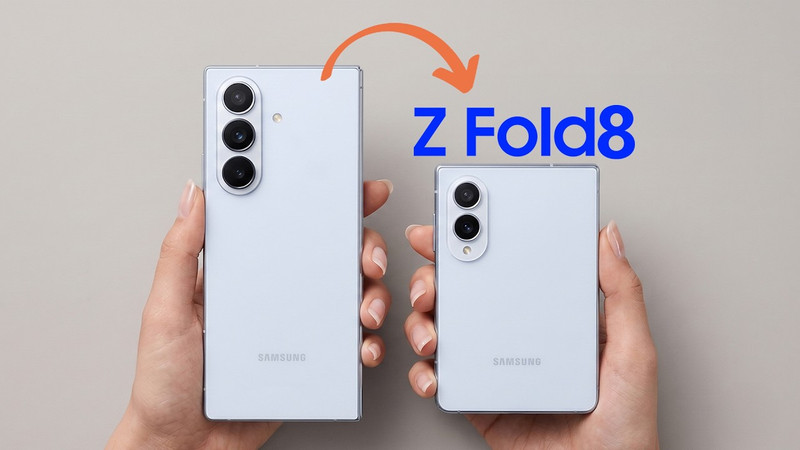
Samsung Galaxy Z Fold 8: "Passport" Design and Specs Leaked
Samsung's upcoming foldable, the Galaxy Z Fold 8, has been fully leaked, revealing a more square design and details on its displays, processor, and battery ahead of its official July launch.
Latest news
View all
Sweet Interstellar Discovery: Erythrulose Detected in the Milky Way
Scientists from the Spanish Astrobiology Center have for the first time identified a true sugar, erythrulose, in a gas and dust cloud near our galaxy's center. This finding suggests complex molecules can form before stars and planets are born.

Paramount and Warner Bros. Merger Halted by Judge Over Antitrust Concerns
A coalition of 12 states successfully petitioned Judge Araceli Martinez-Olguin to temporarily block the deal, citing fears of higher prices and reduced content.

Assassin's Creed Black Flag Resynced Smashes 3 Million Sales, New Game Plus Announced
Ubisoft's successful re-release of the pirate classic continues to break records, confirming one of the most requested features from the gaming community.
Comments (0)
No comments yet. Be the first!
Only registered readers can comment.