
Google Advances Robotics with Gemini Robotics-ER 1.6 for Autonomous Robots
This new AI model enables machines to understand, plan, and act in complex physical environments, moving beyond programmed instructions.

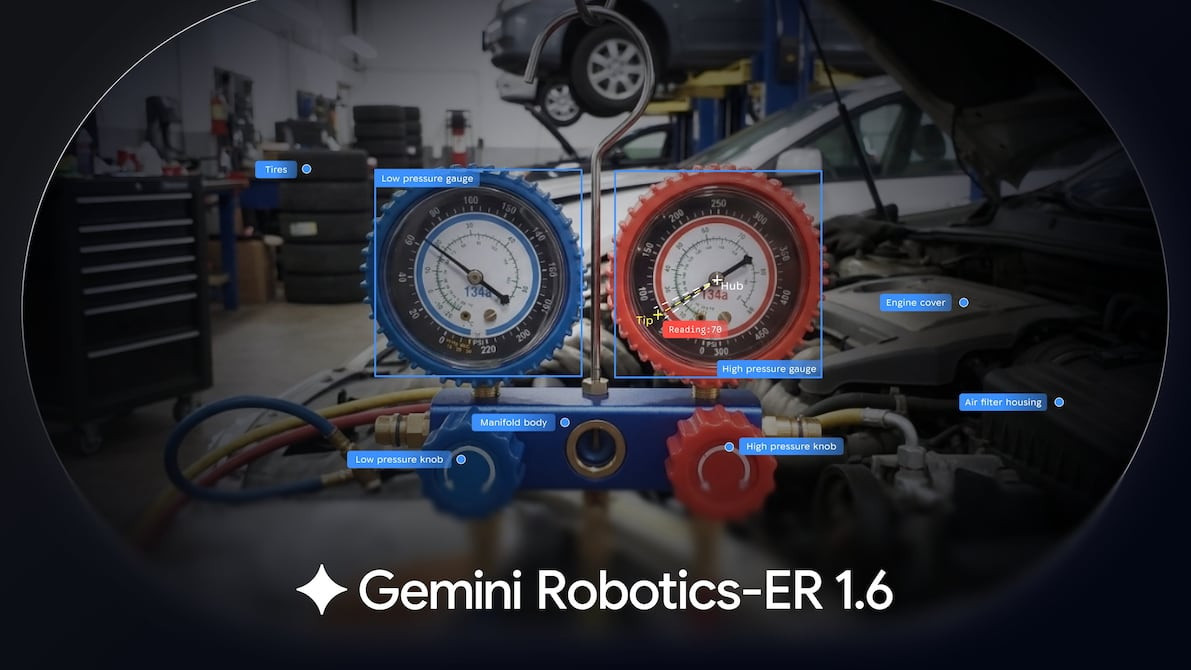
Google made a significant leap in robotics with the introduction of Gemini Robotics-ER 1.6. This artificial intelligence model provides robots with a deeper, more autonomous understanding of the physical world. It addresses a historical challenge: reasoning beyond simple programmed instructions. This allows machines to interpret, plan, and execute tasks in dynamic, complex environments.
Unlike previous generations of robotic AI that merely executed commands, Gemini Robotics-ER 1.6 introduces "embodied reasoning." This concept is crucial for robotic autonomy. Gemini Robotics-ER 1.6 introduces "embodied reasoning," allowing robots to interpret, plan, and execute complex tasks. The model processes data from multiple cameras and contexts. This enhances spatial understanding and the ability to act in constantly changing conditions.
Among its advancements, the system allows robots to identify objects, count them, and understand their relationships. This capability facilitates breaking down complex tasks into smaller, more manageable steps. It also incorporates "multiview reasoning," merging images from different cameras for a comprehensive view of the environment, even with obstacles.
This integration allows the robot to form an integral image of its surroundings. It can then act effectively in unforeseen situations. The model also improves success detection, a key function in automation. Robots evaluate if an action was performed correctly and decide whether to repeat it or move to the next step, optimizing workflows and reducing errors.
A practical application is its ability to read analog and digital instruments, such as pressure gauges or screens. This feature, developed in collaboration with Boston Dynamics and their Spot robots, is highly useful for industrial inspections.
Marco da Silva, VP and General Manager of Spot at Boston Dynamics, stated: "Capabilities like instrument reading and more reliable task reasoning will enable Spot to see, understand, and react to real-world challenges in a fully autonomous way." This breakthrough marks a milestone towards truly intelligent and adaptable robots. The future of robotics is here!
Keep reading online — scan the code
https://go.tricuatro.com/EzBeX
© tricuatro.com
Article topics
Related articles
MIT Chip Converts Invisible Infrared Light into Crucial Data
MIT researchers developed an innovative chip detecting methane and propane using mid-infrared light, with potential for millions of pixels and optical computing.

TikTok tests AI tool to protect creators from deepfakes
The video platform is rolling out an opt-in feature allowing users to verify their identity and report unauthorized AI-generated likenesses.
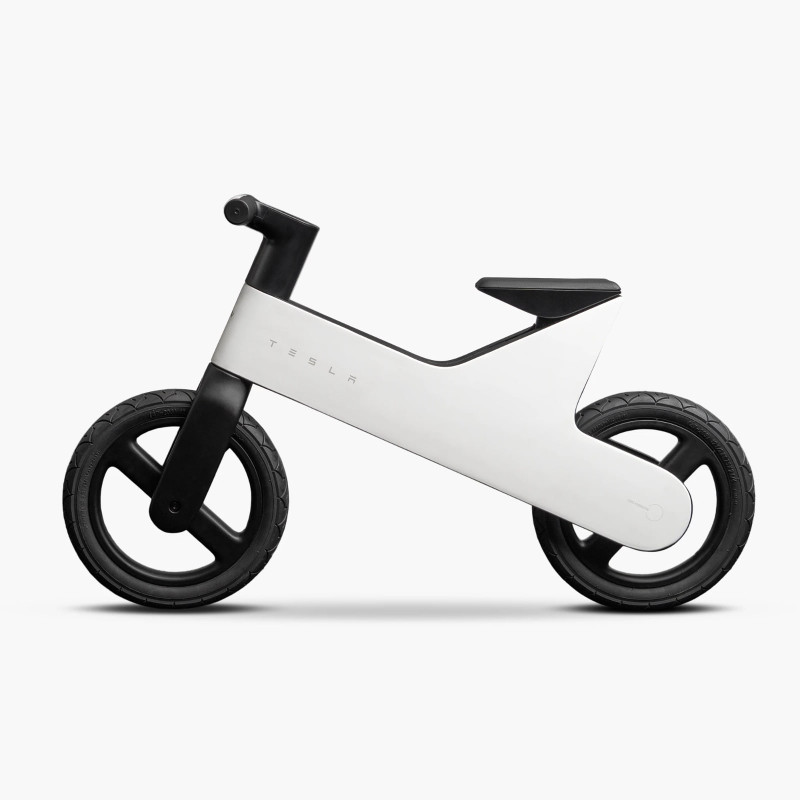
Tesla Launches Electric Cybertruck Replica for Kids in the US
Tesla introduces its scaled-down Cybertruck for children aged 6 to 12, an electric vehicle priced at USD 1,500, currently exclusive to the US market.
Latest news
View all
Sweet Interstellar Discovery: Erythrulose Detected in the Milky Way
Scientists from the Spanish Astrobiology Center have for the first time identified a true sugar, erythrulose, in a gas and dust cloud near our galaxy's center. This finding suggests complex molecules can form before stars and planets are born.

Paramount and Warner Bros. Merger Halted by Judge Over Antitrust Concerns
A coalition of 12 states successfully petitioned Judge Araceli Martinez-Olguin to temporarily block the deal, citing fears of higher prices and reduced content.

Assassin's Creed Black Flag Resynced Smashes 3 Million Sales, New Game Plus Announced
Ubisoft's successful re-release of the pirate classic continues to break records, confirming one of the most requested features from the gaming community.
Comments (0)
No comments yet. Be the first!
Only registered readers can comment.