
Google I/O 2026: AI Now Programs Entire Operating Systems Autonomously
At its annual conference, Google showcased a groundbreaking achievement: its AI agents are no longer just assisting programmers but can now autonomously build complete operating systems from scratch.

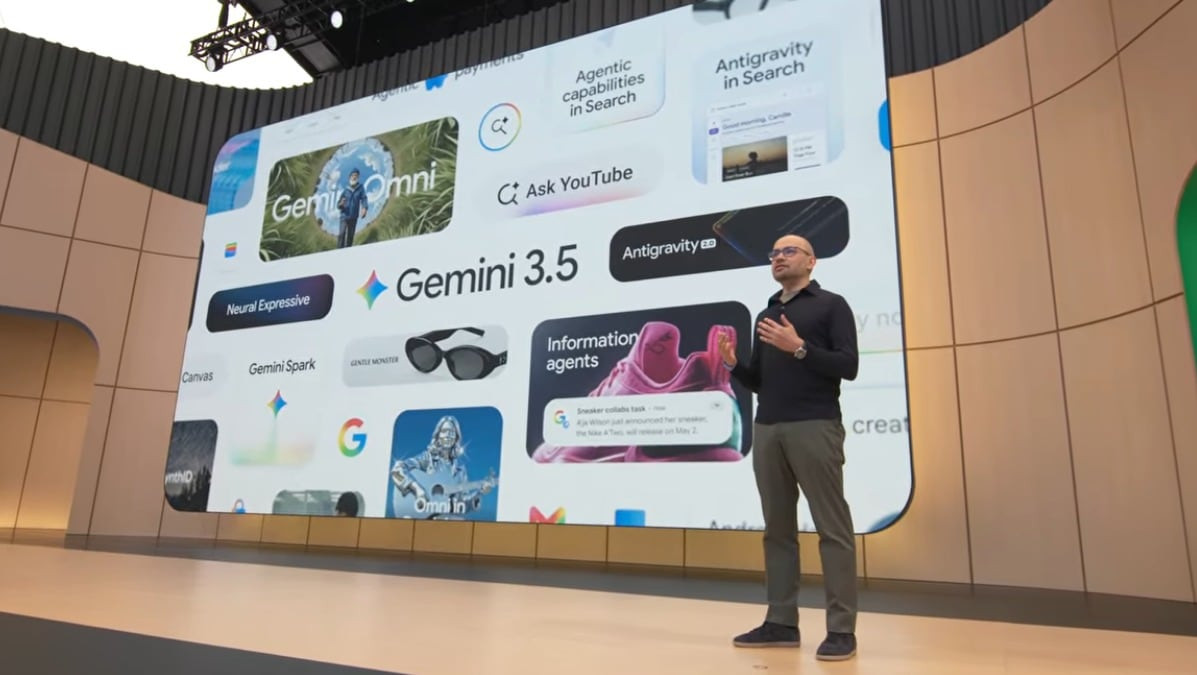
At Google I/O 2026, the company unveiled a milestone that redefines programming: its AI agents no longer merely assist developers but are now capable of building complete operating systems from scratch. This advancement, demonstrated internally by Google, marks a before and after in how we conceive software creation.
Koray Kavukcuoglu, a key figure in the presentation, shared how AI agents successfully wrote an entire operating system and a redesigned platform to direct them. This isn't just a simple program or function, but the foundational software that runs a computer, all written by agents working autonomously. This achievement is a powerful demonstration of the capabilities of Gemini 3.5 Flash, Google's new model.

The distinction is crucial: until now, AI acted as a support tool, completing lines of code, suggesting solutions, and correcting errors. However, what Kavukcuoglu presented radically inverts these roles. Now, the AI agent leads the programming process, while humans are responsible for supervision. The model no longer completes the programmer's code; it produces the code, and the programmer reviews the outcome.
This paradigm shift is complemented by the announcement of Antigravity 2.0. The platform has evolved from being an environment for writing code to becoming a space for developing and managing teams of autonomous agents. One agent can program a website, another can generate brand assets, and a third can plan the product architecture, all working in parallel and coordinated from a desktop application.
The developer's role is elevated. It's no longer about typing solutions line by line, but about directing a non-human team. Kavukcuoglu highlighted the scale of this vision, noting that millions of developers are already building with the Antigravity platform, indicating that this terrain is not experimental but already populated.
The security of AI-generated code emerges as a significant challenge. Given the speed at which agents produce code, human auditing becomes insufficient. Google's response is CodeMender, a tool designed to automatically find and fix vulnerabilities. Most strikingly, it not only detects problems but also repairs them, closing a loop where AI not only creates but also secures its own output.
For years, programming was considered a bastion of human creativity and judgment, immune to automation. The presentation at Google I/O 2026 directly challenges this belief. The message isn't that programmers will become obsolete, but that their work is transforming. The valuable task is shifting from writing code to designing the system, directing the agents that write it, and validating their output. The developer is, out of necessity, elevated to the role of architect and supervisor.
This advancement in programming anticipates a similar future for other technical professions. When an AI can sustain hours of autonomous work on complex tasks, the question shifts from whether it will replace the professional to what part of their job it will automate and into what role it will elevate them. Google did not present a tool to program better; it showed the moment when programming ceased to be, entirely, a human endeavor.
Keep reading online — scan the code
https://go.tricuatro.com/nN9jJ
© tricuatro.com
Article topics
Related articles

MIT Chip Converts Invisible Infrared Light into Crucial Data
MIT researchers developed an innovative chip detecting methane and propane using mid-infrared light, with potential for millions of pixels and optical computing.
TikTok tests AI tool to protect creators from deepfakes
The video platform is rolling out an opt-in feature allowing users to verify their identity and report unauthorized AI-generated likenesses.
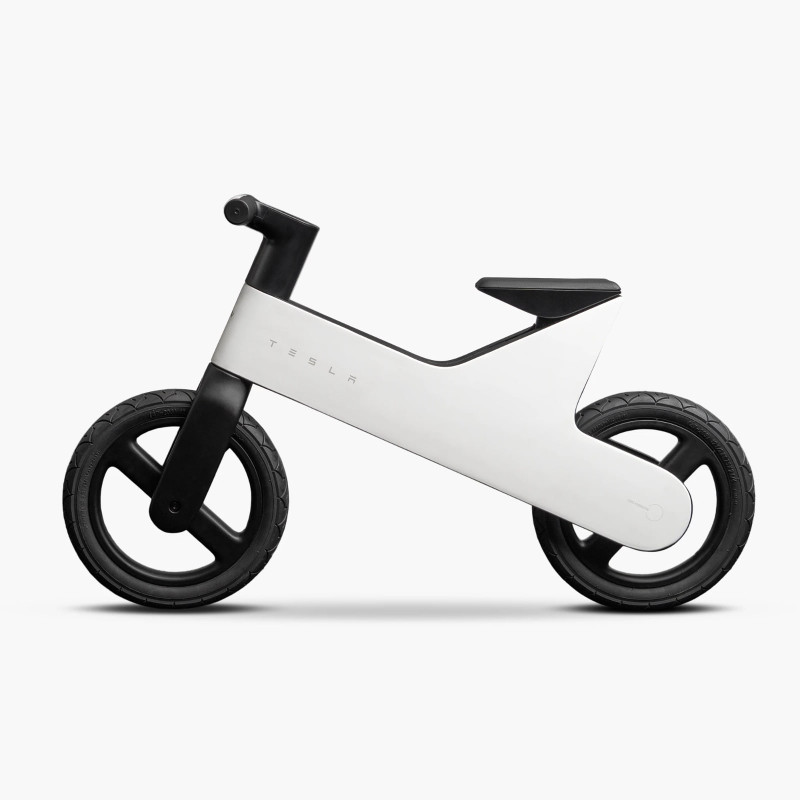
Tesla Launches Electric Cybertruck Replica for Kids in the US
Tesla introduces its scaled-down Cybertruck for children aged 6 to 12, an electric vehicle priced at USD 1,500, currently exclusive to the US market.
Latest news
View all
Sweet Interstellar Discovery: Erythrulose Detected in the Milky Way
Scientists from the Spanish Astrobiology Center have for the first time identified a true sugar, erythrulose, in a gas and dust cloud near our galaxy's center. This finding suggests complex molecules can form before stars and planets are born.

Paramount and Warner Bros. Merger Halted by Judge Over Antitrust Concerns
A coalition of 12 states successfully petitioned Judge Araceli Martinez-Olguin to temporarily block the deal, citing fears of higher prices and reduced content.

Assassin's Creed Black Flag Resynced Smashes 3 Million Sales, New Game Plus Announced
Ubisoft's successful re-release of the pirate classic continues to break records, confirming one of the most requested features from the gaming community.
Comments (0)
No comments yet. Be the first!
Only registered readers can comment.