
Half-Life writer surprised by how few FPS games followed Valve's storytelling approach
Marc Laidlaw, lead writer of Half-Life, expressed surprise that so few first-person shooters adopted Valve's immersive storytelling model, despite the influence of titles like Medal of Honor and Call of Duty.

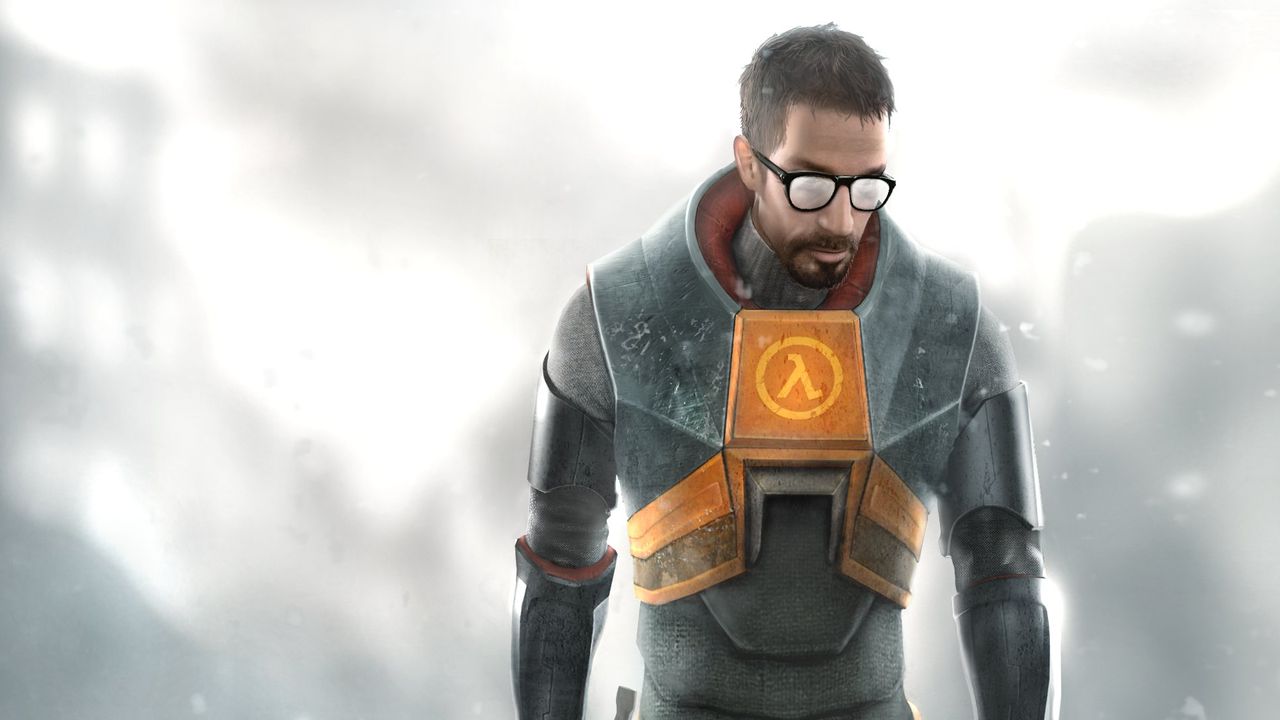
A revolutionary approach to FPS storytelling
When Half-Life launched in 1998, it didn’t just redefine first-person shooter gameplay—it introduced a groundbreaking narrative design that changed how stories could be told in games. Unlike most titles of the era, which relied on cutscenes and external cinematics to advance the plot, Valve chose to embed the narrative directly into the gameplay experience. Players assumed the role of Gordon Freeman, a scientist at the Black Mesa Research Facility, and discovered the unfolding story in real time through environmental cues, ambient dialogue, and in-world events—all without breaking immersion. This method, known as immersive storytelling or 'storytelling through gameplay,' aimed to keep players constantly engaged, maintaining a seamless flow between action and narrative.
Valve's influence beyond narrative
While Half-Life’s narrative design was pioneering, its most visible impact on the industry extended beyond storytelling. Many subsequent games adopted gameplay mechanics inspired by Valve, such as improved enemy AI, environmental puzzles, and a cinematic yet linear progression. However, according to Marc Laidlaw, Half-Life’s lead writer, few titles truly embraced Valve’s immersive narrative approach. In recent comments, Laidlaw noted that games like Medal of Honor and Call of Duty did incorporate some of these principles—especially in their early entries—but inconsistently, often sacrificing immersion for traditional cutscenes or expository dialogue. The result was a partial adoption of Valve’s philosophy, diluted by more conventional storytelling techniques.
Half-Life’s narrative legacy in question
Laidlaw expressed surprise at how, despite Half-Life’s critical and commercial success, so few developers followed its narrative blueprint. 'It’s curious to see how many games borrowed mechanics, but very few focused on how the story could flow naturally within the game,' he said. This approach—avoiding abrupt cuts and keeping the player fully immersed as the protagonist—is key to the realism and urgency that define the Half-Life experience. While titles like BioShock or Portal (also from Valve) successfully replicated parts of this formula, most mainstream FPS games opted for more traditional structures, with missions divided into chapters and narratives driven by secondary characters or voiceovers.
Why wasn’t the model replicated?
One possible explanation lies in the technical and design complexity of building an immersive narrative. Seamlessly integrating story elements without interrupting gameplay requires precise coordination between level design, art direction, programming, and writing. Additionally, many studios prioritize fast pacing and constant action, leading them to simplify or sideline narrative elements. There’s also commercial pressure to include charismatic characters and memorable dialogue—elements that often work better in cutscenes than in ambient interactions. For these reasons, Valve’s model, while widely admired, never became an industry standard.
The future of storytelling in FPS games
Despite these challenges, there are signs that interest in immersive storytelling is resurging. Games like Half-Life: Alyx (2020) have demonstrated that Valve’s original approach remains relevant, especially in virtual reality environments where immersion is paramount. Independent developers are also exploring innovative ways to tell stories without relying on cutscenes or forced dialogue. Meanwhile, Half-Life’s legacy continues to serve as a benchmark for those seeking to deepen how video games can tell stories uniquely. As Laidlaw put it, perhaps not everyone followed the path—but its existence still inspires those willing to try.
Keep reading online — scan the code
https://go.tricuatro.com/EuVEY
© tricuatro.com
Article topics
Related articles
Assassin's Creed Black Flag Resynced Smashes 3 Million Sales, New Game Plus Announced
Ubisoft's successful re-release of the pirate classic continues to break records, confirming one of the most requested features from the gaming community.

Lady Deathstrike Joins Marvel's Wolverine in New Trailer Reveal
Insomniac Games released an intense new trailer for "Marvel's Wolverine," confirming Lady Deathstrike as a formidable antagonist and building anticipation for the PlayStation 5 exclusive.
Xbox Layoffs Impact The Elder Scrolls 6 Development
Over 50 Bethesda Game Studios employees were laid off, raising concerns about delays and team morale for the highly anticipated The Elder Scrolls 6, according to reports to IGN.
Latest news
View all
Sweet Interstellar Discovery: Erythrulose Detected in the Milky Way
Scientists from the Spanish Astrobiology Center have for the first time identified a true sugar, erythrulose, in a gas and dust cloud near our galaxy's center. This finding suggests complex molecules can form before stars and planets are born.

Paramount and Warner Bros. Merger Halted by Judge Over Antitrust Concerns
A coalition of 12 states successfully petitioned Judge Araceli Martinez-Olguin to temporarily block the deal, citing fears of higher prices and reduced content.

MIT Chip Converts Invisible Infrared Light into Crucial Data
MIT researchers developed an innovative chip detecting methane and propane using mid-infrared light, with potential for millions of pixels and optical computing.
Comments (0)
No comments yet. Be the first!
Only registered readers can comment.