
Humanoid robot glides on ice and impresses with its balance
Unitree Robotics showcased a humanoid robot that now skates on inline skates and ice, demonstrating advances in mobility and dynamic control.

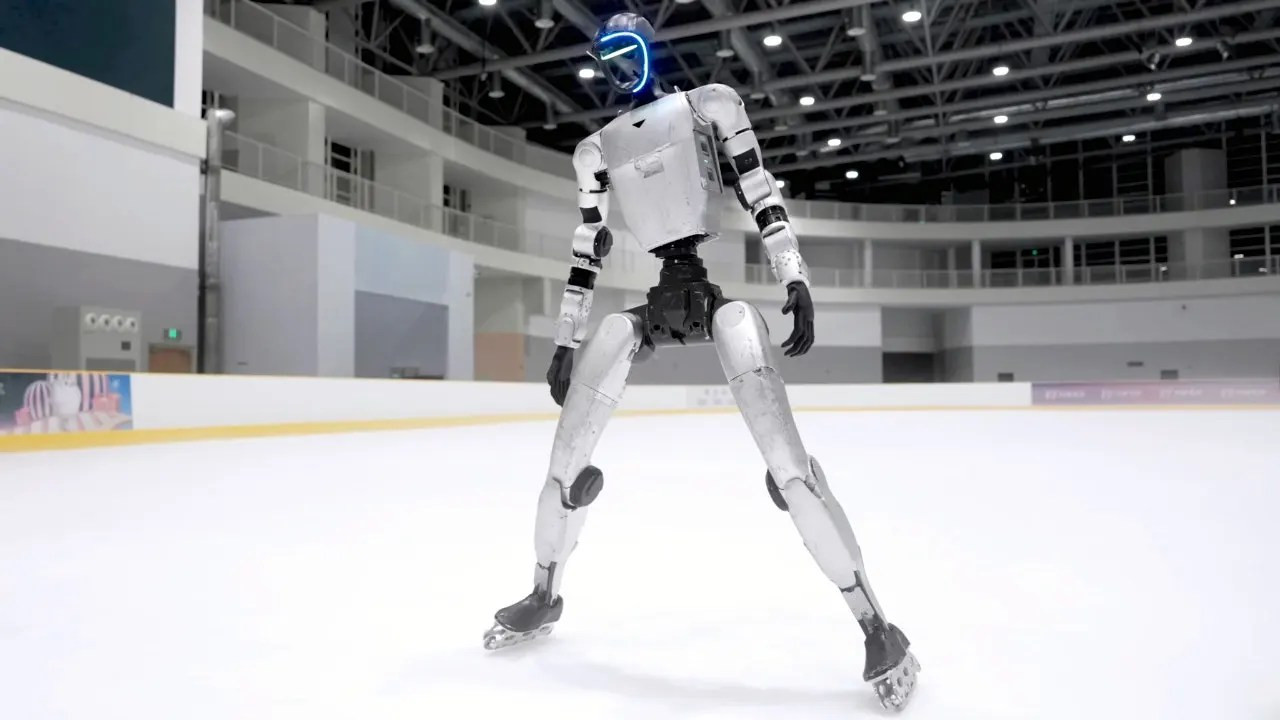
Humanoid robots continue to expand their abilities, reaching a milestone that once seemed exclusive to humans. Chinese company Unitree Robotics released a video showing its G1 robot skating on inline skates and ice with impressive balance and coordination. The footage captures the robot performing complex movements while maintaining stability on surfaces that challenge any machine. The G1 not only moves on wheels or ice but also executes turns, quick direction changes, pirouettes, and even a somersault without losing control.

This development marks a significant step forward in humanoid robot design, a field that has seen rapid progress in mobility, artificial intelligence, and dynamic control in recent years. In the video, the robot starts moving on two integrated wheels, leaning forward and moving its arms to keep balance. The scene resembles a person skating more than a traditional machine.
Later, the humanoid performs more complex maneuvers, including fast spins and a complete flip that lands stably before continuing. It then uses regular inline skates, demonstrating even greater precision by changing directions, lifting a leg while turning, and performing small dance-like steps without losing stability. One of the most striking moments occurs on ice, where the G1 glides smoothly, executing continuous turns similar to an artistic skater, all without falls or abrupt stops.
Why is this breakthrough important? Maintaining dynamic balance has always been a major challenge in humanoid robotics. Walking, running, or reacting to sudden terrain changes requires precise real-time calculations. On unstable surfaces like ice, the difficulty rises sharply, as even minor errors can cause falls. The G1’s secret lies in its hybrid mobility system, which combines wheels and humanoid joints within a single design. This allows it to switch between fast movements and adaptable actions based on the environment.
According to Unitree, this approach aims to merge the energy efficiency and speed of wheeled robots with the adaptability of legged robots. Practically, this results in a humanoid capable of moving swiftly on flat surfaces and maintaining balance in complex situations, opening new horizons for advanced robotic mobility.
Keep reading online — scan the code
https://go.tricuatro.com/NvqYH
© tricuatro.com
Article topics
Related articles

MIT Chip Converts Invisible Infrared Light into Crucial Data
MIT researchers developed an innovative chip detecting methane and propane using mid-infrared light, with potential for millions of pixels and optical computing.
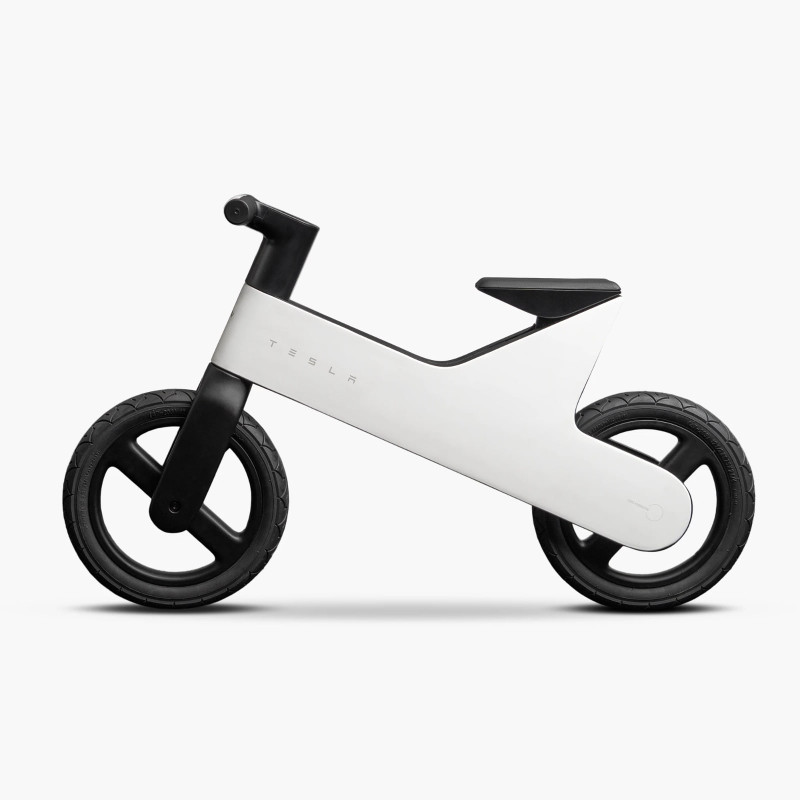
Tesla Launches Electric Cybertruck Replica for Kids in the US
Tesla introduces its scaled-down Cybertruck for children aged 6 to 12, an electric vehicle priced at USD 1,500, currently exclusive to the US market.
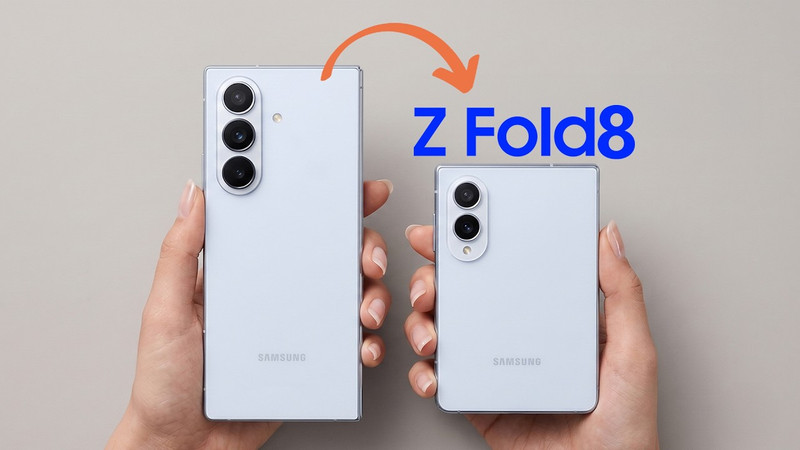
Samsung Galaxy Z Fold 8: "Passport" Design and Specs Leaked
Samsung's upcoming foldable, the Galaxy Z Fold 8, has been fully leaked, revealing a more square design and details on its displays, processor, and battery ahead of its official July launch.
Latest news
View all
Sweet Interstellar Discovery: Erythrulose Detected in the Milky Way
Scientists from the Spanish Astrobiology Center have for the first time identified a true sugar, erythrulose, in a gas and dust cloud near our galaxy's center. This finding suggests complex molecules can form before stars and planets are born.

Paramount and Warner Bros. Merger Halted by Judge Over Antitrust Concerns
A coalition of 12 states successfully petitioned Judge Araceli Martinez-Olguin to temporarily block the deal, citing fears of higher prices and reduced content.

Assassin's Creed Black Flag Resynced Smashes 3 Million Sales, New Game Plus Announced
Ubisoft's successful re-release of the pirate classic continues to break records, confirming one of the most requested features from the gaming community.
Comments (0)
No comments yet. Be the first!
Only registered readers can comment.