
Meta faces potential $1.4 trillion fine over addictive youth products
Mark Zuckerberg's company prepares for a pivotal trial in August, accused by several states of violating consumer protection and child privacy laws.

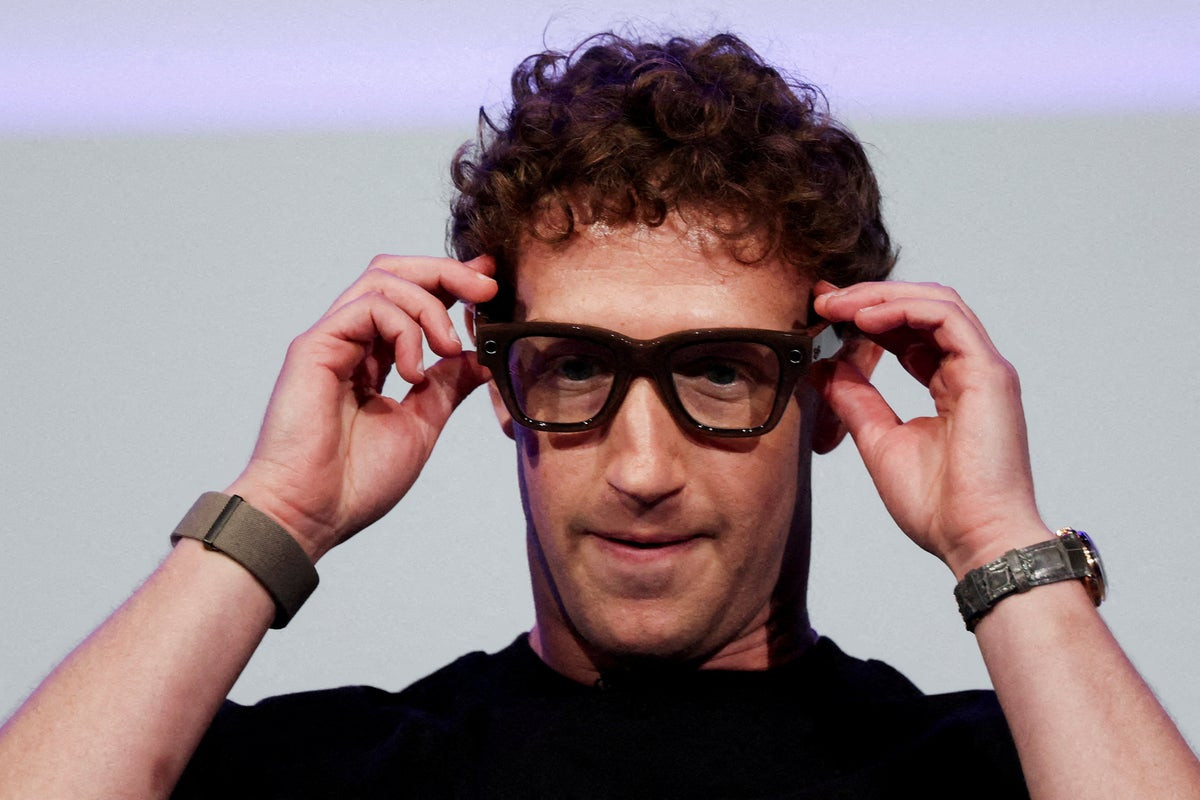
The potential $1.4 trillion penalty, a figure close to Meta's roughly $1.5 trillion market value, places the company at the center of an unprecedented legal battle. According to calculations from several states' attorneys general, the tech giant is gearing up for a pivotal trial set to begin in August in Oakland, California.
California, Colorado, Kentucky, and New Jersey allege that Meta violated state consumer protection laws by creating addictive products specifically designed for children and teens. The company, for its part, vehemently denies these allegations.
"A sanction of that size has no analog in the history of consumer protection enforcement," the company stated in its court filing.
Meta has labeled the proposed penalty as "unsupported by the evidence." Earlier hearings in June revealed that the states calculated potential penalties by multiplying the number of alleged violations by the fines allowed under state law. These alleged violations are based on the estimated number of children and teenagers affected by its platforms.
Furthermore, the August trial before U.S. District Judge Yvonne Gonzalez Rogers will also consider claims brought by 29 additional states. These states accuse Meta of violating the federal Children's Online Privacy Protection Act (COPPA) by collecting children's data without proper parental consent.
Meta's defense argues that "social media addiction" is not an established psychiatric diagnosis. Therefore, it contends that its statements denying its platforms are addictive could not have been false. This point is a central contention in the legal dispute, challenging the plaintiffs' narrative.
Last month, Judge Rogers rejected Meta's request to delay the August proceedings. Her ruling indicated that unresolved factual disputes exist over whether its platforms are addictive, whether the company falsely denied designing them that way, and whether Meta intentionally targeted children. California Attorney General Rob Bonta accused Meta of prioritizing profits over children's safety and pledged to hold the company "fully accountable" for its alleged role in the youth mental health crisis.
This case is not an isolated incident; Meta is one of several social media companies facing mounting legal pressure. Companies like Snap, Alphabet-owned YouTube, and ByteDance-owned TikTok are also battling thousands of lawsuits. These allege they intentionally designed their platforms to keep children and teenagers hooked, contributing to widespread mental health problems.
A significant precedent was set in March when New Mexico became the first state to take such claims to trial. A jury awarded a $375 million verdict after finding that the company had misled consumers. Currently, a judge is considering whether to award additional damages and order changes to Instagram, Facebook, and WhatsApp, key Meta products.
Beyond the August trial, Meta faces additional legal battles. Fourteen more states are pursuing similar claims under their own laws, with a separate trial scheduled for February. The resolution of these cases could radically redefine how social media platforms operate and design their products aimed at young users.
Keep reading online — scan the code
https://go.tricuatro.com/meta-fac
© tricuatro.com
Article topics
Related articles

MIT Chip Converts Invisible Infrared Light into Crucial Data
MIT researchers developed an innovative chip detecting methane and propane using mid-infrared light, with potential for millions of pixels and optical computing.

Tesla Launches Electric Cybertruck Replica for Kids in the US
Tesla introduces its scaled-down Cybertruck for children aged 6 to 12, an electric vehicle priced at USD 1,500, currently exclusive to the US market.

Samsung Galaxy Z Fold 8: "Passport" Design and Specs Leaked
Samsung's upcoming foldable, the Galaxy Z Fold 8, has been fully leaked, revealing a more square design and details on its displays, processor, and battery ahead of its official July launch.
Latest news
View all
Assassin's Creed Black Flag Resynced Smashes 3 Million Sales, New Game Plus Announced
Ubisoft's successful re-release of the pirate classic continues to break records, confirming one of the most requested features from the gaming community.
TikTok tests AI tool to protect creators from deepfakes
The video platform is rolling out an opt-in feature allowing users to verify their identity and report unauthorized AI-generated likenesses.

The Batman II Delayed to 2028, New Teaser Freezes Us with Excitement
Warner Bros. Pictures confirmed another delay for 'The Batman' sequel, pushing its release to early 2028, but offset the wait with an intriguing, icy first look.
Comments (0)
No comments yet. Be the first!
Only registered readers can comment.