
Shenzhen Metro: How the World's Most Advanced Network Redefines the City
Explore the story of a transport system that transformed a tech metropolis, combining speed, futuristic design, and unprecedented efficiency.

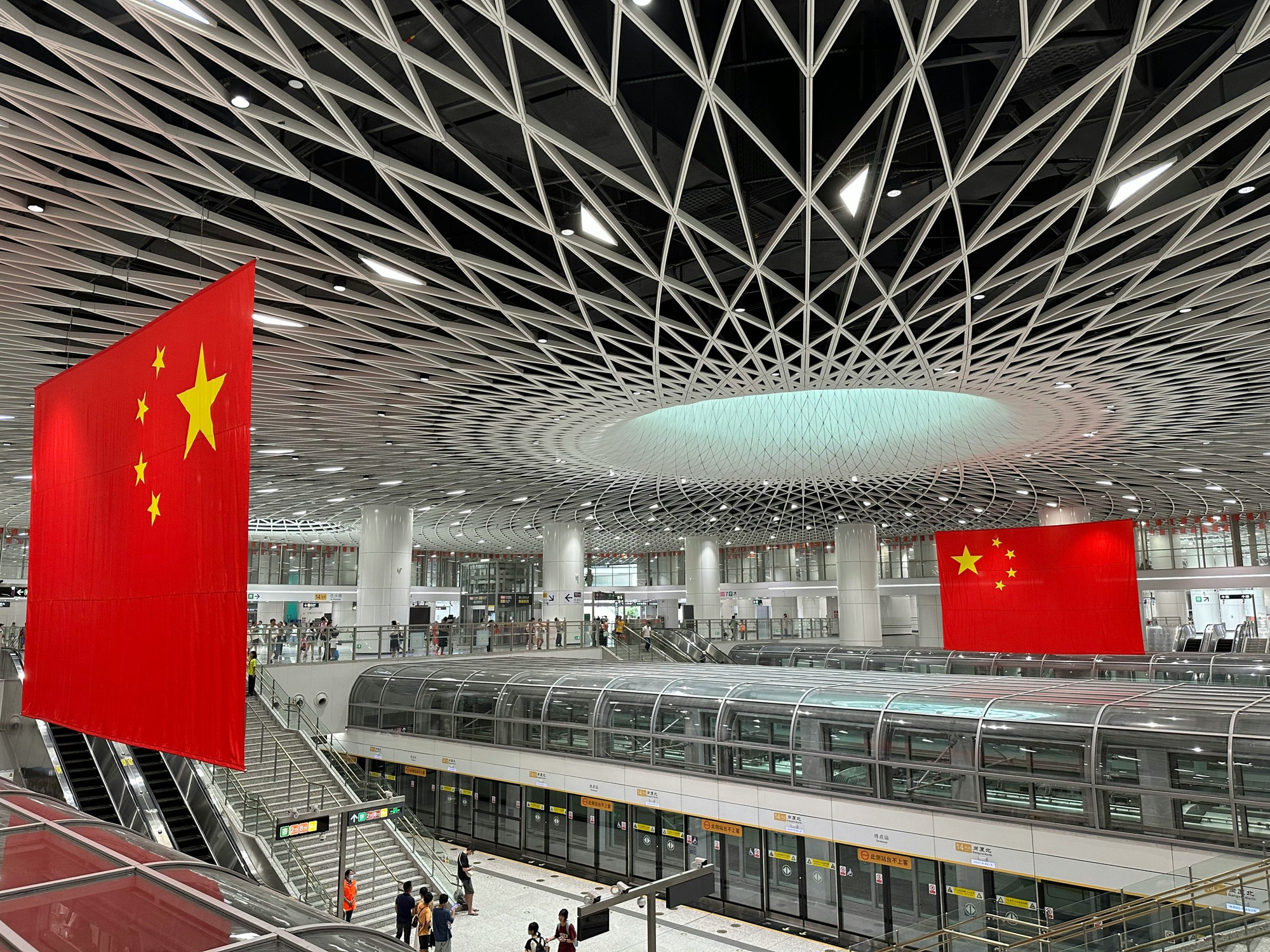
Shenzhen, a city that rapidly transformed from a 330,000-inhabitant hub into a metropolis of over 17 million people in just a few decades, now boasts the world's most advanced metro system. This transport network is not only extensive and fast but also redefines urban engineering with futuristic design and astonishing efficiency. It proves that execution speed and design quality are not incompatible, setting a new global standard for future infrastructure.
Shenzhen's story is one of breathtaking growth. From a regional center, it became a global technological powerhouse, home to giants like Huawei, Tencent, DJI, and BYD. This explosive development demanded a commensurate infrastructure, and the metro responded with unprecedented expansion, accompanying every step of the urban transformation.
What truly sets Shenzhen's metro apart is its bold design vision. Unlike many Western projects that prioritize functionality and cost, entire lines here feature stations that seem straight out of a science fiction film. Aesthetics and user experience are as crucial as operational efficiency, creating truly impactful spaces.
Today, the network spans 635 kilometers in length, features 441 stations, and operates 17 lines. It leads the country in network density and usage intensity, with approximately 15,000 trips per kilometer daily. The system includes both semi-automatic lines and fully automated, driverless lines like Line 20, alongside high-speed routes such as Line 11, which reaches 120 km/h.
Interestingly, two different companies operate the network: Shenzhen Metro Group manages most lines, while Hong Kong's MTR Corporation operates Line 4 and the recent Line 13. This adds a layer of interoperability challenge that the engineering community has successfully addressed. Remarkably, this level of innovation and scale is achieved at a comparatively lower cost. China builds for approximately $250 million per kilometer in purchasing power parity terms, between two and eight times less than Western equivalents like Paris or New York.
Shenzhen's metro does more than just transport people; it acts as an urban catalyst. Its stations were planned following the TOD, or "Transit-Oriented Development," model, fostering urban growth around them. Thus, the network not only serves the city but actively builds and shapes it, generating new centers of activity and community life.
This network serves as a methodological benchmark on a global scale. It extends beyond pure engineering, integrating user experience, innovative design, and intelligent territorial strategy. Shenzhen shows us the future of urban transportation, where technology and vision unite to create more connected and efficient cities.

Keep reading online — scan the code
https://go.tricuatro.com/Zlyxp
© tricuatro.com
Article topics
Related articles

MIT Chip Converts Invisible Infrared Light into Crucial Data
MIT researchers developed an innovative chip detecting methane and propane using mid-infrared light, with potential for millions of pixels and optical computing.
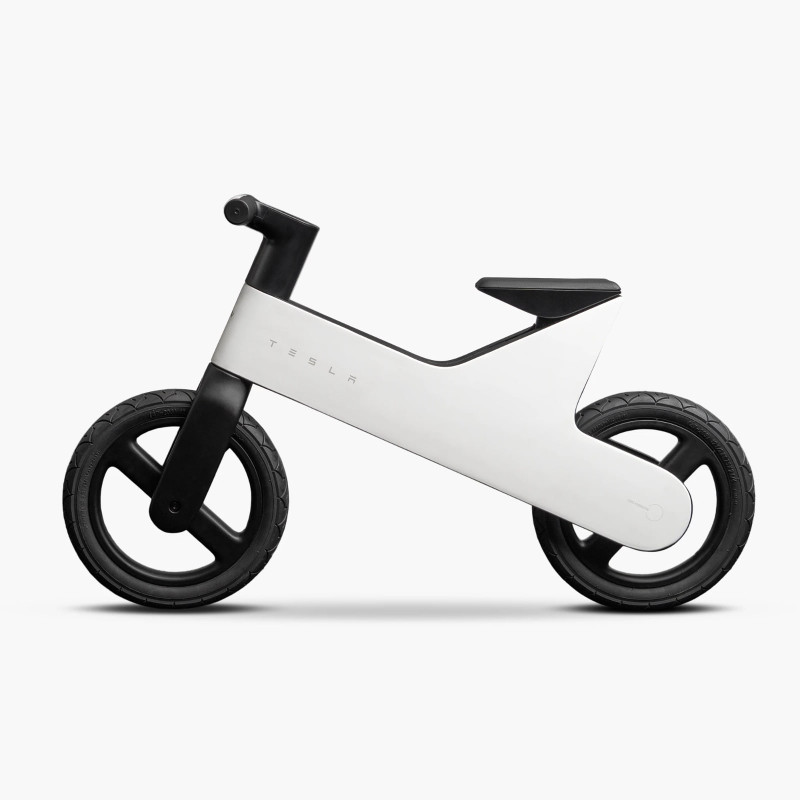
Tesla Launches Electric Cybertruck Replica for Kids in the US
Tesla introduces its scaled-down Cybertruck for children aged 6 to 12, an electric vehicle priced at USD 1,500, currently exclusive to the US market.

Samsung Galaxy Z Fold 8: "Passport" Design and Specs Leaked
Samsung's upcoming foldable, the Galaxy Z Fold 8, has been fully leaked, revealing a more square design and details on its displays, processor, and battery ahead of its official July launch.
Latest news
View all
Sweet Interstellar Discovery: Erythrulose Detected in the Milky Way
Scientists from the Spanish Astrobiology Center have for the first time identified a true sugar, erythrulose, in a gas and dust cloud near our galaxy's center. This finding suggests complex molecules can form before stars and planets are born.

Paramount and Warner Bros. Merger Halted by Judge Over Antitrust Concerns
A coalition of 12 states successfully petitioned Judge Araceli Martinez-Olguin to temporarily block the deal, citing fears of higher prices and reduced content.

Assassin's Creed Black Flag Resynced Smashes 3 Million Sales, New Game Plus Announced
Ubisoft's successful re-release of the pirate classic continues to break records, confirming one of the most requested features from the gaming community.
Comments (0)
No comments yet. Be the first!
Only registered readers can comment.