
Steven Madow: The Art of Capturing the Artemis II Launch with 14 Cameras
Photographer Steven Madow, with over a decade of experience, deployed an impressive array of 14 Panasonic Lumix cameras, including seven remote units, to immortalize the monumental Artemis II launch.

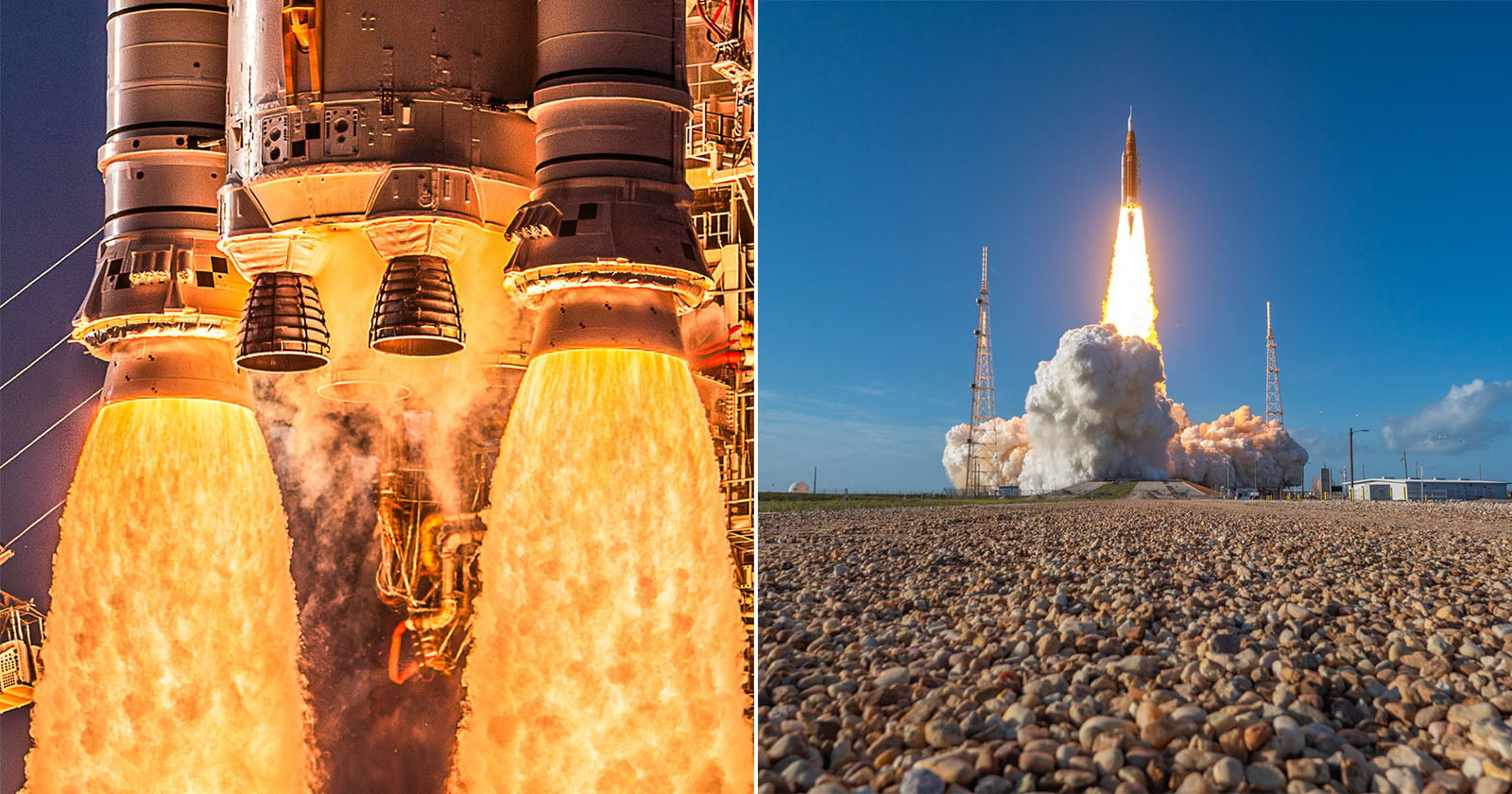
Steven Madow is no ordinary space photographer. With over a decade dedicated to the complex and challenging task of capturing rocket launches, his experience positions him as a true master in his field. However, few events have presented such a significant challenge and opportunity as the launch of the Artemis II mission. This milestone in human space exploration demanded meticulous planning and flawless execution, culminating in a series of photographs that are not only visually stunning but also a testament to Madow's dedication and ingenuity.
The Context of a Historic Mission: Artemis II
The Artemis II mission represents a crucial step in NASA's ambitious program to return humanity to the Moon. As the first crewed flight around our natural satellite in over 50 years, and a direct precursor to future lunar landing missions, its launch is an event of global magnitude. Capturing such an important moment is not just documenting a liftoff; it's immortalizing a chapter in the history of space exploration. The immense scale of the rocket, the speed of ascent, and the raw power of the launch demand a technical preparation and artistic vision that few can match, and Madow has repeatedly demonstrated his ability to rise to these demands.
A Technological Arsenal at the Service of Vision
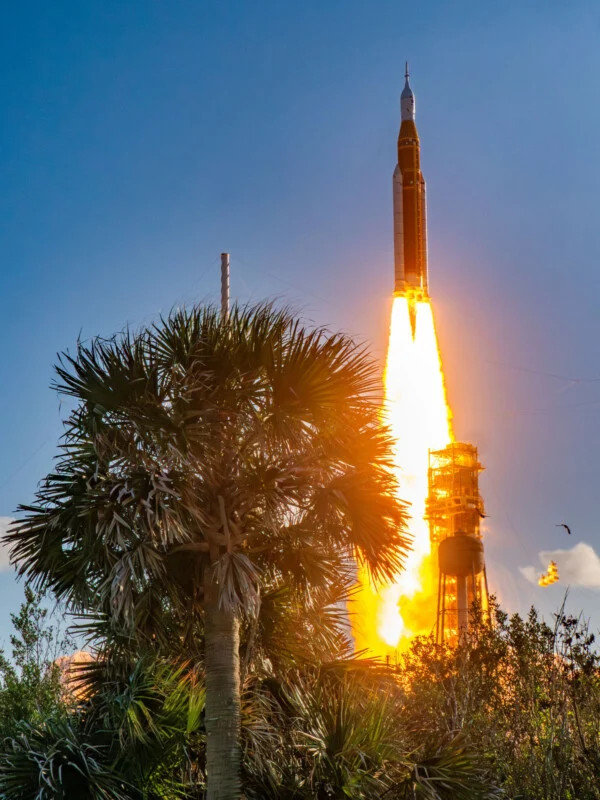
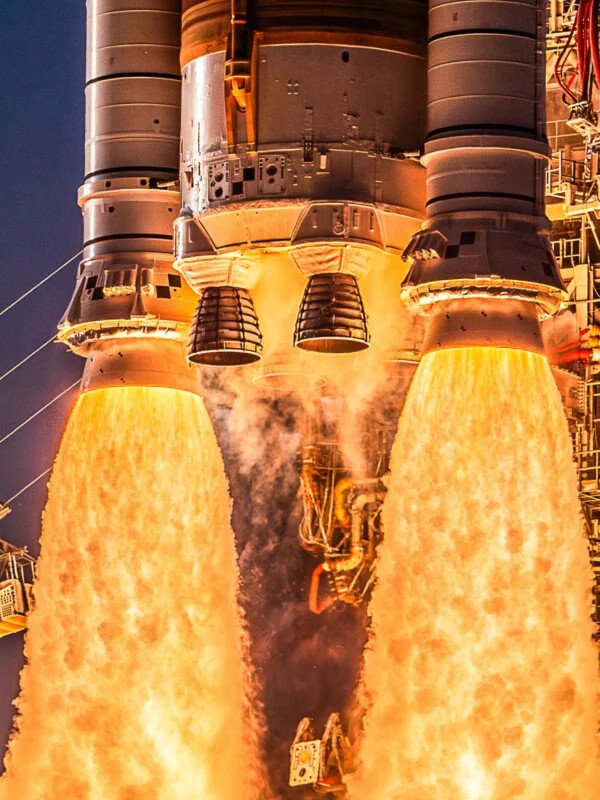
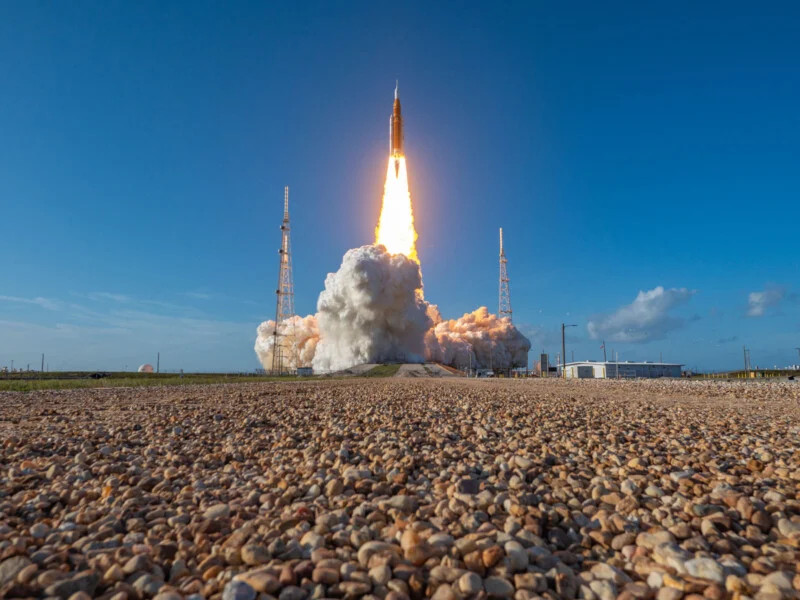
To tackle the complexity of the Artemis II launch, Madow relied on an impressive deployment of technology: 14 Panasonic Lumix cameras. This arsenal was not chosen at random; each camera served a specific purpose within his strategy. Seven of these units were remote cameras, strategically positioned at key points around the launch site. This setup allows for the simultaneous capture of multiple perspectives, from close-ups of the rocket's exhaust plume to panoramic shots of the vehicle ascending into the sky. The choice of Lumix cameras, known for their robustness and image quality, underscores the need for reliable equipment that can withstand extreme conditions and capture details with exceptional precision.
The Mastery Behind Every Shot
Madow's photographic results are not a matter of chance, but the product of years of practice and exhaustive planning. Rocket launch photography is a discipline that combines science, engineering, and art. It involves understanding ballistics, anticipating drastic light changes from dawn to the incandescent glow of the exhaust, and mastering remote triggering systems that must activate with millimeter precision. Each launch is an opportunity to learn and refine techniques, adjusting exposure, focus, and composition to capture the essence of an event that lasts only a few minutes, but whose preparation spans months or even years.
Detailed Planning: Beyond the Shutter Button
Madow's preparation for an event like Artemis II goes far beyond simply placing cameras. It involves extensive site reconnaissance, protecting equipment from intense heat, dust, and vibrations, and setting up power and remote triggering systems that must function flawlessly in a harsh environment. Synchronization is key: remote cameras are often activated by sound sensors or precisely timed triggers, requiring a deep understanding of the launch sequence. This level of detail and foresight is what distinguishes Madow's work, ensuring that every angle and every critical moment is captured with the highest quality.
The Visual Legacy of Space Exploration
Steven Madow's photographs of the Artemis II launch are more than just images; they are historical documents and sources of inspiration. They capture the immense scale of human endeavor to explore the cosmos, the raw beauty of technology in action, and the promise of future discoveries. His work not only satisfies public curiosity but also serves as an invaluable record for engineers, scientists, and future explorers. Through his lens, Madow allows us to witness moments that define our era, solidifying his place as an essential chronicler of the space adventure.
Keep reading online — scan the code
https://go.tricuatro.com/Jbwxu
© tricuatro.com
Article topics
Related articles

Paramount and Warner Bros. Merger Halted by Judge Over Antitrust Concerns
A coalition of 12 states successfully petitioned Judge Araceli Martinez-Olguin to temporarily block the deal, citing fears of higher prices and reduced content.
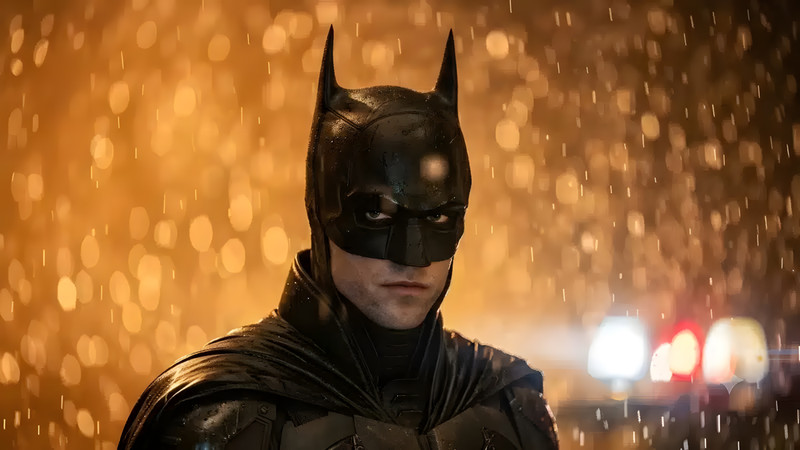
The Batman II Delayed to 2028, New Teaser Freezes Us with Excitement
Warner Bros. Pictures confirmed another delay for 'The Batman' sequel, pushing its release to early 2028, but offset the wait with an intriguing, icy first look.

George Lucas: AI is the Future of Cinema, Focus Groups Stifle Creativity
The iconic Star Wars director champions artificial intelligence's potential for film production while criticizing studios' reliance on audience focus groups.
Latest news
View all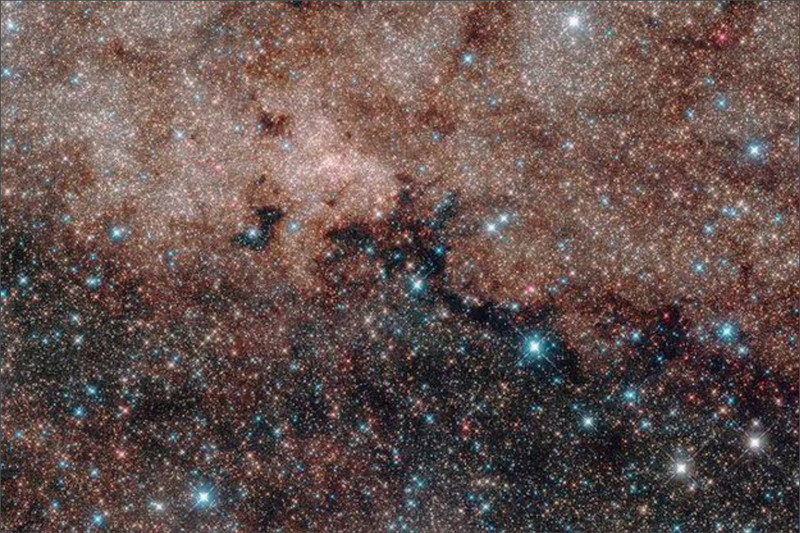
Sweet Interstellar Discovery: Erythrulose Detected in the Milky Way
Scientists from the Spanish Astrobiology Center have for the first time identified a true sugar, erythrulose, in a gas and dust cloud near our galaxy's center. This finding suggests complex molecules can form before stars and planets are born.

MIT Chip Converts Invisible Infrared Light into Crucial Data
MIT researchers developed an innovative chip detecting methane and propane using mid-infrared light, with potential for millions of pixels and optical computing.

Assassin's Creed Black Flag Resynced Smashes 3 Million Sales, New Game Plus Announced
Ubisoft's successful re-release of the pirate classic continues to break records, confirming one of the most requested features from the gaming community.
Comments (0)
No comments yet. Be the first!
Only registered readers can comment.