
Windows 11 has a 30-second clock bug Microsoft refuses to fix
A long-standing clock discrepancy on Windows 11’s lock screen persists by design. Microsoft confirms it’s a security-driven decision, not a bug.


A persistent issue dating back to earlier versions
For years, Windows users have observed an odd behavior in the lock screen clock: when the device is locked or at the login screen, the displayed time can lag up to 30 seconds behind the actual time. This issue is not new or exclusive to Windows 11—it traces back to earlier versions, including Windows 10. Despite Microsoft regularly patching countless bugs through updates, this particular issue has been intentionally left unresolved.
The problem occurs specifically on the secure lock screen, whether the user hasn’t logged in or manually locked the device using the Ctrl+Alt+Del key combination. In these scenarios, the clock does not update in real time but refreshes only every 30 seconds, creating a visible mismatch with the system’s accurate time.
A security-driven design, not a bug
Microsoft has officially confirmed it has no plans to fix this behavior. According to the company, it’s not a technical flaw but an intentional design decision. In its support documentation, Microsoft explains that the secure lock screen operates within the protected Winlogon desktop under the SYSTEM account. This environment has stricter security restrictions to prevent unauthorized access during the authentication process.
To minimize the attack surface, the system reduces how frequently the clock updates in this interface. Instead of refreshing every second, it does so every 30 seconds. This limits potential interactions with system components that could be exploited by malicious software during login. Therefore, the time lag is not a synchronization error but a deliberate security measure.
Differences between lock methods
It’s important to note that not all lock methods exhibit this delay. When a user locks their device using the Windows + L keyboard shortcut, the clock continues to update every minute, staying much closer to real time. This is because this lock mode does not trigger Winlogon’s enhanced security environment, so it doesn’t require the same restrictions.
The distinction between these two scenarios highlights that the behavior is not inconsistent but functional. Microsoft prioritizes security in higher-risk contexts—such as authentication after reboot or using Ctrl+Alt+Del—while allowing a smoother experience during quick desktop locks.
Should you be concerned?
For most users, this time discrepancy is purely cosmetic and does not affect system functionality. Microsoft emphasizes that the operating system’s internal clock, event logs, network services, and authentication processes all use the precise time provided by the Windows kernel, which is synchronized with NTP servers and operates with full accuracy.
However, in highly regulated environments with strict auditing requirements—such as financial, government, or security sectors—relying on the lock screen time could lead to confusion. In these cases, it’s recommended to use system monitoring tools that access kernel-level time directly, avoiding any misunderstandings caused by the graphical interface.
Focusing on more critical issues
In the meantime, Microsoft continues to prioritize fixing more serious and critical issues in Windows 11, such as security vulnerabilities, performance problems, and update errors. This clock issue, while curious, reflects a clear prioritization: system security and stability take precedence over visual precision in non-essential components.
In summary, while the 30-second clock lag on the lock screen might seem like an oversight, it is in fact a well-justified technical decision. Users can rest assured that behind the scenes, the system maintains accurate and secure timekeeping at all times.
Keep reading online — scan the code
https://go.tricuatro.com/BjHvn
© tricuatro.com
Article topics
Related articles

MIT Chip Converts Invisible Infrared Light into Crucial Data
MIT researchers developed an innovative chip detecting methane and propane using mid-infrared light, with potential for millions of pixels and optical computing.
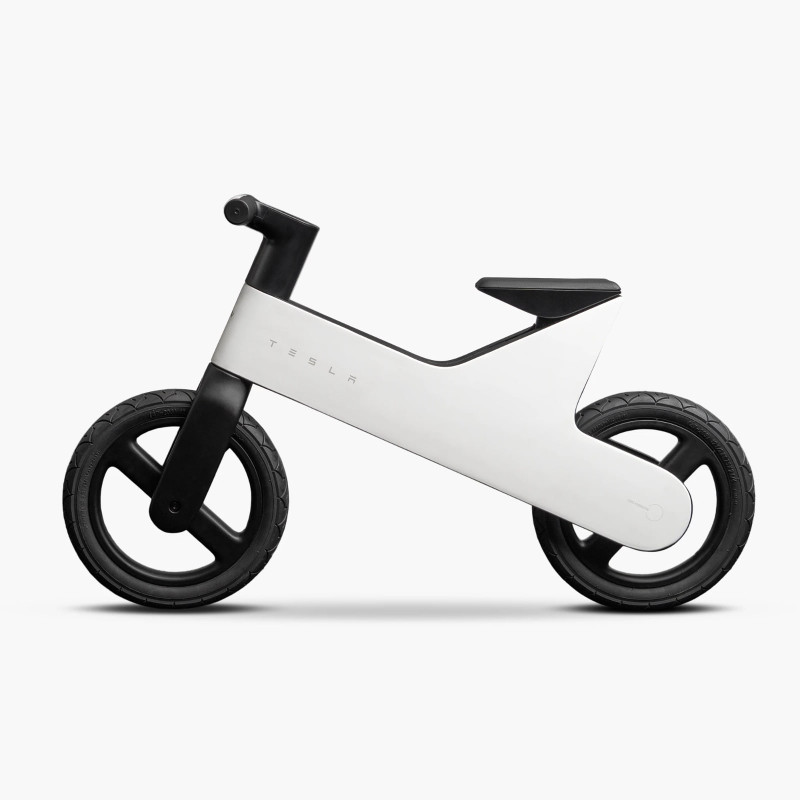
Tesla Launches Electric Cybertruck Replica for Kids in the US
Tesla introduces its scaled-down Cybertruck for children aged 6 to 12, an electric vehicle priced at USD 1,500, currently exclusive to the US market.
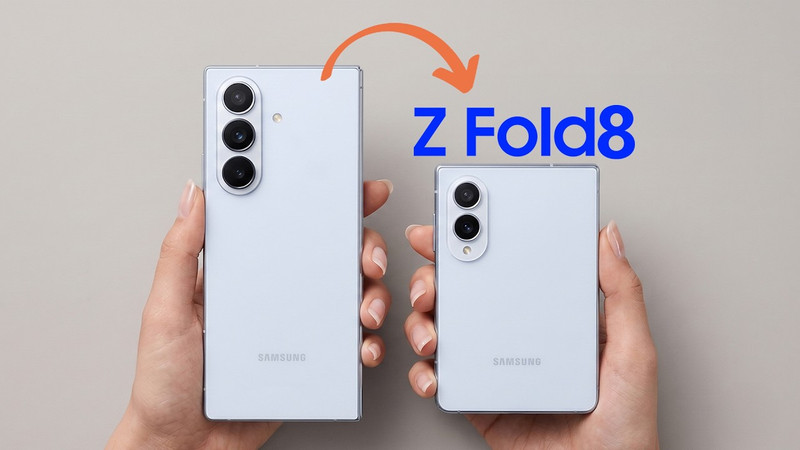
Samsung Galaxy Z Fold 8: "Passport" Design and Specs Leaked
Samsung's upcoming foldable, the Galaxy Z Fold 8, has been fully leaked, revealing a more square design and details on its displays, processor, and battery ahead of its official July launch.
Latest news
View all
Sweet Interstellar Discovery: Erythrulose Detected in the Milky Way
Scientists from the Spanish Astrobiology Center have for the first time identified a true sugar, erythrulose, in a gas and dust cloud near our galaxy's center. This finding suggests complex molecules can form before stars and planets are born.

Paramount and Warner Bros. Merger Halted by Judge Over Antitrust Concerns
A coalition of 12 states successfully petitioned Judge Araceli Martinez-Olguin to temporarily block the deal, citing fears of higher prices and reduced content.

Assassin's Creed Black Flag Resynced Smashes 3 Million Sales, New Game Plus Announced
Ubisoft's successful re-release of the pirate classic continues to break records, confirming one of the most requested features from the gaming community.
Comments (0)
No comments yet. Be the first!
Only registered readers can comment.