
A Brazilian actigraph monitored astronaut sleep during Artemis II
A device developed at the University of São Paulo tracked circadian rhythms during the lunar mission. The technology has proven valuable for space and public health applications.

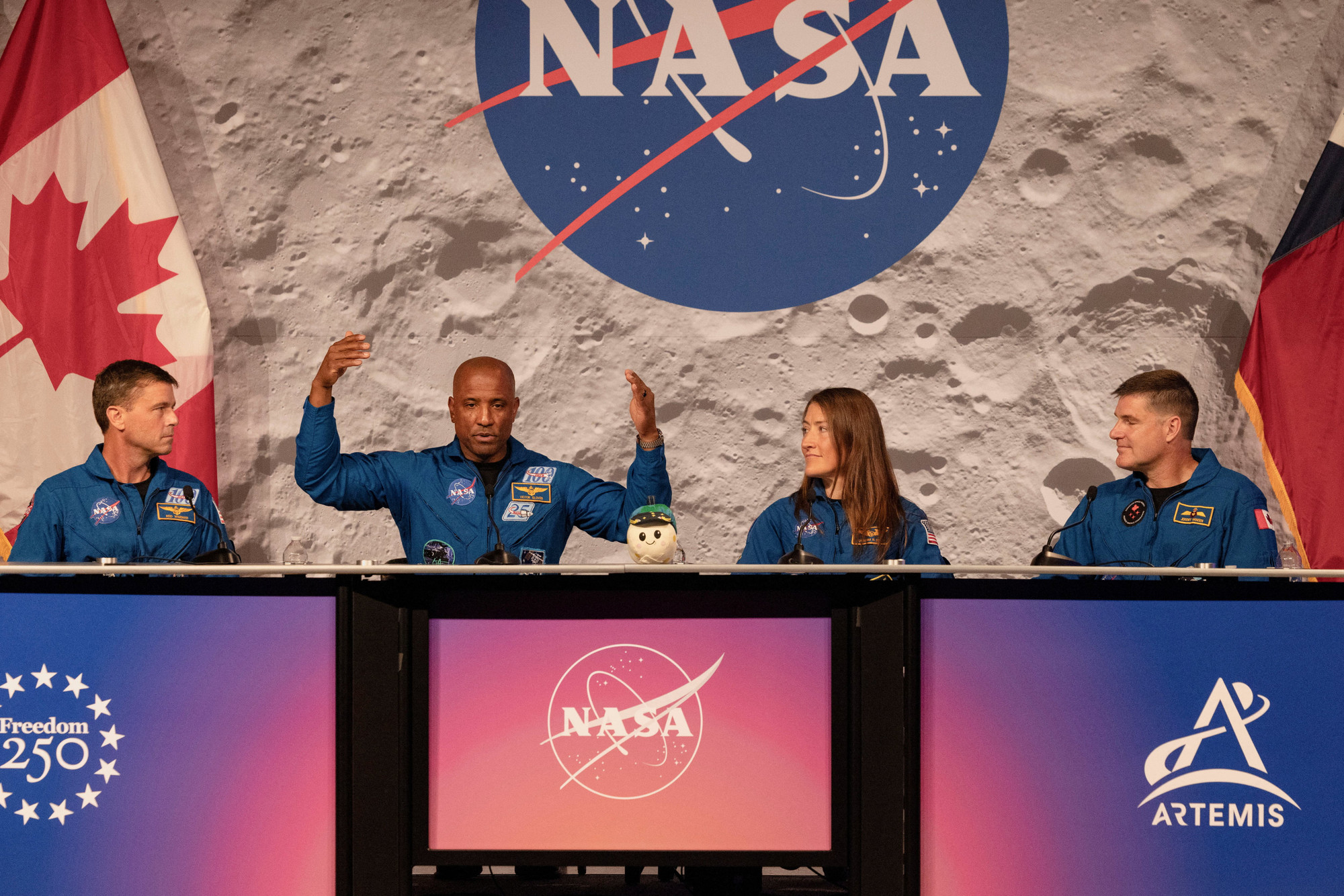
The Artemis II mission, which orbited the Moon in April, relied on a device developed at the University of São Paulo (USP) to monitor astronauts' sleep and biological rhythms. The actigraph provided real-time data on circadian patterns, helping NASA assess how space conditions affect human health and performance.
Worn on the wrist, the actigraph continuously records body movement, physical activity, light exposure, and sleep-wake cycles. Unlike standard trackers, it measures the full light spectrum, including blue light, which plays a key role in regulating circadian rhythms. This feature is crucial in space, where natural day-night cycles don't exist.
Developed under the coordination of professor Mario Pedrazzoli at USP's School of Arts, Sciences and Humanities, the project was funded by Fapesp's Pipe program. Condor Instruments, a local company, handles commercial production. The device is already used in clinical and epidemiological studies on Earth, offering high accuracy at a low cost.
In space missions, continuous monitoring helps prevent sleep disorders, fatigue, and operational errors. "Circadian rhythm control is critical for crew safety and performance", as reported by Exame, which revealed the device's involvement. NASA used the data to adjust lighting schedules, work shifts, and rest periods during the flight.
Beyond space exploration, the actigraph holds promise for public health policies. It enables detailed tracking of sleep habits across populations, supporting interventions in mental health, urban planning, and education. USP highlights its scalability for large-scale studies due to its reliability and affordability.
The inclusion of Brazilian technology in a NASA mission underscores the global impact of academic research. It's not just a tool for astronauts, but a solution with everyday applications. "This device shows how applied science can transcend borders", is one of the key takeaways from the development team.

Keep reading online — scan the code
https://go.tricuatro.com/xWfkO
© tricuatro.com
Article topics
Related articles
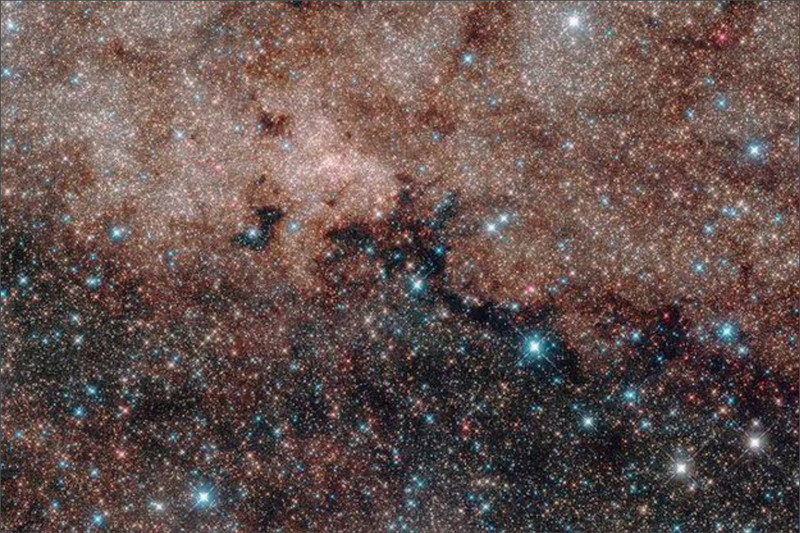
Sweet Interstellar Discovery: Erythrulose Detected in the Milky Way
Scientists from the Spanish Astrobiology Center have for the first time identified a true sugar, erythrulose, in a gas and dust cloud near our galaxy's center. This finding suggests complex molecules can form before stars and planets are born.
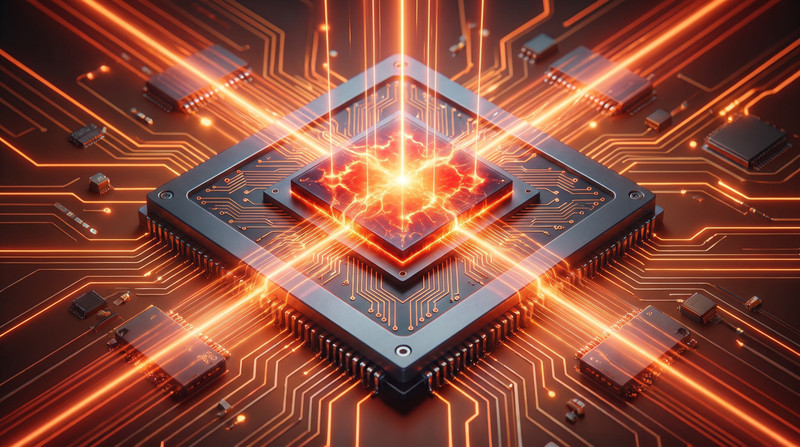
MIT Chip Converts Invisible Infrared Light into Crucial Data
MIT researchers developed an innovative chip detecting methane and propane using mid-infrared light, with potential for millions of pixels and optical computing.
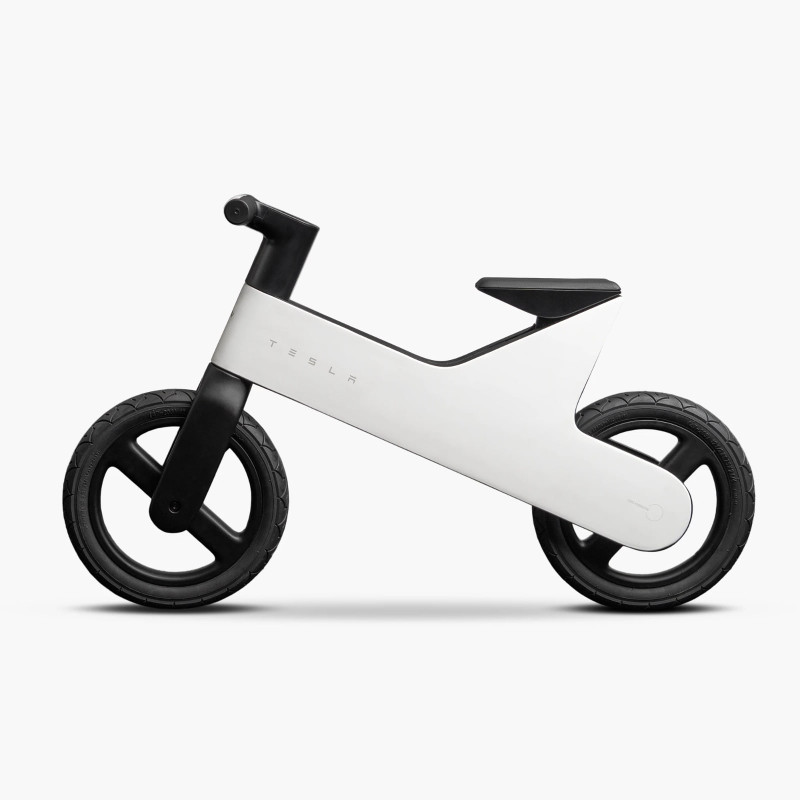
Tesla Launches Electric Cybertruck Replica for Kids in the US
Tesla introduces its scaled-down Cybertruck for children aged 6 to 12, an electric vehicle priced at USD 1,500, currently exclusive to the US market.
Latest news
View all
Paramount and Warner Bros. Merger Halted by Judge Over Antitrust Concerns
A coalition of 12 states successfully petitioned Judge Araceli Martinez-Olguin to temporarily block the deal, citing fears of higher prices and reduced content.

Assassin's Creed Black Flag Resynced Smashes 3 Million Sales, New Game Plus Announced
Ubisoft's successful re-release of the pirate classic continues to break records, confirming one of the most requested features from the gaming community.

TikTok tests AI tool to protect creators from deepfakes
The video platform is rolling out an opt-in feature allowing users to verify their identity and report unauthorized AI-generated likenesses.
Comments (0)
No comments yet. Be the first!
Only registered readers can comment.