
A Spaniard Proposes a New Theory on the Construction of the Great Pyramid of Giza
A recent proposal seeks to shed light on one of ancient engineering's greatest enigmas, suggesting an innovative construction method for the Great Pyramid of Giza.

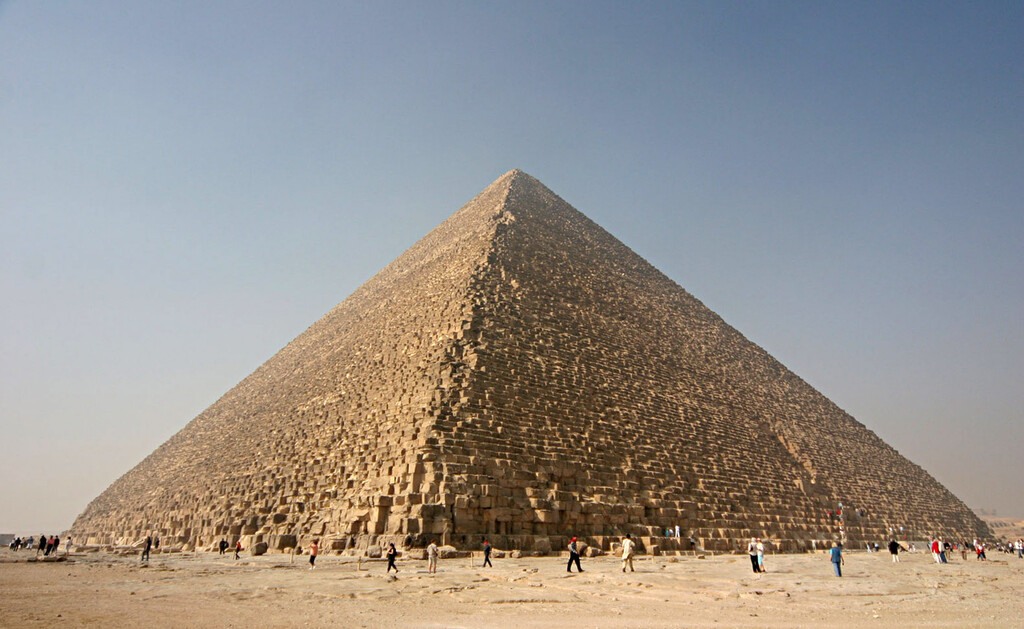
The mystery of how the Great Pyramid of Giza, an architectural marvel of ancient Egypt, was erected has fascinated historians and enthusiasts for centuries. Now, a new theory, presented by a Spaniard, suggests that the answer to this millennia-old enigma might have been hidden in plain sight.
The proposal focuses on a construction method involving integrated ramps, aiming to resolve persistent doubts about the logistics and time required for assembling millions of stone blocks. While the idea of ramps is not new, this theory seeks to refine the details to offer a more plausible explanation.
However, the theory faces skepticism. Critics point out that, even with ramps, placing each block within such a short timeframe remains a considerable logistical challenge. The issue of time, a crucial factor in the construction of these monumental structures, remains a central point of debate.
Another questioned aspect is the stability of the proposed ramps. The theory's sketches suggest the use of wooden beams to support the ramp structure at the pyramid's edge. The feasibility of these beams bearing the immense weight of the blocks as the pyramid grows taller is a weak point for many experts.
The placement of the blocks themselves presents a puzzle. The theory must explain how massive blocks are positioned horizontally on an inclined surface, a challenge that, according to some, paper (or digital simulations) may not accurately reflect.
To validate these hypotheses, it is considered essential to conduct scaled simulations using materials and blocks similar in size to those used in antiquity. Practical demonstration would be the decisive factor in determining the viability of the proposed theory.
This new perspective adds to a long history of theories about pyramid construction, from external and internal ramps to the use of levers and pulley systems. Each proposal attempts to unravel the secrets of a civilization that mastered engineering on an astonishing scale.
The discussion surrounding the construction of the Great Pyramid of Giza continues, driven by human curiosity and the desire to understand the achievements of our ancestors. While this new theory still needs to undergo rigorous analysis, it adds another layer to the fascinating puzzle of ancient Egyptian engineering.
Keep reading online — scan the code
https://go.tricuatro.com/oI901
© tricuatro.com
Related articles

Sweet Interstellar Discovery: Erythrulose Detected in the Milky Way
Scientists from the Spanish Astrobiology Center have for the first time identified a true sugar, erythrulose, in a gas and dust cloud near our galaxy's center. This finding suggests complex molecules can form before stars and planets are born.
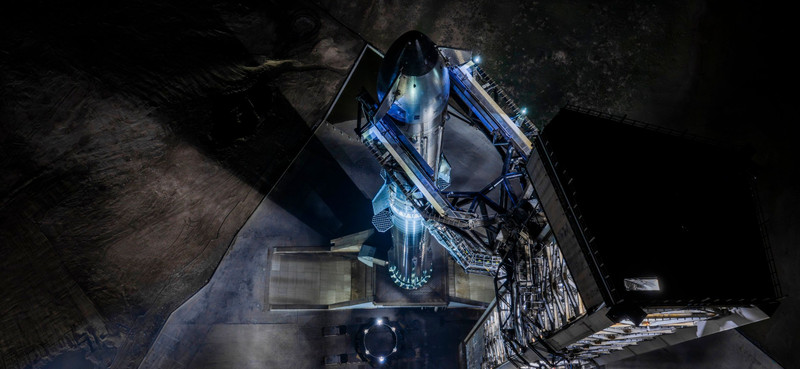
SpaceX Scrubs Starship Test Flight in South Texas
Computer systems detected an anomaly during the Super Heavy booster's engine startup sequence, forcing the mission's abort.

JAXA's RV-X Reusable Rocket Successfully Completes First Flight
Japan's space agency JAXA successfully tested its RV-X prototype, a critical step towards reducing costs and boosting competitiveness in the global space market.
Latest news
View all
Paramount and Warner Bros. Merger Halted by Judge Over Antitrust Concerns
A coalition of 12 states successfully petitioned Judge Araceli Martinez-Olguin to temporarily block the deal, citing fears of higher prices and reduced content.

MIT Chip Converts Invisible Infrared Light into Crucial Data
MIT researchers developed an innovative chip detecting methane and propane using mid-infrared light, with potential for millions of pixels and optical computing.

Assassin's Creed Black Flag Resynced Smashes 3 Million Sales, New Game Plus Announced
Ubisoft's successful re-release of the pirate classic continues to break records, confirming one of the most requested features from the gaming community.
Comments (0)
No comments yet. Be the first!
Only registered readers can comment.