
Asthma Drug Halts Tumor Growth, Reprograms Immune Cells in Mice
Montelukast, an FDA-approved medication, showed promise in blocking a molecule tumors use to evade the immune system, paving a fast track to human clinical trials.

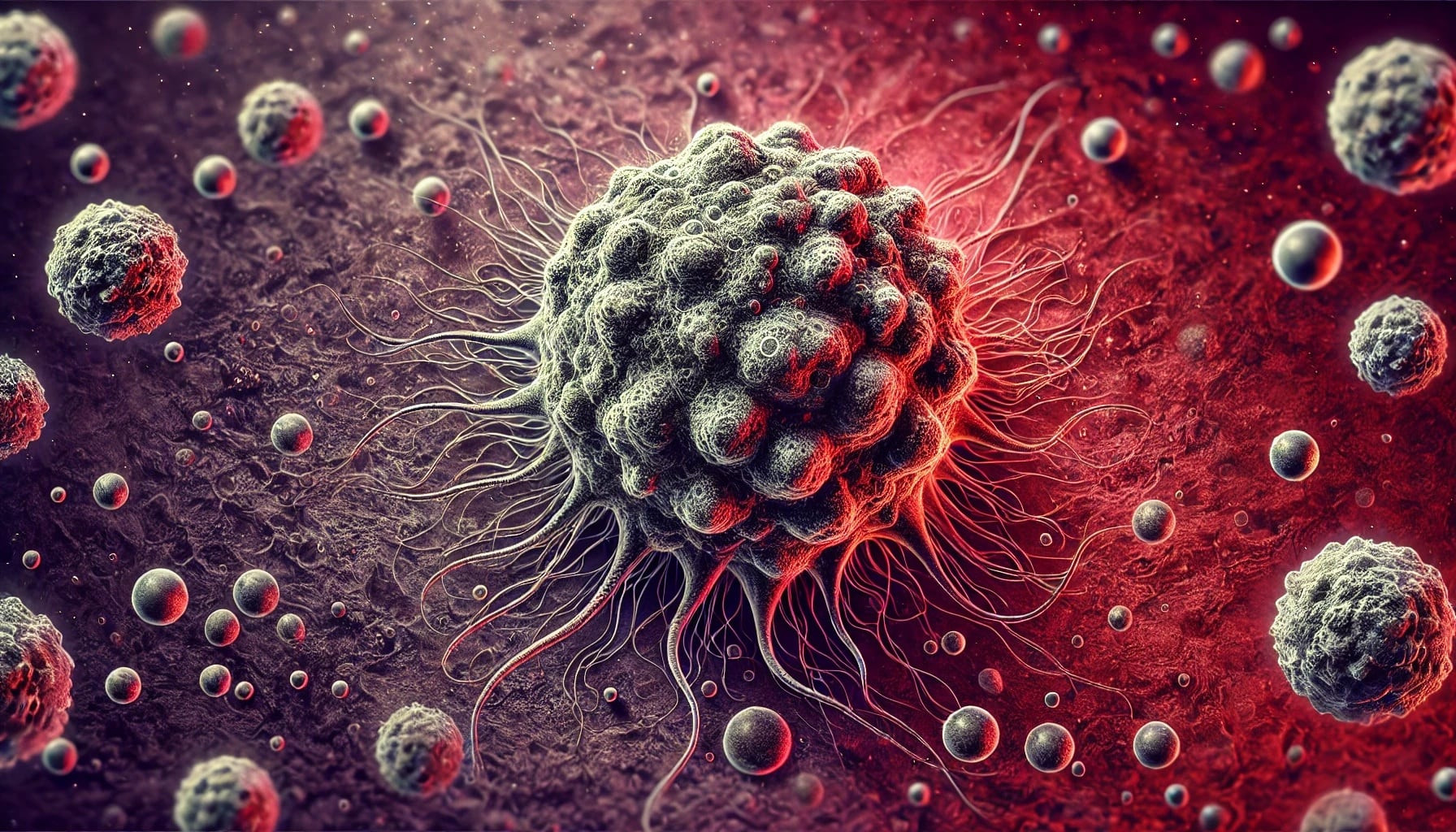
An FDA-approved drug, montelukast, has demonstrated the ability to curb tumor growth and reprogram immune cells to fight cancer in mouse studies. This breakthrough opens the door to human clinical trials that could begin soon. For decades, montelukast has been prescribed for asthma and allergies, but it has now revealed an unexpected mechanism that could redefine the approach to combating various cancer types.
The core of this discovery lies in a molecule known as CysLTR1. Researchers found that certain tumors exploit this molecule to deceive the immune system, allowing them to proliferate undetected by the body. Montelukast, which traditionally blocks CysLTR1 to alleviate asthma and allergy symptoms, proved equally effective in this novel oncological context.
Our immune system is designed to identify and eliminate threats, including cancerous cells. However, some tumors have developed sophisticated strategies to neutralize these defenses. They activate the CysLTR1 molecule, which acts like a switch, transforming neutrophils—a type of white blood cell—from tumor attackers into tumor protectors.
Dr. Bin Zhang, a Professor of Cancer Immunology at Northwestern University, led the team that tested what would happen by "turning off" this switch in mouse models. The results were clear: not only did tumor growth slow down, but the immune system regained its ability to fight cancer. This finding is particularly exciting because montelukast didn't just stop the neutrophils protecting the tumor; it reprogrammed them, converting them back into cells that recognize and attack cancer.
We are not just attacking cancer; we are retraining an abundant type of immune cell in the body to fight the tumor again.
The tests were conducted on mice with five different types of cancer: triple-negative breast cancer, melanoma, ovarian, colon, and prostate cancer. In several of these models—though not all—blocking CysLTR1 with montelukast halted tumor growth, improved survival, and, in some instances, restored the response to immunotherapy in tumors that had previously become resistant to such treatment.
Triple-negative breast cancer is one of the most aggressive forms and often responds poorly to conventional treatments and even to immunotherapy, which has otherwise revolutionized oncology in the last decade. Therefore, the results achieved with montelukast in this cancer type generate considerable anticipation among specialists, albeit with the necessary caution that findings in mice must be confirmed in humans.
To further support the animal studies, researchers analyzed human tumor samples and public databases containing information from thousands of patients. These data revealed a clear pattern: individuals with higher CysLTR1 activity tended to have lower survival rates and a poorer response to immunotherapy across various cancer types, underscoring the mechanism's broad relevance.
Montelukast's significant advantage is its established history. With existing FDA approval and decades of human use for asthma and allergies, its safety profile is well-understood. This considerably shortens the path to clinical trials, allowing for a faster transition from laboratory research to patient application. Dr. Zhang emphasized the urgency: “We could quickly and safely test it in cancer patients to improve immunotherapy, especially in aggressive cancers like triple-negative breast cancer, where new options are urgently needed.”
The next steps for this promising research, funded by the National Cancer Institute and the National Institutes of Health of the United States, involve confirming the mechanism in real patients, identifying which profiles will benefit most, and designing clinical trials that combine montelukast with immunotherapy, potentially marking a significant milestone in cancer treatment strategies.
Keep reading online — scan the code
https://go.tricuatro.com/Kah4m
© tricuatro.com
Article topics
Related articles
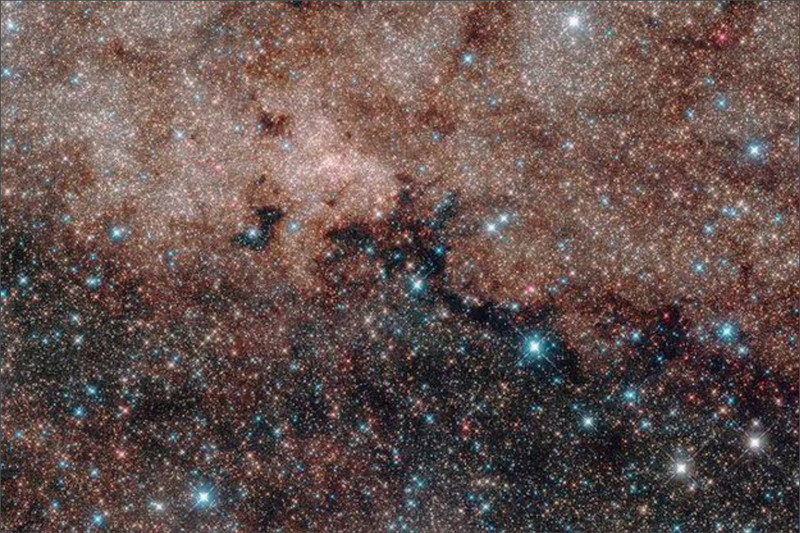
Sweet Interstellar Discovery: Erythrulose Detected in the Milky Way
Scientists from the Spanish Astrobiology Center have for the first time identified a true sugar, erythrulose, in a gas and dust cloud near our galaxy's center. This finding suggests complex molecules can form before stars and planets are born.
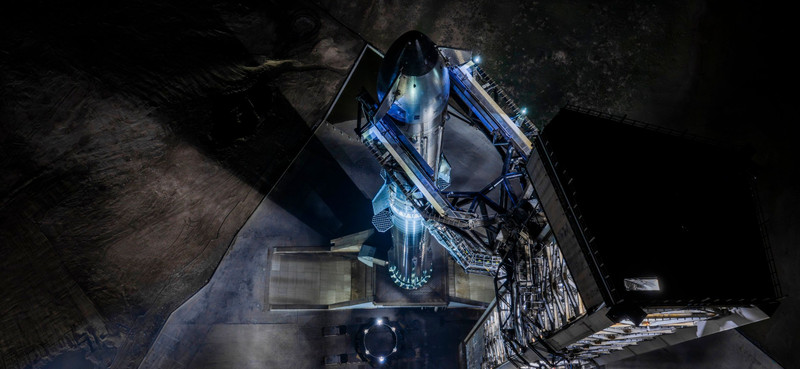
SpaceX Scrubs Starship Test Flight in South Texas
Computer systems detected an anomaly during the Super Heavy booster's engine startup sequence, forcing the mission's abort.

JAXA's RV-X Reusable Rocket Successfully Completes First Flight
Japan's space agency JAXA successfully tested its RV-X prototype, a critical step towards reducing costs and boosting competitiveness in the global space market.
Latest news
View all
Paramount and Warner Bros. Merger Halted by Judge Over Antitrust Concerns
A coalition of 12 states successfully petitioned Judge Araceli Martinez-Olguin to temporarily block the deal, citing fears of higher prices and reduced content.

MIT Chip Converts Invisible Infrared Light into Crucial Data
MIT researchers developed an innovative chip detecting methane and propane using mid-infrared light, with potential for millions of pixels and optical computing.

Assassin's Creed Black Flag Resynced Smashes 3 Million Sales, New Game Plus Announced
Ubisoft's successful re-release of the pirate classic continues to break records, confirming one of the most requested features from the gaming community.
Comments (0)
No comments yet. Be the first!
Only registered readers can comment.