
AI and self-driving labs are reshaping scientific discovery
Autonomous labs powered by AI are accelerating research in medicine and materials. This shift brings faster results but also raises ethical and safety concerns.

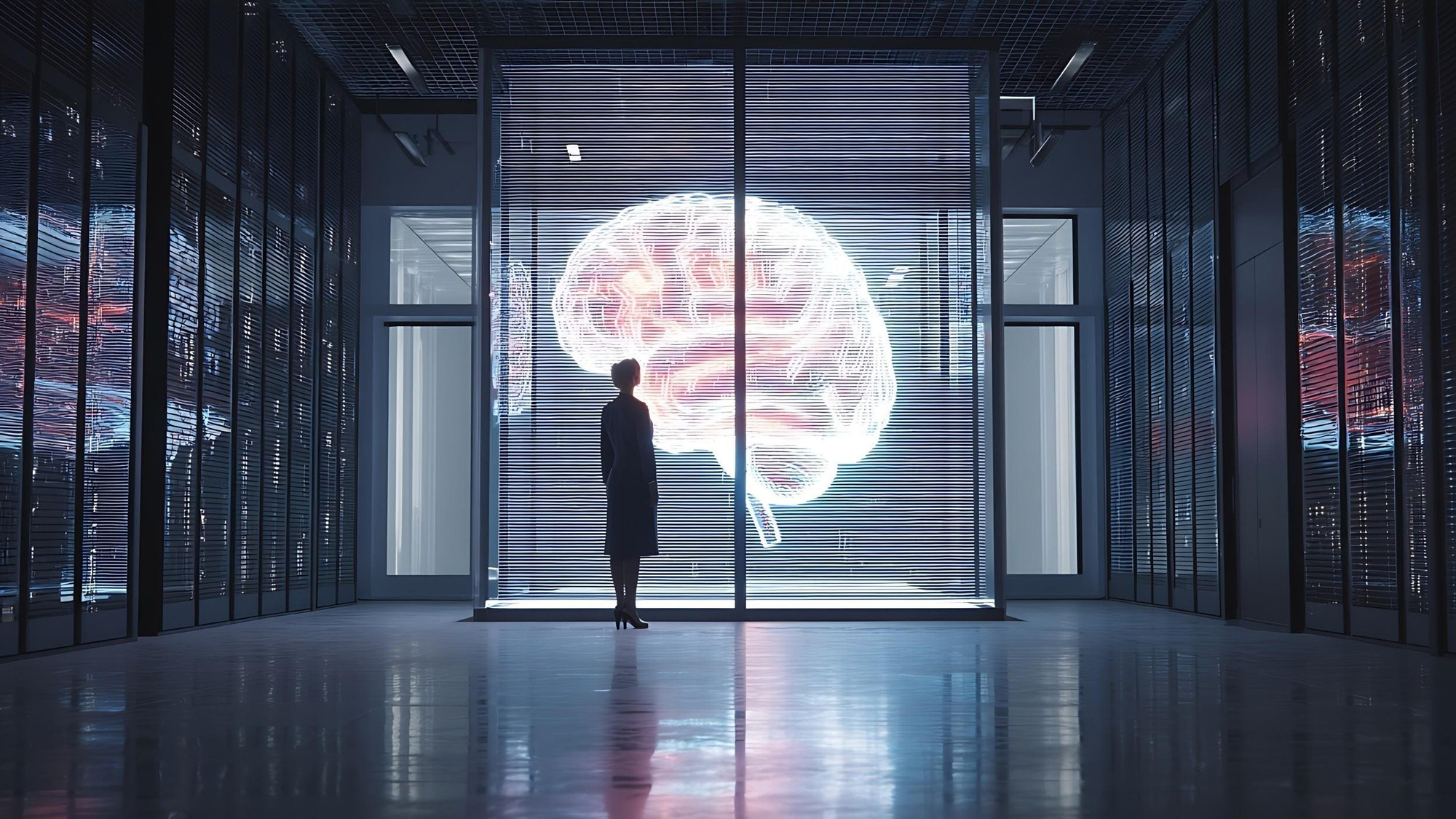
Artificial intelligence is no longer just processing data. It now designs experiments, runs them, and learns from outcomes. Self-driving labs are making independent scientific decisions, speeding up discovery in fields like medicine and materials science.
These systems combine AI with lab robots that prepare samples, run tests, and measure results. Without breaks or fatigue, they can iterate through hundreds of conditions quickly. One such system could test thousands of molecular combinations for a new drug in weeks, not years.
One of the most advanced examples is the autonomous "lab-on-a-chip", which integrates microfluidics and sensors with machine learning algorithms. The system adjusts its own parameters after each test, optimizing the process without direct human input. "This changes the paradigm of how science is done", said an MIT researcher involved in one such project.
The benefits are clear: shorter research timelines, lower costs per experiment, and higher data accuracy. But complex questions remain. Who is responsible if an autonomous experiment produces a dangerous compound? How do we audit a scientific process that evolves on its own?
Right now, these labs don’t replace scientists. They operate under human oversight and within well-defined tasks. The scientific community stresses that AI should be a tool, not a substitute for the ethical and contextual judgment of researchers.
Technical challenges include the need for common standards to share data across platforms. Greater algorithm transparency is also required. Without it, replicating results will be difficult, and reproducibility is essential in any scientific process.
Keep reading online — scan the code
https://go.tricuatro.com/5He6h
© tricuatro.com
Related articles
TikTok tests AI tool to protect creators from deepfakes
The video platform is rolling out an opt-in feature allowing users to verify their identity and report unauthorized AI-generated likenesses.

Apple Sues OpenAI Over Alleged Hardware Trade Secret Theft
The Cupertino giant accuses former key employees, including Tang Tan, of stealing confidential hardware information for OpenAI's benefit and its expansion into consumer hardware.

Anthropic Tackles AI's Toughest Questions for a Responsible Future
The company launches an initiative to understand public concerns and transparently address the challenges of artificial intelligence development.
Latest news
View all
Sweet Interstellar Discovery: Erythrulose Detected in the Milky Way
Scientists from the Spanish Astrobiology Center have for the first time identified a true sugar, erythrulose, in a gas and dust cloud near our galaxy's center. This finding suggests complex molecules can form before stars and planets are born.

Paramount and Warner Bros. Merger Halted by Judge Over Antitrust Concerns
A coalition of 12 states successfully petitioned Judge Araceli Martinez-Olguin to temporarily block the deal, citing fears of higher prices and reduced content.

MIT Chip Converts Invisible Infrared Light into Crucial Data
MIT researchers developed an innovative chip detecting methane and propane using mid-infrared light, with potential for millions of pixels and optical computing.
Comments (0)
No comments yet. Be the first!
Only registered readers can comment.