
AI reshapes warfare in 2026 with autonomous decision-making
Since 2014, military technology has rapidly advanced, with algorithms making decisions in seconds and with minimal human input.

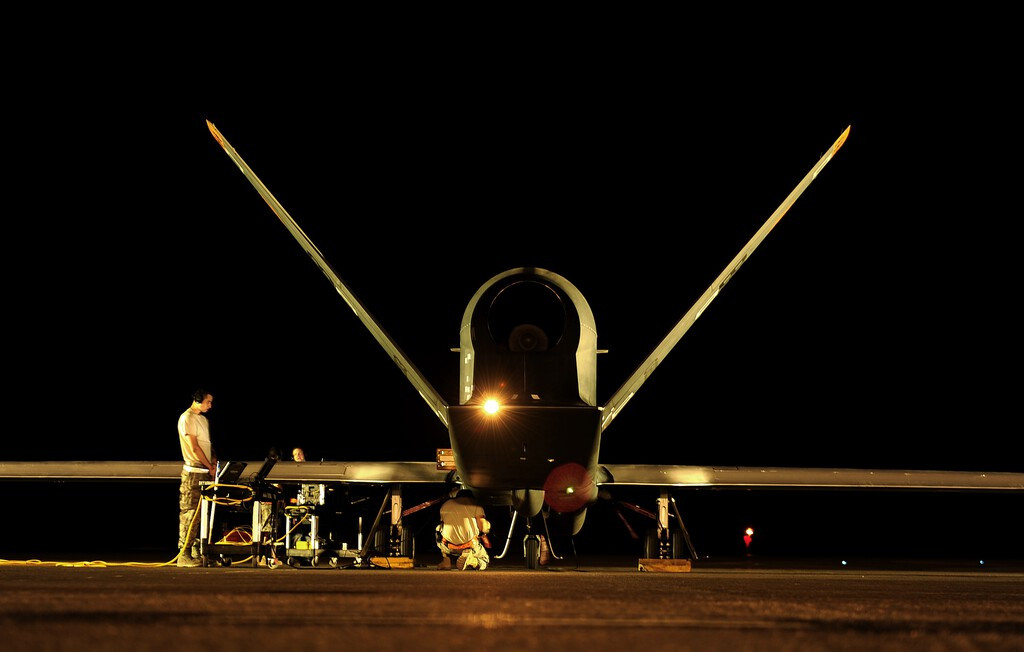
In 2014, Google engineers signed an internal letter protesting the use of their software in Pentagon projects. This action sparked a debate about the ethical limits of the technology they had developed. Nearly ten years later, artificial intelligence (AI) now plays a central role in military systems, accelerating how wars are fought.
Last week, The New York Times reported that modern conflicts are increasingly driven by AI systems that identify targets, recommend attacks, and generate complete plans within seconds. Human intervention has become almost symbolic, limited to selecting options on a screen. Programs like Project Maven, developed by Palantir and integrated with models like Anthropic, demonstrate how decision chains have shrunk. Satellite images, drone data, and intercepted signals are processed automatically to generate target lists and attack solutions.
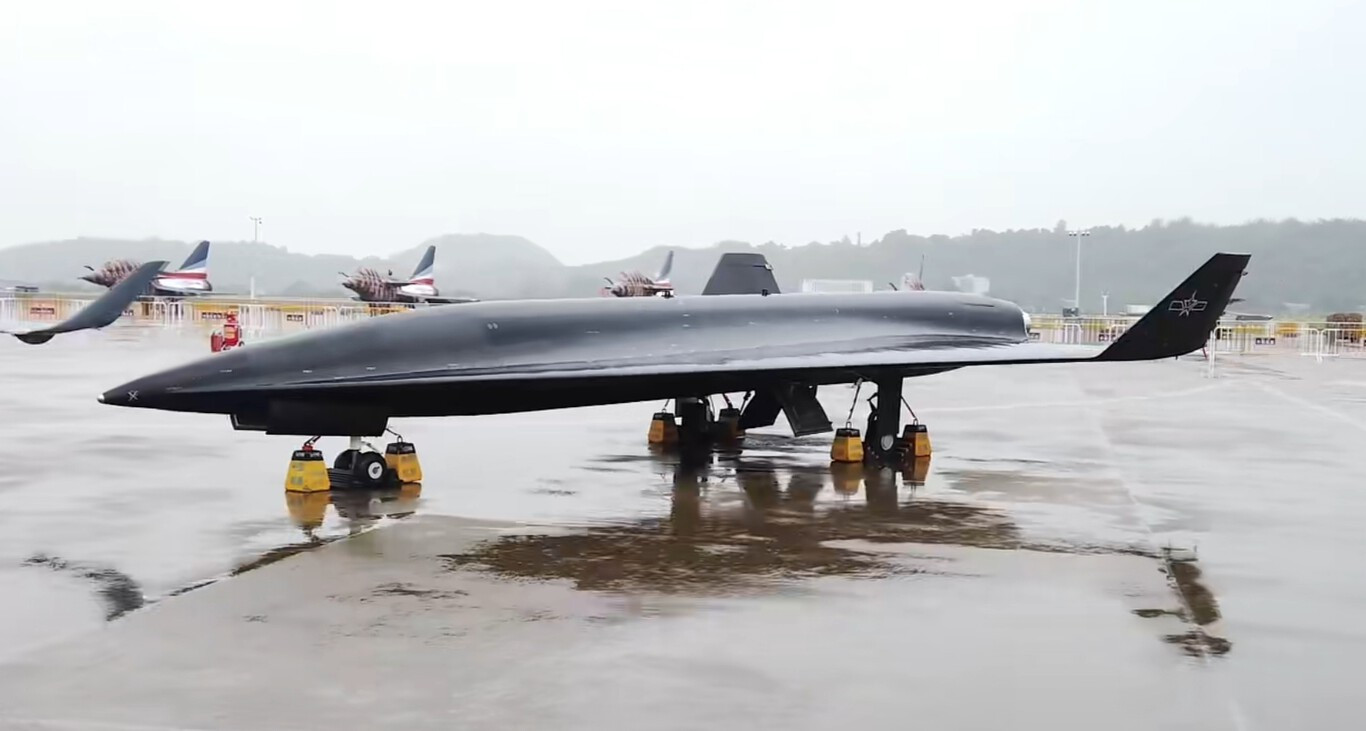
Leading the race for technological dominance are the United States, China, and Russia. China is developing drone swarms coordinated by AI and platforms that operate alongside manned fighters. Russia is investing in drones like Lancet, which are evolving toward autonomous target selection. The US is pushing companies like Anduril to speed up autonomous drone production, where rapid development is crucial.
The Ukraine war has been a turning point, showing that relatively simple systems can quickly evolve into semi-autonomous capabilities. Commercial drones, unmanned vessels, and data analysis tools have helped resist superior adversaries, while Russia incorporates automation into its own combat systems.
Keep reading online — scan the code
https://go.tricuatro.com/PNLkR
© tricuatro.com
Related articles

TikTok tests AI tool to protect creators from deepfakes
The video platform is rolling out an opt-in feature allowing users to verify their identity and report unauthorized AI-generated likenesses.

Apple Sues OpenAI Over Alleged Hardware Trade Secret Theft
The Cupertino giant accuses former key employees, including Tang Tan, of stealing confidential hardware information for OpenAI's benefit and its expansion into consumer hardware.

Anthropic Tackles AI's Toughest Questions for a Responsible Future
The company launches an initiative to understand public concerns and transparently address the challenges of artificial intelligence development.
Latest news
View all
Sweet Interstellar Discovery: Erythrulose Detected in the Milky Way
Scientists from the Spanish Astrobiology Center have for the first time identified a true sugar, erythrulose, in a gas and dust cloud near our galaxy's center. This finding suggests complex molecules can form before stars and planets are born.

Paramount and Warner Bros. Merger Halted by Judge Over Antitrust Concerns
A coalition of 12 states successfully petitioned Judge Araceli Martinez-Olguin to temporarily block the deal, citing fears of higher prices and reduced content.

MIT Chip Converts Invisible Infrared Light into Crucial Data
MIT researchers developed an innovative chip detecting methane and propane using mid-infrared light, with potential for millions of pixels and optical computing.
Comments (0)
No comments yet. Be the first!
Only registered readers can comment.