
Anthropic CEO Meets Trump Officials to Discuss Mythos AI Access
The White House called a recent meeting with Anthropic CEO Dario Amodei "productive" as the Trump administration seeks wider access to its powerful Mythos AI model. The company also champions "responsible AI" with a significant political donation.

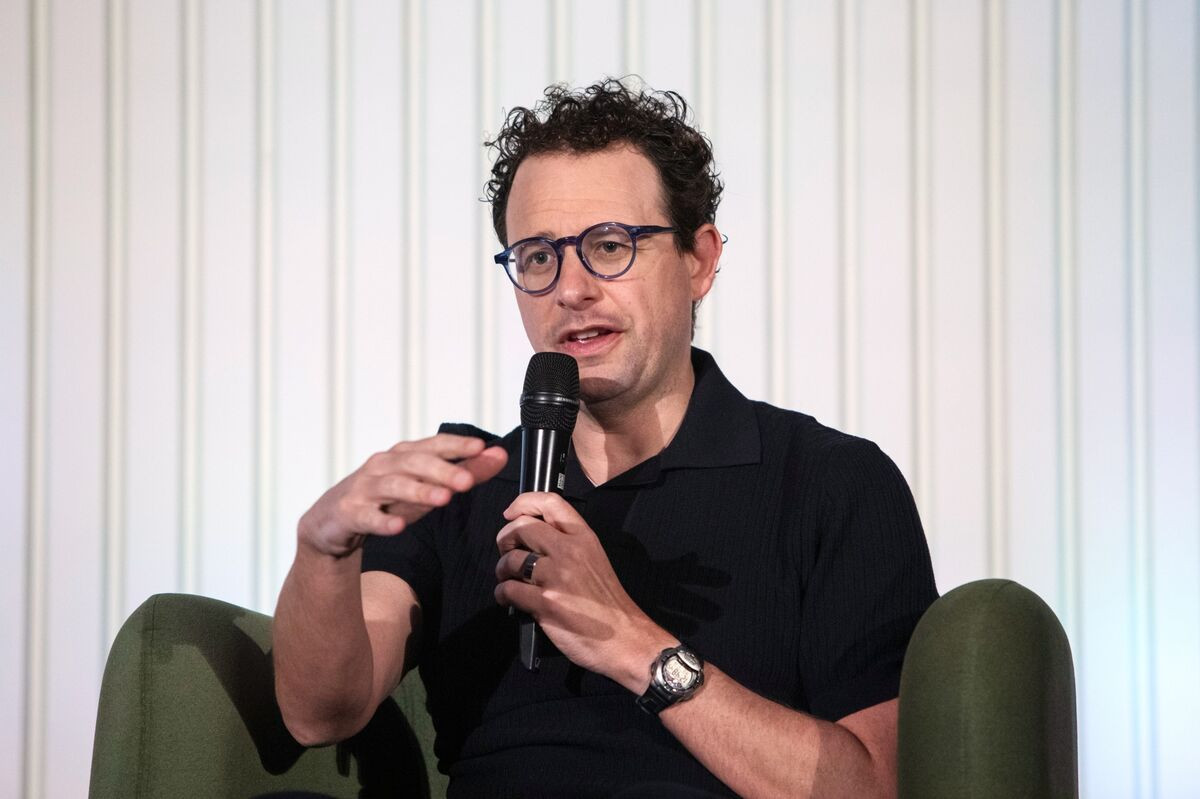
The White House recently hosted a pivotal meeting between Anthropic PBC Chief Executive Officer Dario Amodei and officials who served in the Trump administration. This discussion, described as "productive and constructive," focused on securing wider access to Anthropic's powerful new "Mythos" artificial intelligence model. The engagement highlights the increasing importance of AI on the governmental agenda and the need for frameworks governing its safe and effective deployment.
"Mythos" stands as one of the most advanced AI models available, developed by Anthropic, a leading company in the artificial intelligence sector. Its capability to process complex information and generate sophisticated responses makes it a highly sought-after tool for various applications, including those within government. Anthropic has consistently advocated for "responsible AI," aiming to balance innovation with safety and ethical considerations.
Furthering its commitment to "responsible AI," Anthropic PBC announced a substantial donation of $20 million to Public First. This political advocacy group supports congressional candidates who favor clear safety rules for artificial intelligence. The initiative aims to bolster Anthropic's fight for ethical AI development as Silicon Valley money increasingly influences congressional races across the US. This donation was unveiled during the company’s Builder Summit in Bengaluru, India, on February 16, 2026.
The interaction between tech giants like Anthropic and government bodies is crucial for the future trajectory of AI. It involves not only access to potent technological tools but also the shaping of policies that will govern their development and use. The pursuit of "wider access" to "Mythos" by government officials underscores AI's strategic relevance for national security and public sector efficiency.
This evolving landscape demonstrates the growing intersection of technology and politics. Anthropic's investment in promoting "responsible AI" through political donations represents a clear strategic move. They aim to influence legislation, ensuring AI advancements proceed under robust ethical and safety principles. The tech community and the public must closely monitor these significant developments!
Keep reading online — scan the code
https://go.tricuatro.com/bANr4
© tricuatro.com
Article topics
Related articles

TikTok tests AI tool to protect creators from deepfakes
The video platform is rolling out an opt-in feature allowing users to verify their identity and report unauthorized AI-generated likenesses.

Apple Sues OpenAI Over Alleged Hardware Trade Secret Theft
The Cupertino giant accuses former key employees, including Tang Tan, of stealing confidential hardware information for OpenAI's benefit and its expansion into consumer hardware.

Anthropic Tackles AI's Toughest Questions for a Responsible Future
The company launches an initiative to understand public concerns and transparently address the challenges of artificial intelligence development.
Latest news
View all
Sweet Interstellar Discovery: Erythrulose Detected in the Milky Way
Scientists from the Spanish Astrobiology Center have for the first time identified a true sugar, erythrulose, in a gas and dust cloud near our galaxy's center. This finding suggests complex molecules can form before stars and planets are born.

Paramount and Warner Bros. Merger Halted by Judge Over Antitrust Concerns
A coalition of 12 states successfully petitioned Judge Araceli Martinez-Olguin to temporarily block the deal, citing fears of higher prices and reduced content.

MIT Chip Converts Invisible Infrared Light into Crucial Data
MIT researchers developed an innovative chip detecting methane and propane using mid-infrared light, with potential for millions of pixels and optical computing.
Comments (0)
No comments yet. Be the first!
Only registered readers can comment.