
Apple Intelligence in iOS 27: Four Key Features Set to Transform Your iPhone
Internal code leaks reveal how Apple's artificial intelligence will integrate deeper into daily tasks, from health tracking to digital organization.

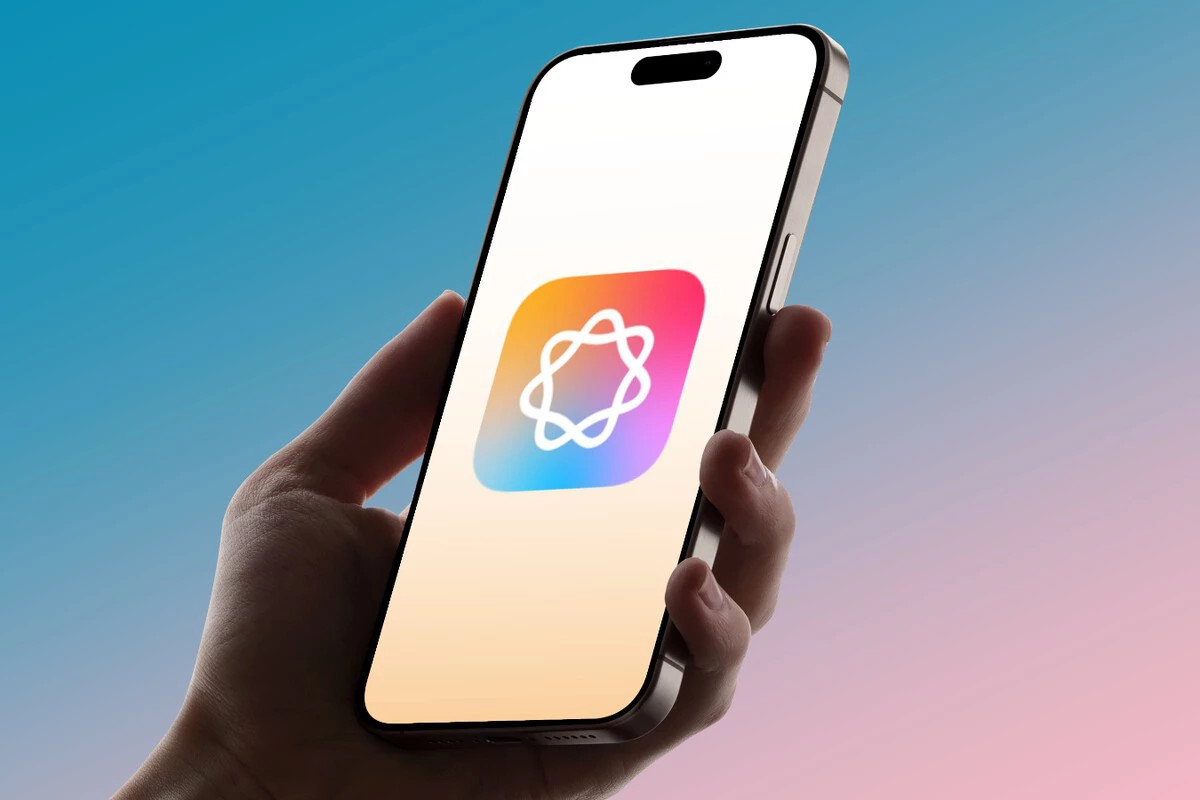
Apple is preparing a significant evolution for its artificial intelligence system with the arrival of iOS 27. Internal code leaks, detected by developer Nicolás Álvarez and verified by MacRumors, reveal at least four key functions. These new features promise to transform how users interact with their iPhone, integrating AI more deeply into daily life. The company is moving towards a more intuitive and automated experience.
Two of these capabilities focus on "Visual Intelligence," the tool allowing the iPhone camera to interpret its surroundings. One feature will enable scanning nutritional labels from products. This information will integrate directly into the Health app, simplifying dietary tracking.
The other "Visual Intelligence" function will allow automatic recognition of phone numbers and printed addresses. Users can simply point their camera at a document. The system will add this data directly to contacts, eliminating the need for manual typing. The iPhone will not only capture images but also understand useful information in real-time.
A third new feature targets the Apple Wallet application. Artificial intelligence will automatically generate digital passes. This will happen from scanned physical documents, such as concert tickets or membership cards. This change will streamline common processes, reducing friction in daily device usage.
The fourth function focuses on the Safari browser. Here, artificial intelligence will automatically name tab groups. It will do so based on the content of each group. While a more subtle enhancement, it aims to automate small, repetitive tasks. This positively impacts user organization and productivity.
These functions do not appear in isolation. They form part of a larger Apple strategy. The company aims for artificial intelligence to no longer be perceived as a separate tool. Instead, it will integrate naturally into the operating system.
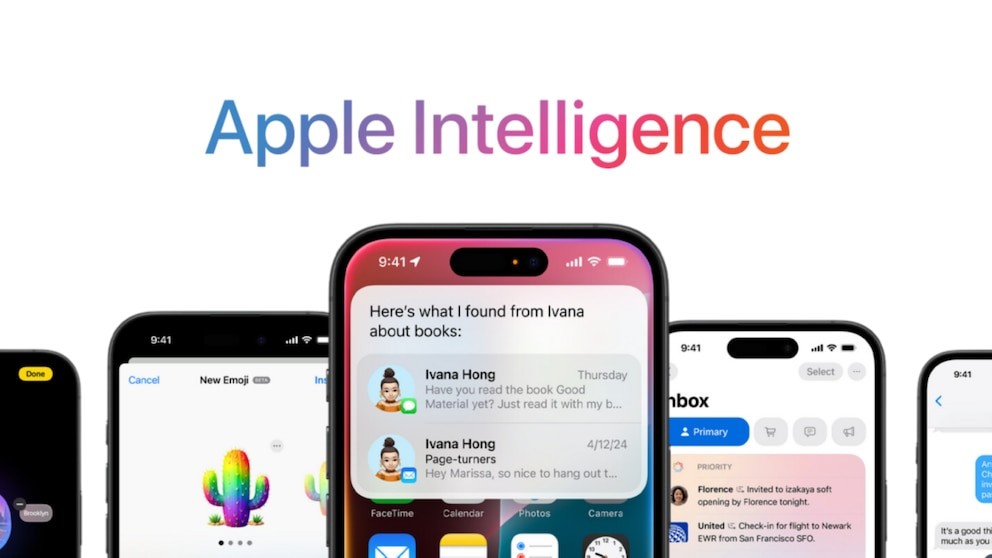
Within this context, a significant evolution for Siri is expected. In iOS 27, the assistant could integrate more deeply with system applications. This would allow executing complex actions without multiple commands, moving towards a more conversational model. These advancements coincide with rumors about future devices with integrated vision capabilities, such as smart glasses. The future of iPhone interaction looks incredibly promising!
Keep reading online — scan the code
https://go.tricuatro.com/TYNdz
© tricuatro.com
Article topics
Related articles

TikTok tests AI tool to protect creators from deepfakes
The video platform is rolling out an opt-in feature allowing users to verify their identity and report unauthorized AI-generated likenesses.
Apple Sues OpenAI Over Alleged Hardware Trade Secret Theft
The Cupertino giant accuses former key employees, including Tang Tan, of stealing confidential hardware information for OpenAI's benefit and its expansion into consumer hardware.

Anthropic Tackles AI's Toughest Questions for a Responsible Future
The company launches an initiative to understand public concerns and transparently address the challenges of artificial intelligence development.
Latest news
View all
Sweet Interstellar Discovery: Erythrulose Detected in the Milky Way
Scientists from the Spanish Astrobiology Center have for the first time identified a true sugar, erythrulose, in a gas and dust cloud near our galaxy's center. This finding suggests complex molecules can form before stars and planets are born.

Paramount and Warner Bros. Merger Halted by Judge Over Antitrust Concerns
A coalition of 12 states successfully petitioned Judge Araceli Martinez-Olguin to temporarily block the deal, citing fears of higher prices and reduced content.
MIT Chip Converts Invisible Infrared Light into Crucial Data
MIT researchers developed an innovative chip detecting methane and propane using mid-infrared light, with potential for millions of pixels and optical computing.
Comments (0)
No comments yet. Be the first!
Only registered readers can comment.