
Artemis II: how eight explosions ensured safe return to Earth
The Artemis II astronauts heard eight critical detonations during reentry. Each one adjusted Orion's trajectory for a safe landing back on Earth.


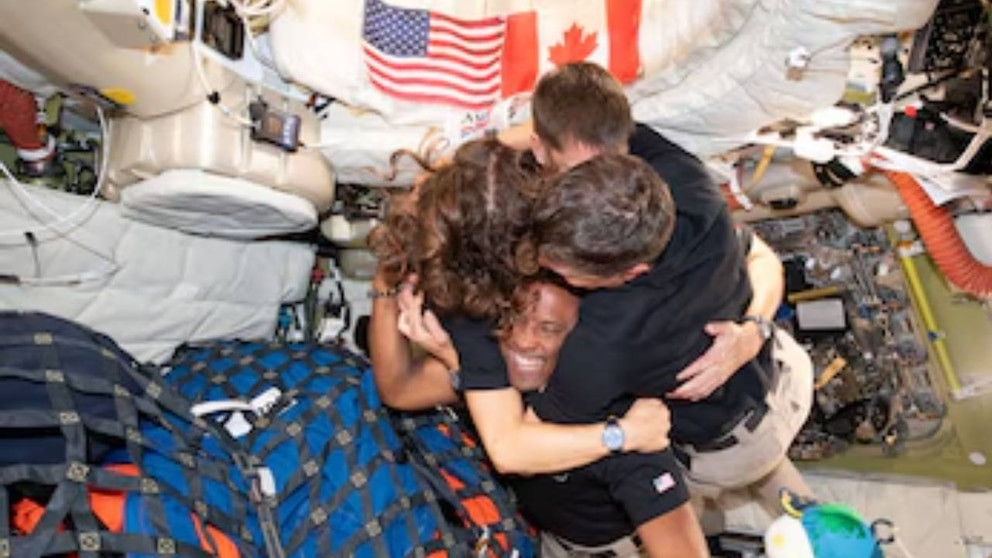
NASA's Artemis II mission ended successfully thanks to eight controlled explosions that fine-tuned the Orion capsule's trajectory during atmospheric reentry. Astronauts Reid Wiseman, Christina Koch, Victor Glover, and Jeremy Hansen completed this milestone after a lunar flyby, proving vital systems for future crewed missions.
These explosions were not accidents but precise firings of thrusters on the crew module and the European Service Module (ESM). The system, developed with the European Space Agency (ESA), triggered a sequence of impulses to correct the capsule's atmospheric entry angle. A margin of just 0.7 degrees separated success from catastrophic failure.
The ideal reentry angle was 6.2 degrees. Too steep, and the capsule would face extreme heat capable of destroying it. Too shallow, and it would bounce off the atmosphere like a stone on water. The eight impulses ensured Orion entered precisely within this narrow window.
The thrusters use liquid fuel that, when burned, expels gas at high speed. This creates thrust in the opposite direction, according to Newton's third law. The main AJ10 engine handles large maneuvers, while smaller reaction control system (RCS) thrusters make fine adjustments like those in Artemis II.
Inside Orion, astronauts heard the impulses as sharp knocks on the hull. "That was incredible," said Christina Koch. "That was good. Everything is fine. Pressure is correct," added Victor Glover. The sound was the physical confirmation that systems were working as planned.
The mission launched from Kennedy Space Center in Florida using the Space Launch System (SLS) rocket. Its path followed a free-return trajectory, using lunar and Earth gravity. But without those eight impulses, a safe return would not have been possible.
Keep reading online — scan the code
https://go.tricuatro.com/jn94t
© tricuatro.com
Article topics
Related articles
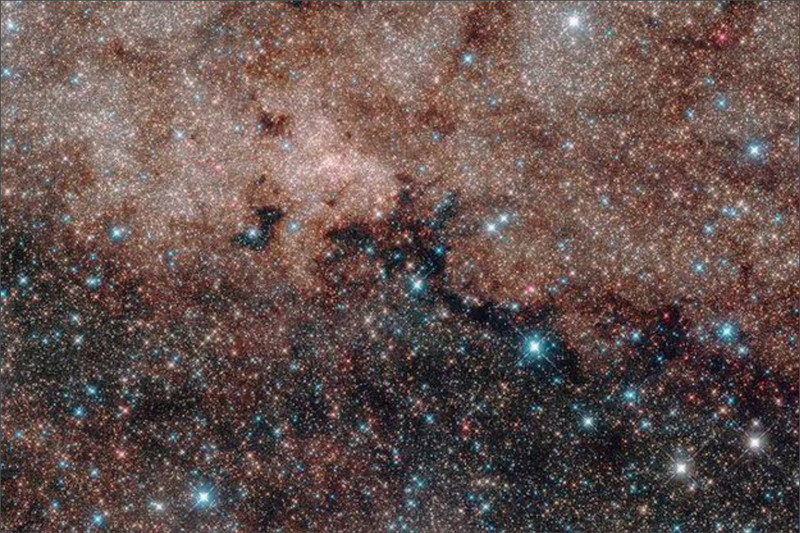
Sweet Interstellar Discovery: Erythrulose Detected in the Milky Way
Scientists from the Spanish Astrobiology Center have for the first time identified a true sugar, erythrulose, in a gas and dust cloud near our galaxy's center. This finding suggests complex molecules can form before stars and planets are born.
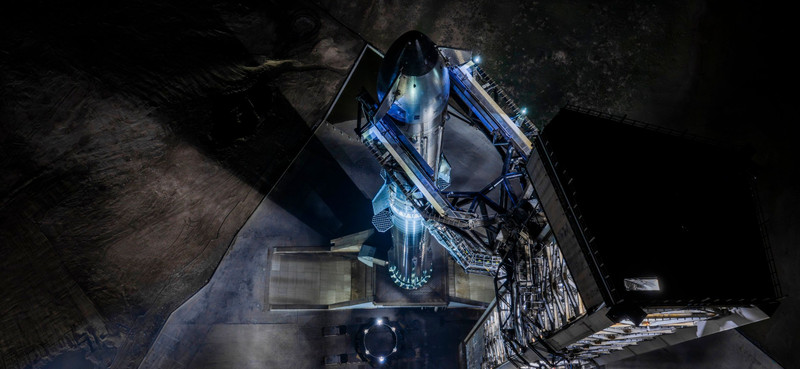
SpaceX Scrubs Starship Test Flight in South Texas
Computer systems detected an anomaly during the Super Heavy booster's engine startup sequence, forcing the mission's abort.
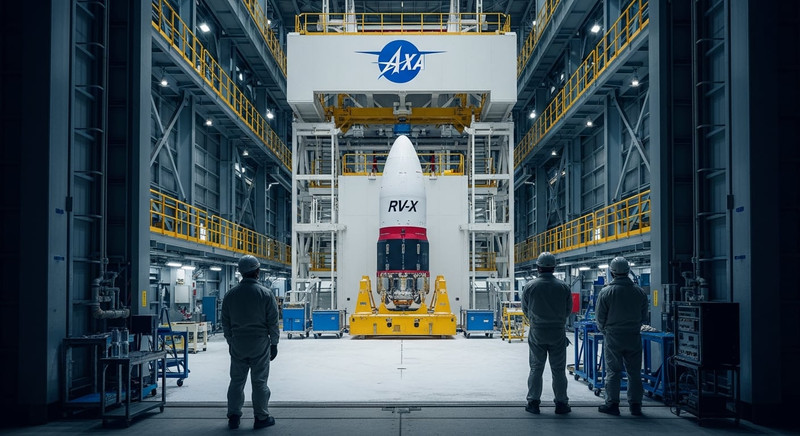
JAXA's RV-X Reusable Rocket Successfully Completes First Flight
Japan's space agency JAXA successfully tested its RV-X prototype, a critical step towards reducing costs and boosting competitiveness in the global space market.
Latest news
View all
Paramount and Warner Bros. Merger Halted by Judge Over Antitrust Concerns
A coalition of 12 states successfully petitioned Judge Araceli Martinez-Olguin to temporarily block the deal, citing fears of higher prices and reduced content.
MIT Chip Converts Invisible Infrared Light into Crucial Data
MIT researchers developed an innovative chip detecting methane and propane using mid-infrared light, with potential for millions of pixels and optical computing.

Assassin's Creed Black Flag Resynced Smashes 3 Million Sales, New Game Plus Announced
Ubisoft's successful re-release of the pirate classic continues to break records, confirming one of the most requested features from the gaming community.
Comments (0)
No comments yet. Be the first!
Only registered readers can comment.