
Blue Origin's MK1 Lander Passes NASA Vacuum Test, Advances Lunar Goals
Blue Origin's MK1 lunar lander successfully completed a vacuum chamber test, demonstrating readiness for upcoming lunar missions. The company aims to surpass competitors like SpaceX in lunar exploration.


Blue Origin, the space company founded by Jeff Bezos, has made a significant step toward its lunar exploration ambitions. This week, its MK1 lunar lander underwent testing in NASA's large vacuum chamber, which simulates space conditions. The test confirmed that the module can withstand extreme temperatures and thermal stresses expected during its mission.
The MK1 is a crewless lunar landing vehicle designed to deliver payloads to the Moon's surface. NASA selected it to carry two payloads in 2024: stereoscopic cameras for studying the lunar south pole and a laser retroreflector to assist in orbital measurements. The successful vacuum test indicates that the lander's thermal and structural systems are ready for space deployment.
According to Blue Origin, the test validated the lander's structural integrity and thermal resilience. The vacuum chamber used for testing is 27 meters tall and replicates space conditions, with temperatures ranging from -50ºC to 30ºC. The positive results bolster Blue Origin's position in the lunar race, especially as SpaceX continues developing its own lunar landing system.
Blue Origin plans to develop a crewed version of the lander, called MK2, which will be essential for Artemis missions and commercial lunar services. Lessons learned from the MK1 testing will inform the design and development of MK2, supporting future crewed missions to the Moon.
Meanwhile, SpaceX remains active in developing its lunar landing system, but recent delays and setbacks have allowed Blue Origin to maintain its competitive edge. NASA has stated it will select the most reliable and ready technology for Artemis, keeping both companies in a race to reach the Moon first in the coming years.
Blue Origin's recent success with MK1's testing boosts confidence in its lunar capabilities and raises expectations for upcoming missions. As the space race intensifies, the focus now shifts to which company's module will meet the deadlines and technical requirements for missions scheduled.
Keep reading online — scan the code
https://go.tricuatro.com/0gKmo
© tricuatro.com
Article topics
Related articles
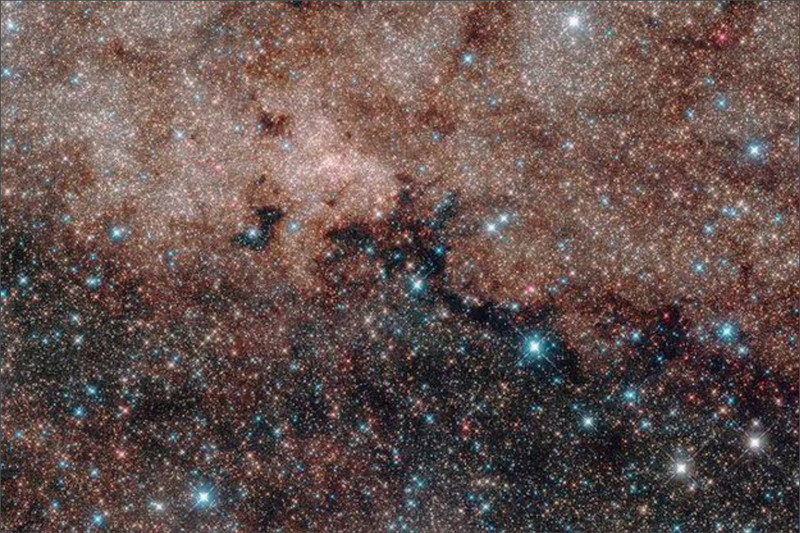
Sweet Interstellar Discovery: Erythrulose Detected in the Milky Way
Scientists from the Spanish Astrobiology Center have for the first time identified a true sugar, erythrulose, in a gas and dust cloud near our galaxy's center. This finding suggests complex molecules can form before stars and planets are born.
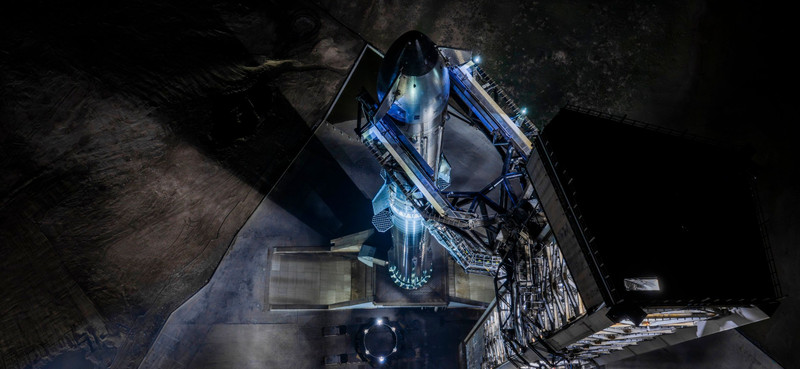
SpaceX Scrubs Starship Test Flight in South Texas
Computer systems detected an anomaly during the Super Heavy booster's engine startup sequence, forcing the mission's abort.
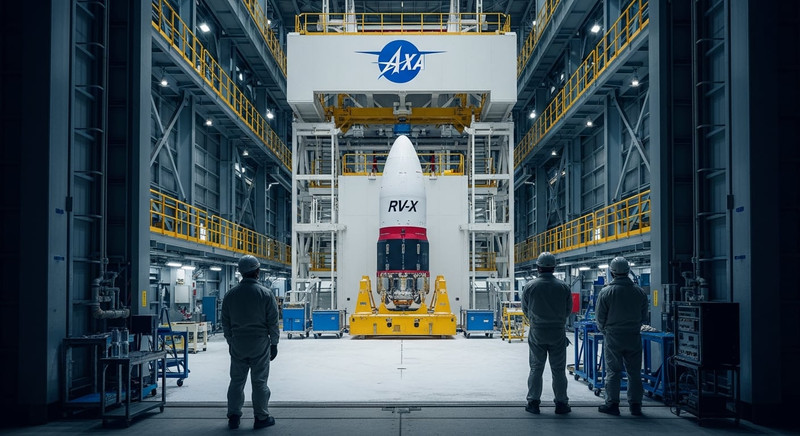
JAXA's RV-X Reusable Rocket Successfully Completes First Flight
Japan's space agency JAXA successfully tested its RV-X prototype, a critical step towards reducing costs and boosting competitiveness in the global space market.
Latest news
View all
Paramount and Warner Bros. Merger Halted by Judge Over Antitrust Concerns
A coalition of 12 states successfully petitioned Judge Araceli Martinez-Olguin to temporarily block the deal, citing fears of higher prices and reduced content.

MIT Chip Converts Invisible Infrared Light into Crucial Data
MIT researchers developed an innovative chip detecting methane and propane using mid-infrared light, with potential for millions of pixels and optical computing.

Assassin's Creed Black Flag Resynced Smashes 3 Million Sales, New Game Plus Announced
Ubisoft's successful re-release of the pirate classic continues to break records, confirming one of the most requested features from the gaming community.
Comments (0)
No comments yet. Be the first!
Only registered readers can comment.