
Brazil Reshapes Global Rare Earths Game, Prioritizing Local Development
The South American nation, home to vast reserves, demands technological investment and in-country processing from foreign partners, setting a new precedent in critical mineral geopolitics.

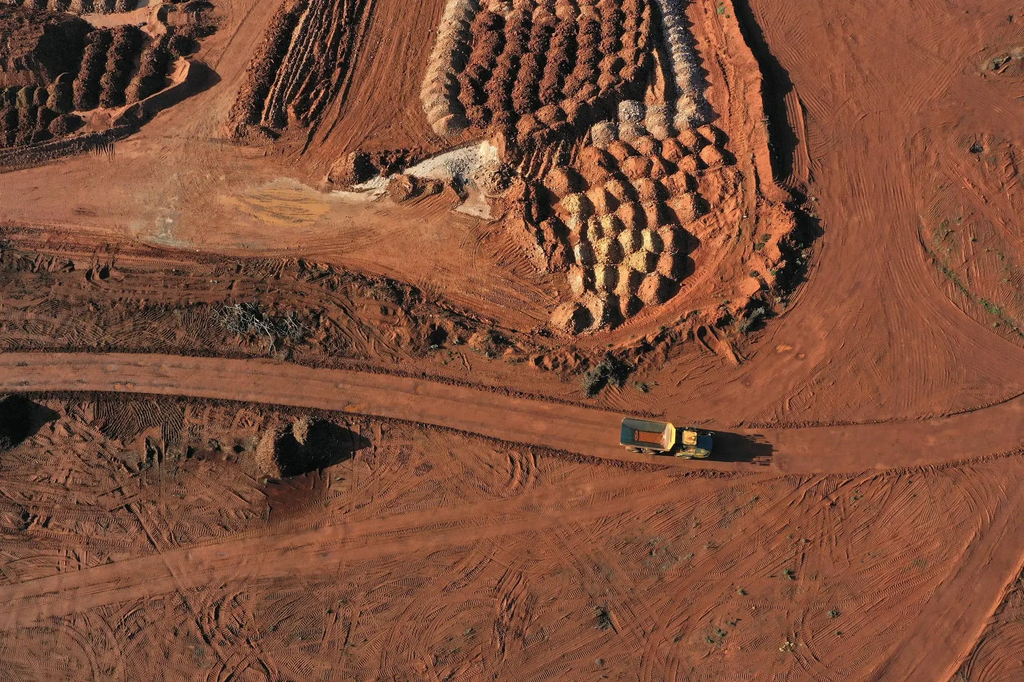
Brazil, home to one of the world's largest rare earth reserves, is actively reshaping the global rules for these critical minerals. In a strategic standoff involving the United States and China, the South American nation aims to ensure that resource exploitation drives local technological development and industry, setting a significant precedent for the global economy.
Rare earths are indispensable for modern technology, powering everything from high-strength magnets to advanced electronic components. Years ago, a sharp reduction in Chinese exports, following a diplomatic incident with Japan, unveiled their strategic global value. That episode clearly demonstrated how an often-invisible resource can become a powerful geopolitical lever.
Today, this race for critical minerals has entered a new phase, with Brazil positioning itself as a central player. Holding one of the planet's largest reserves, the South American country adopted a common-sense approach. It refuses to repeat its historical role as a mere raw material exporter, seeking a profound shift in global dynamics.
The United States intensified its efforts to secure access to these reserves, proposing multi-billion dollar investments and bilateral agreements. Washington seeks to guarantee direct supply to its companies and secure production rights through financing. However, Brazil perceived this strategy as overly aggressive, generating political resistance and slowing potential agreements.
Meanwhile, China remains a fundamental actor on this global stage. It continues as the world's leading processor of rare earths and maintains active commercial relations with Brazil. Exports to the Asian giant have grown, and its industrial expertise is difficult to match in the short term. This allows Brazil to negotiate with multiple powers without being forced to choose, at least for now.
Here, Brazil introduces its strategic condition, an unusual twist in such agreements. The country welcomes foreign capital, but demands more than simple resource extraction. Any partner must contribute to local technological development, in-country processing, and job creation. Brazil aims to transform its mineral wealth into its own industrial capacity, breaking decades of dependency.
Keep reading online — scan the code
https://go.tricuatro.com/B8IfX
© tricuatro.com
Article topics
Related articles

Sweet Interstellar Discovery: Erythrulose Detected in the Milky Way
Scientists from the Spanish Astrobiology Center have for the first time identified a true sugar, erythrulose, in a gas and dust cloud near our galaxy's center. This finding suggests complex molecules can form before stars and planets are born.
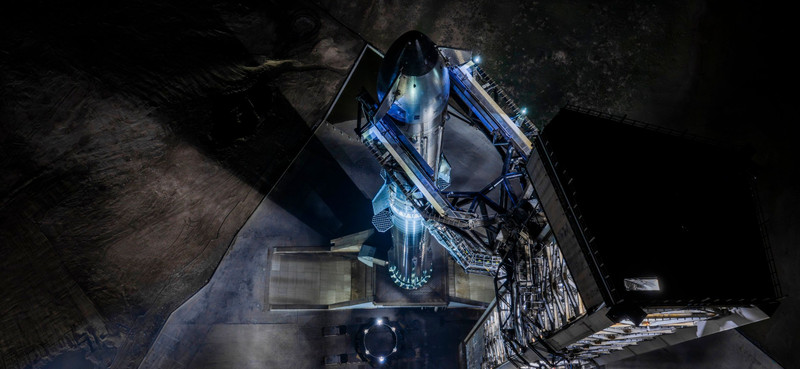
SpaceX Scrubs Starship Test Flight in South Texas
Computer systems detected an anomaly during the Super Heavy booster's engine startup sequence, forcing the mission's abort.
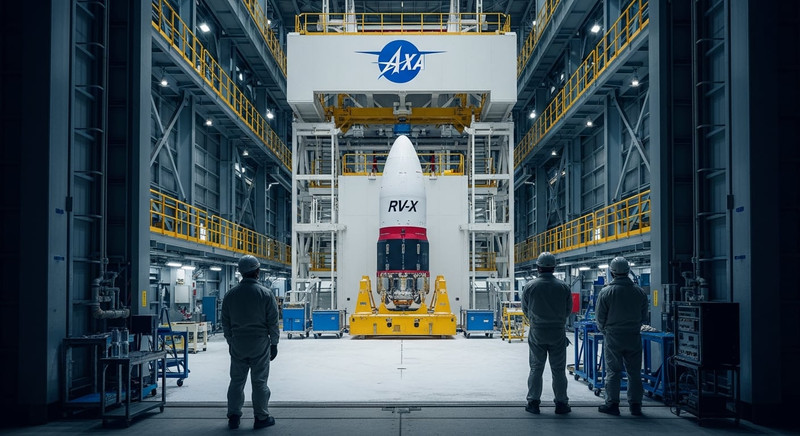
JAXA's RV-X Reusable Rocket Successfully Completes First Flight
Japan's space agency JAXA successfully tested its RV-X prototype, a critical step towards reducing costs and boosting competitiveness in the global space market.
Latest news
View all
Paramount and Warner Bros. Merger Halted by Judge Over Antitrust Concerns
A coalition of 12 states successfully petitioned Judge Araceli Martinez-Olguin to temporarily block the deal, citing fears of higher prices and reduced content.

MIT Chip Converts Invisible Infrared Light into Crucial Data
MIT researchers developed an innovative chip detecting methane and propane using mid-infrared light, with potential for millions of pixels and optical computing.

Assassin's Creed Black Flag Resynced Smashes 3 Million Sales, New Game Plus Announced
Ubisoft's successful re-release of the pirate classic continues to break records, confirming one of the most requested features from the gaming community.
Comments (0)
No comments yet. Be the first!
Only registered readers can comment.