
China Achieves Record Depth in High-Speed Underwater Tunnel Construction
This engineering feat, part of the Shenzhen-Jiangmen line, now reaches 113 meters below the seabed, navigating extreme geological and pressure conditions.

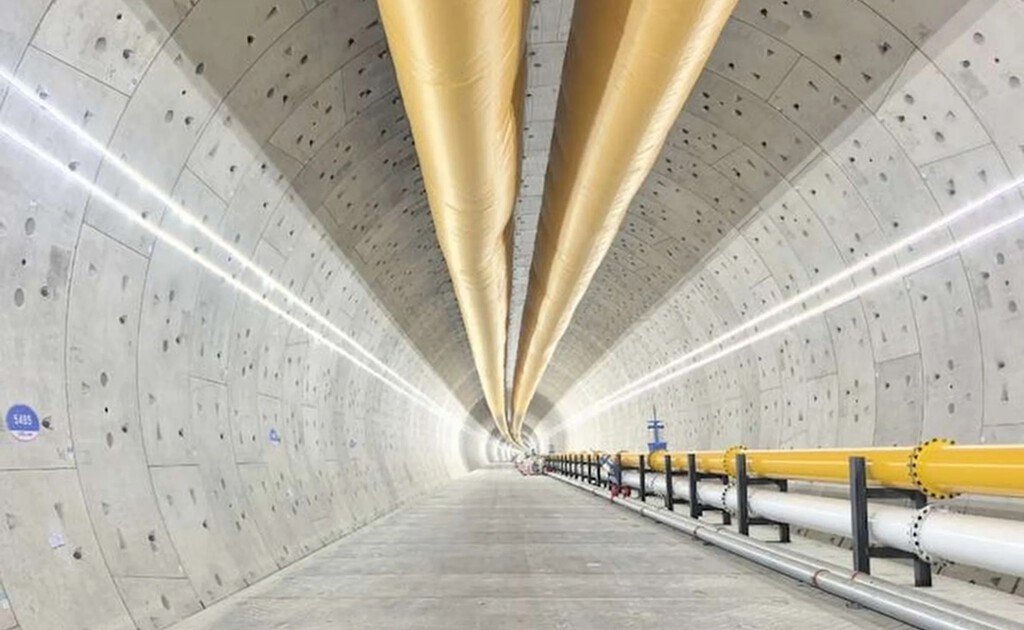
China has achieved a remarkable engineering milestone, reaching a record depth of 113 meters below the seabed in its high-speed underwater tunnel construction. This critical advancement is part of the Shenzhen-Jiangmen railway line, a vital infrastructure project in the country's south. The depth attained presents significant technical challenges due to complex geological conditions and immense water pressure. This project will connect two key cities in under an hour, integrating into China's coastal high-speed corridor.
The Shenzhen-Jiangmen high-speed line spans 116 kilometers. Its primary goal is to drastically cut travel times between these two urban centers. This connection is crucial for the Chinese railway network, boosting regional integration and economic development. The tunnel beneath the Pearl River estuary stands out as the most technically complex section of the entire undertaking.
At the core of this technical challenge operates the "Shenjiang-1" tunnel boring machine (TBM), a large-diameter marvel developed entirely in China. This engineering wonder enables continuous excavation, even during significant holidays like Qingming. The "Shenjiang-1" not only drills through the ground but also simultaneously constructs the tunnel's inner lining. This system aims to maximize efficiency in such a delicate environment.
The terrain presents a formidable challenge for the TBM. It must traverse 13 distinct geological strata, including five types of composite geology and six fault zones. Each layer reacts differently to excavation, demanding constant operational adjustments. Progress relies not only on the machine's power but also on precise control within this ever-changing environment.
Adding to the geological complexity is the extreme hydraulic pressure at these depths. The tunnel is designed to reach a maximum of 116 meters below the seabed. To operate under these conditions, the system employs a slurry circuit with a dual function. First, it reduces friction at the excavation face, facilitating advancement. Second, it transports the excavated material to the surface for subsequent separation and reuse.
As the "Shenjiang-1" advances, the tunnel takes shape without interruption. Construction teams work directly behind the excavation front. They ensure the continuous installation of the inner lining. This guarantees the structure's stability and safety as drilling progresses.
Keep reading online — scan the code
https://go.tricuatro.com/e64h9
© tricuatro.com
Article topics
Related articles

Sweet Interstellar Discovery: Erythrulose Detected in the Milky Way
Scientists from the Spanish Astrobiology Center have for the first time identified a true sugar, erythrulose, in a gas and dust cloud near our galaxy's center. This finding suggests complex molecules can form before stars and planets are born.
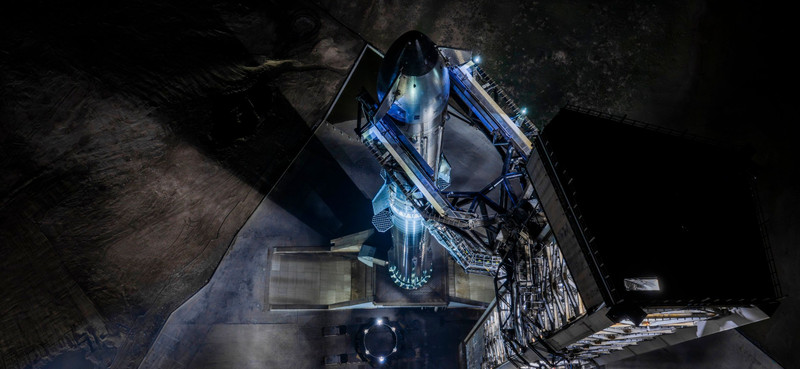
SpaceX Scrubs Starship Test Flight in South Texas
Computer systems detected an anomaly during the Super Heavy booster's engine startup sequence, forcing the mission's abort.
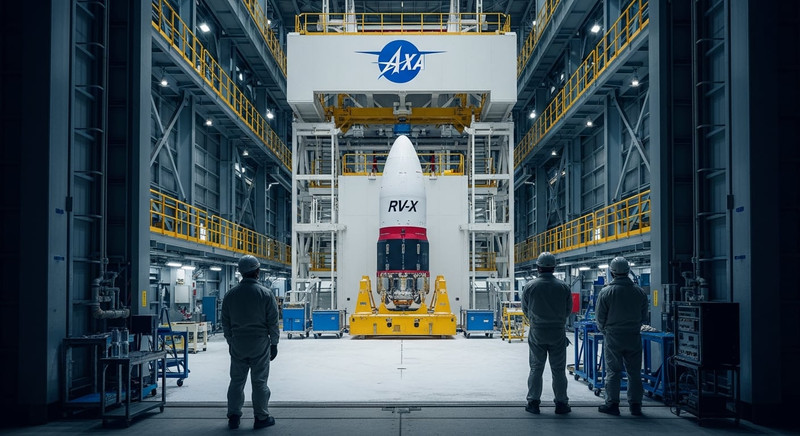
JAXA's RV-X Reusable Rocket Successfully Completes First Flight
Japan's space agency JAXA successfully tested its RV-X prototype, a critical step towards reducing costs and boosting competitiveness in the global space market.
Latest news
View all
Paramount and Warner Bros. Merger Halted by Judge Over Antitrust Concerns
A coalition of 12 states successfully petitioned Judge Araceli Martinez-Olguin to temporarily block the deal, citing fears of higher prices and reduced content.

MIT Chip Converts Invisible Infrared Light into Crucial Data
MIT researchers developed an innovative chip detecting methane and propane using mid-infrared light, with potential for millions of pixels and optical computing.

Assassin's Creed Black Flag Resynced Smashes 3 Million Sales, New Game Plus Announced
Ubisoft's successful re-release of the pirate classic continues to break records, confirming one of the most requested features from the gaming community.
Comments (0)
No comments yet. Be the first!
Only registered readers can comment.