
China unveils humanoid robot for Moon mission in 2030
China announced a new AI-powered humanoid robot that will be sent to the Moon as part of its Chang’e-8 mission scheduled for 2030.

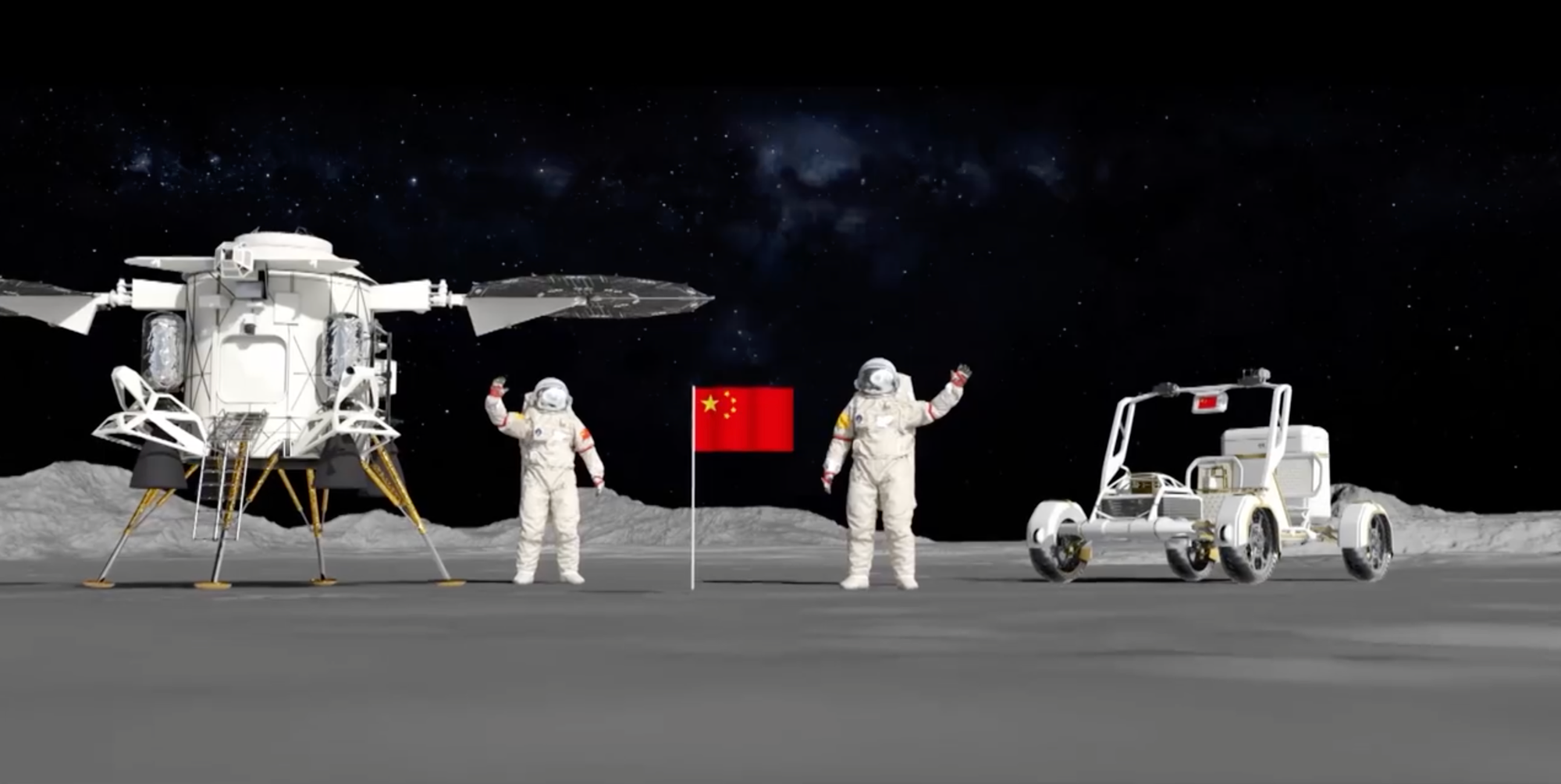
China has revealed an AI-driven humanoid robot designed for lunar exploration, set to be sent to the Moon in 2030. Developed by Hong Kong University of Science and Technology (HKUST), this 100-kilogram robot will serve as a porter, transporting and installing instruments at various lunar sites. It will be part of the Chang’e-8 mission, aiming to expand China’s lunar exploration efforts.
The robot features a humanoid upper body with two arms, mounted on a four-wheeled module equipped with solar panels. Gao Yang, a professor at HKUST, highlighted that this will be a groundbreaking demonstration of humanoid robotics on the Moon by China.
According to Gao, the robot’s onboard artificial intelligence will enable it to identify objects and plan strategies before executing tasks. This autonomy is crucial for operating in the harsh lunar environment where real-time human control is limited.
China’s space program has made significant progress over recent decades, with plans to send humans to the lunar surface in the near future. The Chang’e-8 mission is part of this broader ambition, competing with the United States, which aims to return astronauts to the Moon by 2028 with Artemis IV. However, delays in the U.S. timeline, mainly due to technical hurdles with SpaceX’s Starship, have created uncertainties.
Starship’s large size requires orbital refueling, a technology that has yet to be proven at this scale, complicating the U.S. lunar plans. Jim Bridenstine, former NASA administrator, warned that these challenges could cause the U.S. to fall behind China’s timeline for lunar crewed missions.
Meanwhile, China’s focus remains on advancing lunar robotics, with the humanoid robot being a key element in preparing for future crewed landings. The technology developed for these robots could also benefit other space exploration activities and operations in extreme environments.
The race to the Moon is heating up, with China’s recent robot unveiling marking a significant step in its space ambitions. The next few years will be critical as both nations push forward with their lunar exploration agendas.
By 2029, the world will be watching closely to see how China’s lunar robot performs and how it influences the broader landscape of space exploration.
Keep reading online — scan the code
https://go.tricuatro.com/soAbX
© tricuatro.com
Article topics
Related articles

Sweet Interstellar Discovery: Erythrulose Detected in the Milky Way
Scientists from the Spanish Astrobiology Center have for the first time identified a true sugar, erythrulose, in a gas and dust cloud near our galaxy's center. This finding suggests complex molecules can form before stars and planets are born.
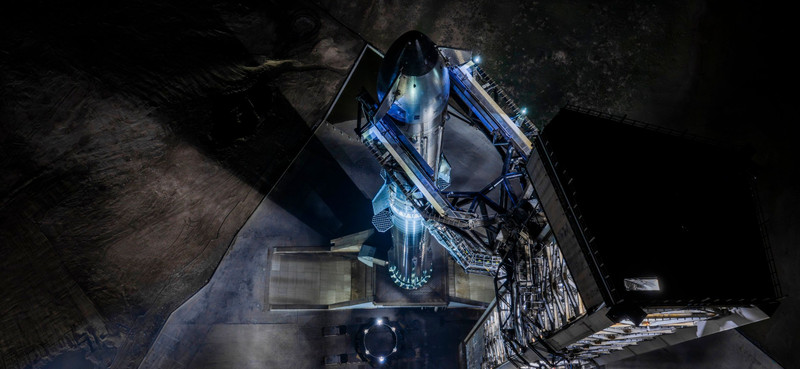
SpaceX Scrubs Starship Test Flight in South Texas
Computer systems detected an anomaly during the Super Heavy booster's engine startup sequence, forcing the mission's abort.
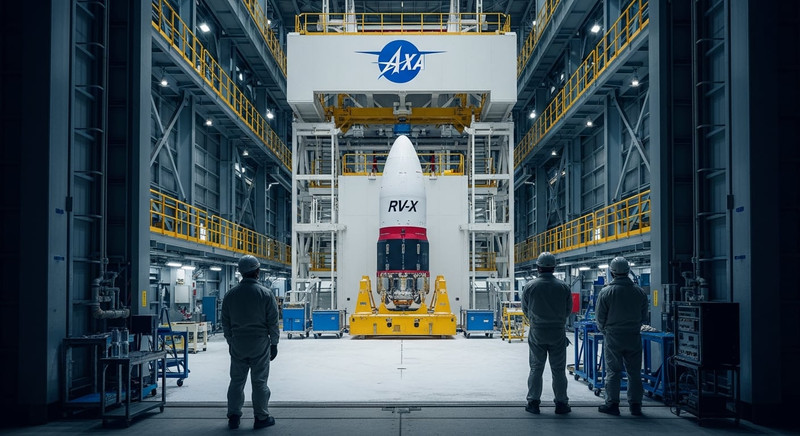
JAXA's RV-X Reusable Rocket Successfully Completes First Flight
Japan's space agency JAXA successfully tested its RV-X prototype, a critical step towards reducing costs and boosting competitiveness in the global space market.
Latest news
View all
Paramount and Warner Bros. Merger Halted by Judge Over Antitrust Concerns
A coalition of 12 states successfully petitioned Judge Araceli Martinez-Olguin to temporarily block the deal, citing fears of higher prices and reduced content.

MIT Chip Converts Invisible Infrared Light into Crucial Data
MIT researchers developed an innovative chip detecting methane and propane using mid-infrared light, with potential for millions of pixels and optical computing.

Assassin's Creed Black Flag Resynced Smashes 3 Million Sales, New Game Plus Announced
Ubisoft's successful re-release of the pirate classic continues to break records, confirming one of the most requested features from the gaming community.
Comments (0)
No comments yet. Be the first!
Only registered readers can comment.