
Human Thought May Begin Before Birth, Study Suggests
Recent research from the University of Durham and Lisbon suggests that consciousness and thought form during gestation, challenging previous ideas.

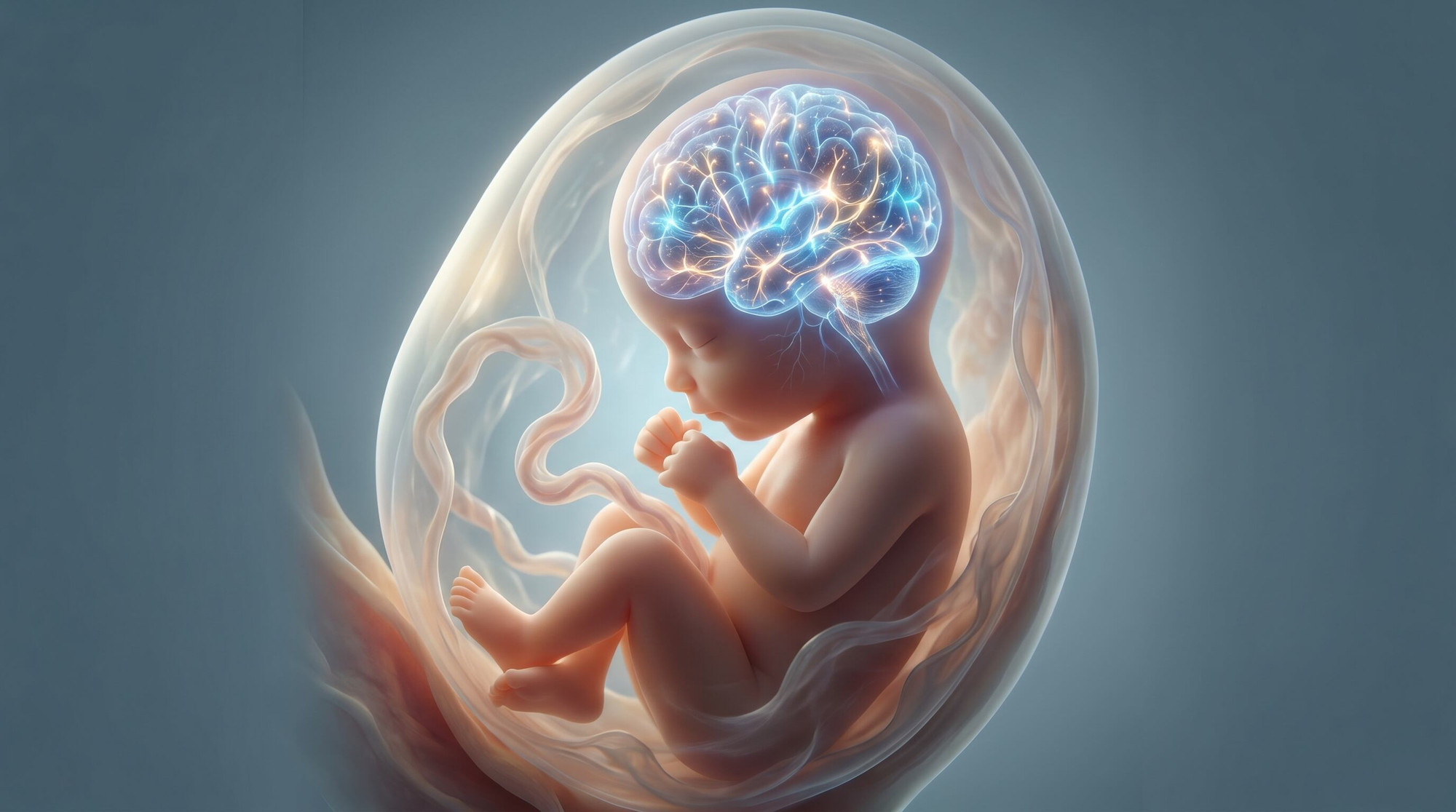
What if human thought begins much earlier than we ever imagined, even before birth? Fascinating research from the University of Durham is posing this very question, challenging traditional notions about the onset of consciousness and cognition in humans. This fresh perspective suggests that the foundations of our minds are built in much earlier stages of development than previously thought.
Bayne, a professor at the University of Durham, proposes a bold viewpoint: thinking might be more closely related to the ability to act rather than merely the presence of conscious experiences. He considers that, months after birth, when babies learn to move a hanging mobile and experience frustration or satisfaction upon achieving their goal, we are witnessing the first glimpses of intentional thoughts. These emotional reactions, for Bayne, offer a window into early cognitive activity.
Meanwhile, cognitive scientist Anna Ciaunica, from the University of Lisbon, invites us to reflect on a potential "adult bias." She argues that we often assume thought and consciousness only emerge after birth or require sophisticated concepts that infants do not possess. Ciaunica posits a powerful idea: "existence comes first, knowledge later."
"Existence comes first, knowledge later."
These ideas are reinforced by discoveries about sensory experiences during gestation. As reported by New Scientist, these prenatal experiences contribute to forming a basic sense of "self" in humans even before they enter the world. This means the uterine environment is not just a space for physical development, but a fertile ground for identity formation.
A compelling example of this prenatal influence is observed in babies of bilingual mothers. New Scientist mentions that these infants exhibit distinct crying patterns, a clear indication of how experiences within the womb can shape identity formation and cognitive preferences from a very early stage. Exposure to different languages, even passively, leaves its mark.
Ciaunica further elaborates on the critical role of constant interaction with the mother, describing it as the core of the prenatal experience. This bond is not only emotional but also has strong biological underpinnings. The development of the enteric nervous system and early olfactory specialization are processes that support the idea that sensory integration and the construction of the "self" begin well before birth.
Beyond just the brain, the fundamental relationship between the body and its environment is established before birth, as highlighted by New Scientist. This early connection is vital for an individual's future orientation and survival. It's not solely the brain that prepares, but the entire organism in its interaction with the world.
Ultimately, the first authentic experience of the human mind appears to be defined by the recognition of another presence. Consciousness, then, is not a solitary phenomenon; it begins to be forged from the bond with others, accompanying thought and identity throughout life. This prompts us to reconsider the profound interconnectedness between individual development and relationships from day one.
Understanding that consciousness and thought may have prenatal roots compels us to rethink how we approach early care and stimulation. If identity and cognition are forged so early, the impact of gestational experiences could be even more significant than science has previously recognized, opening new avenues for research in neurodevelopment and child psychology.
Keep reading online — scan the code
https://go.tricuatro.com/human-th
© tricuatro.com
Article topics
Related articles
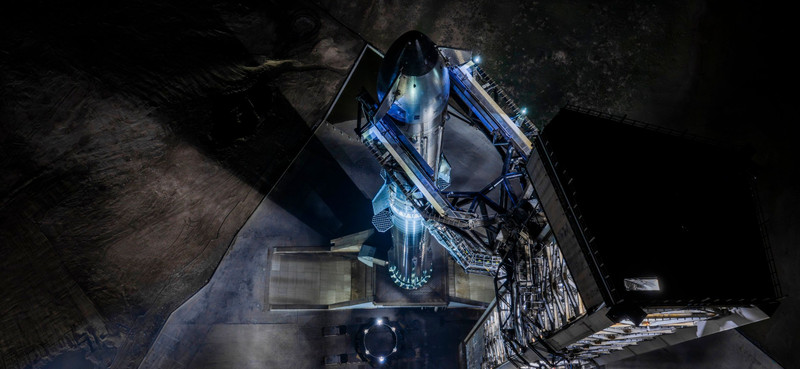
SpaceX Scrubs Starship Test Flight in South Texas
Computer systems detected an anomaly during the Super Heavy booster's engine startup sequence, forcing the mission's abort.
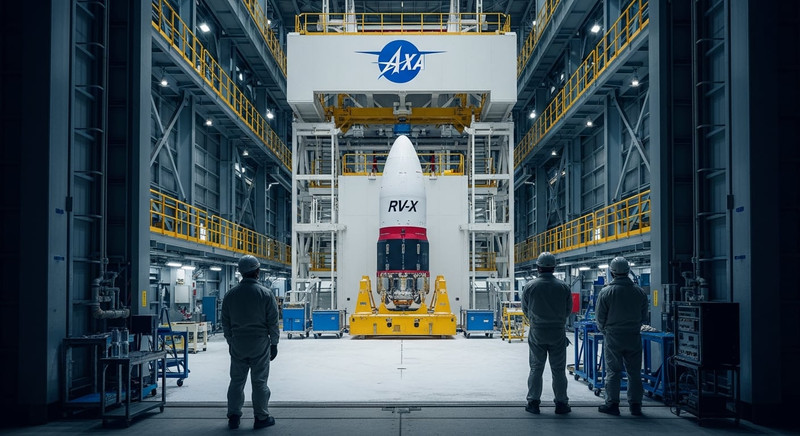
JAXA's RV-X Reusable Rocket Successfully Completes First Flight
Japan's space agency JAXA successfully tested its RV-X prototype, a critical step towards reducing costs and boosting competitiveness in the global space market.
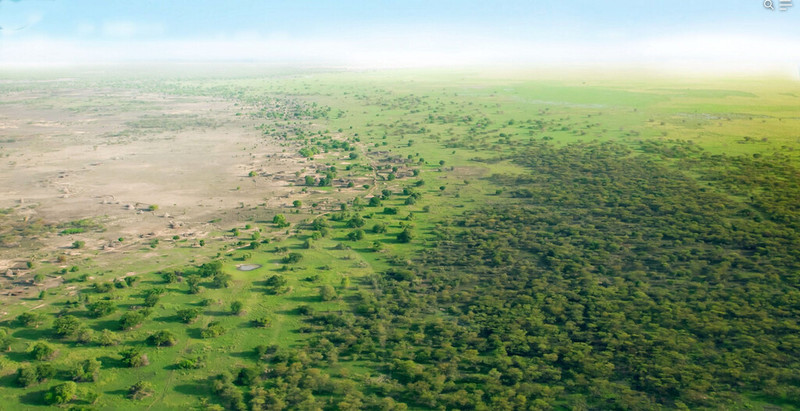
China's Great Green Wall: Artificial Forests Outpace Natural Growth
China planted 66 billion trees over nearly half a century to combat desertification, and a new study shows they grow faster than natural forests, albeit with important nuances.
Latest news
View all
MIT Chip Converts Invisible Infrared Light into Crucial Data
MIT researchers developed an innovative chip detecting methane and propane using mid-infrared light, with potential for millions of pixels and optical computing.

Assassin's Creed Black Flag Resynced Smashes 3 Million Sales, New Game Plus Announced
Ubisoft's successful re-release of the pirate classic continues to break records, confirming one of the most requested features from the gaming community.

TikTok tests AI tool to protect creators from deepfakes
The video platform is rolling out an opt-in feature allowing users to verify their identity and report unauthorized AI-generated likenesses.
Comments (0)
No comments yet. Be the first!
Only registered readers can comment.