
James Webb Reveals Small Red Dots Key to Supermassive Black Hole Origins
A discovery by the University of Texas at Austin, published in "The Astrophysical Journal", could reshape our understanding of these cosmic giants.

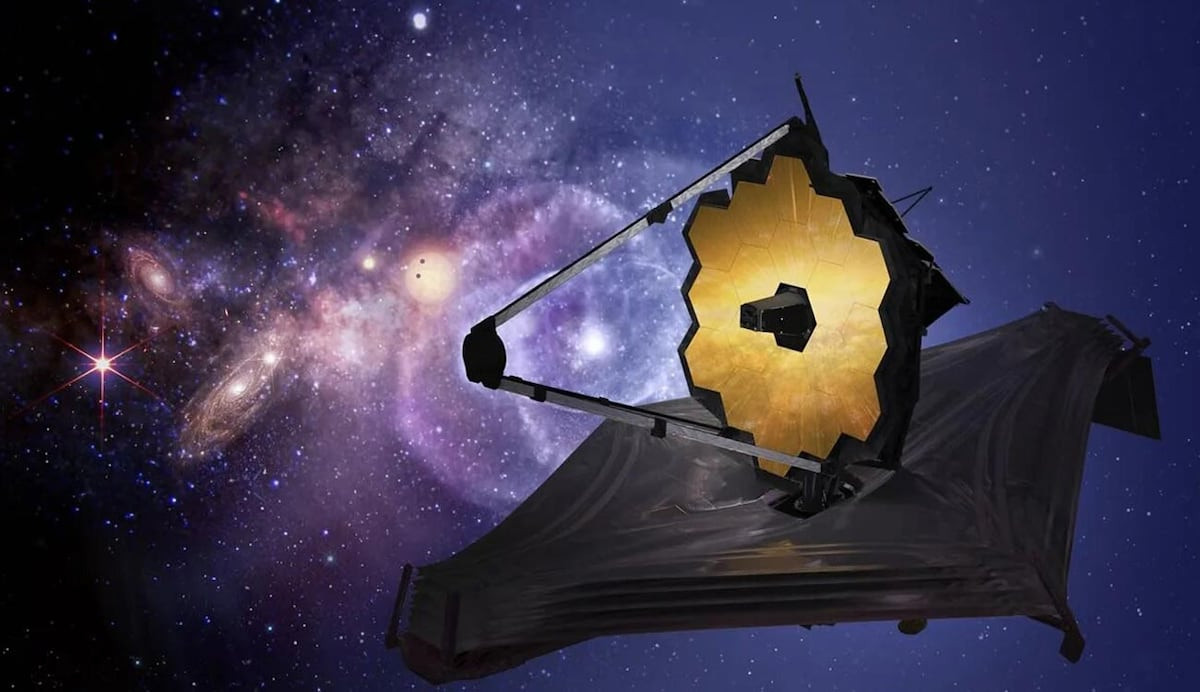
The James Webb Space Telescope (JWST) recently identified small red dots in the early universe. This groundbreaking discovery, led by the University of Texas at Austin and published in "The Astrophysical Journal", could reshape our understanding of supermassive black hole origins. These compact, enigmatic light sources provide crucial evidence for the rapid formation of massive objects shortly after the Big Bang.
These red dots stand out due to their intense infrared light and a size significantly smaller than typical galaxies. Analyses suggest they correspond to regions with high gas density. Unlike young galaxies, they lack a significant stellar population. Researchers believe these "Small Red Dots" are powered by supermassive black holes, enveloped in a massive cocoon of dense gas.
This study proposes a fascinating hypothesis: these objects represent an advanced stage in the formation of supermassive black holes through the direct collapse of vast primitive gas clouds. This idea, known as the "heavy seed" hypothesis, does not require the prior death of massive stars. It differs from the traditional model, which attributes these phenomena's origin to the gradual growth of stellar remnants, called "light seeds".
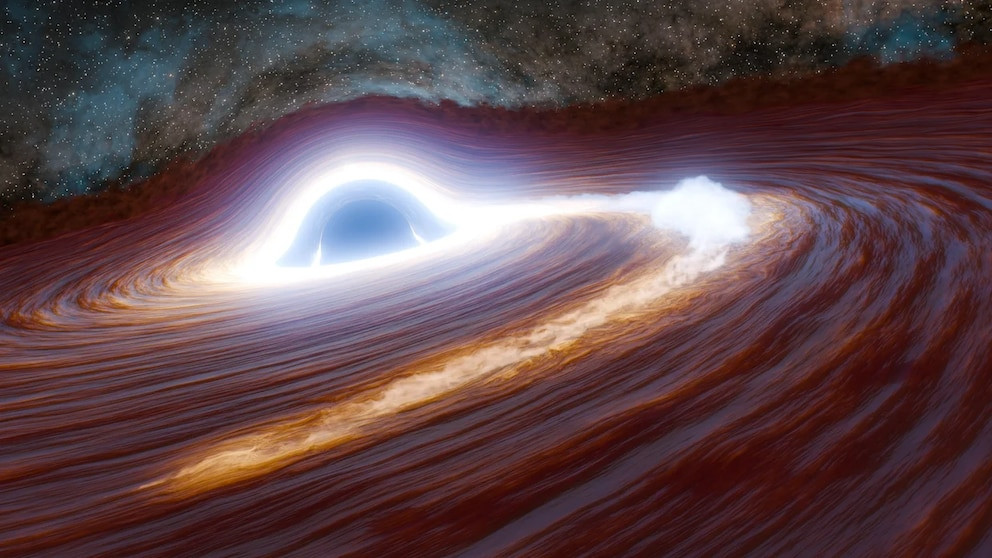
Computational simulations bolster the direct collapse theory. If the origin were primarily from stellar remnants, we should observe a greater number of these points. However, the fewer detections by Webb support the hypothesis that a gas cloud can form a black hole 10,000 to one million times the solar mass very quickly. "Finding black holes in the early universe is quite a surprise because it goes against the standard model of how the universe builds its structure from small pieces!" explained Volker Bromm, professor of astronomy.
To unravel these complex processes, research teams relied on advanced supercomputing techniques. Models like A-SLOTH proved essential. Calculations performed on supercomputers such as Lonestar6 and Stampede3, at the Texas Advanced Computing Center, were instrumental. These allowed analysis of James Webb data and simulation of universe conditions less than half a million years after the Big Bang.
This discovery not only redefines our view of the early cosmos but also underscores the power of modern technology. The major challenge now is, in essence, a supercomputing problem. We must understand the data coming from the JWST about the earliest galaxies. This will allow us to advance through time from the primordial universe.
Keep reading online — scan the code
https://go.tricuatro.com/iTWjf
© tricuatro.com
Article topics
Related articles
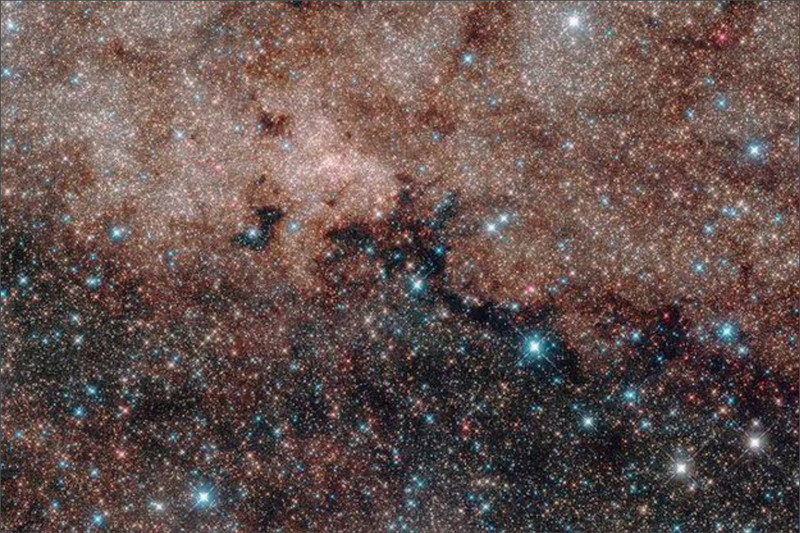
Sweet Interstellar Discovery: Erythrulose Detected in the Milky Way
Scientists from the Spanish Astrobiology Center have for the first time identified a true sugar, erythrulose, in a gas and dust cloud near our galaxy's center. This finding suggests complex molecules can form before stars and planets are born.
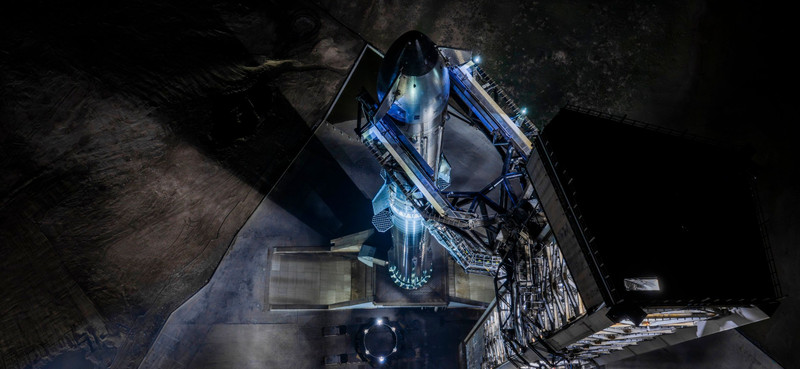
SpaceX Scrubs Starship Test Flight in South Texas
Computer systems detected an anomaly during the Super Heavy booster's engine startup sequence, forcing the mission's abort.

JAXA's RV-X Reusable Rocket Successfully Completes First Flight
Japan's space agency JAXA successfully tested its RV-X prototype, a critical step towards reducing costs and boosting competitiveness in the global space market.
Latest news
View all
Paramount and Warner Bros. Merger Halted by Judge Over Antitrust Concerns
A coalition of 12 states successfully petitioned Judge Araceli Martinez-Olguin to temporarily block the deal, citing fears of higher prices and reduced content.

MIT Chip Converts Invisible Infrared Light into Crucial Data
MIT researchers developed an innovative chip detecting methane and propane using mid-infrared light, with potential for millions of pixels and optical computing.

Assassin's Creed Black Flag Resynced Smashes 3 Million Sales, New Game Plus Announced
Ubisoft's successful re-release of the pirate classic continues to break records, confirming one of the most requested features from the gaming community.
Comments (0)
No comments yet. Be the first!
Only registered readers can comment.