
James Webb Telescope Discovers Water Vapor on Exoplanet TOI-421 b
NASA's space telescope made an unprecedented finding on TOI-421 b, a sub-Neptune with a surprisingly clear atmosphere, potentially reshaping our understanding of planetary formation.

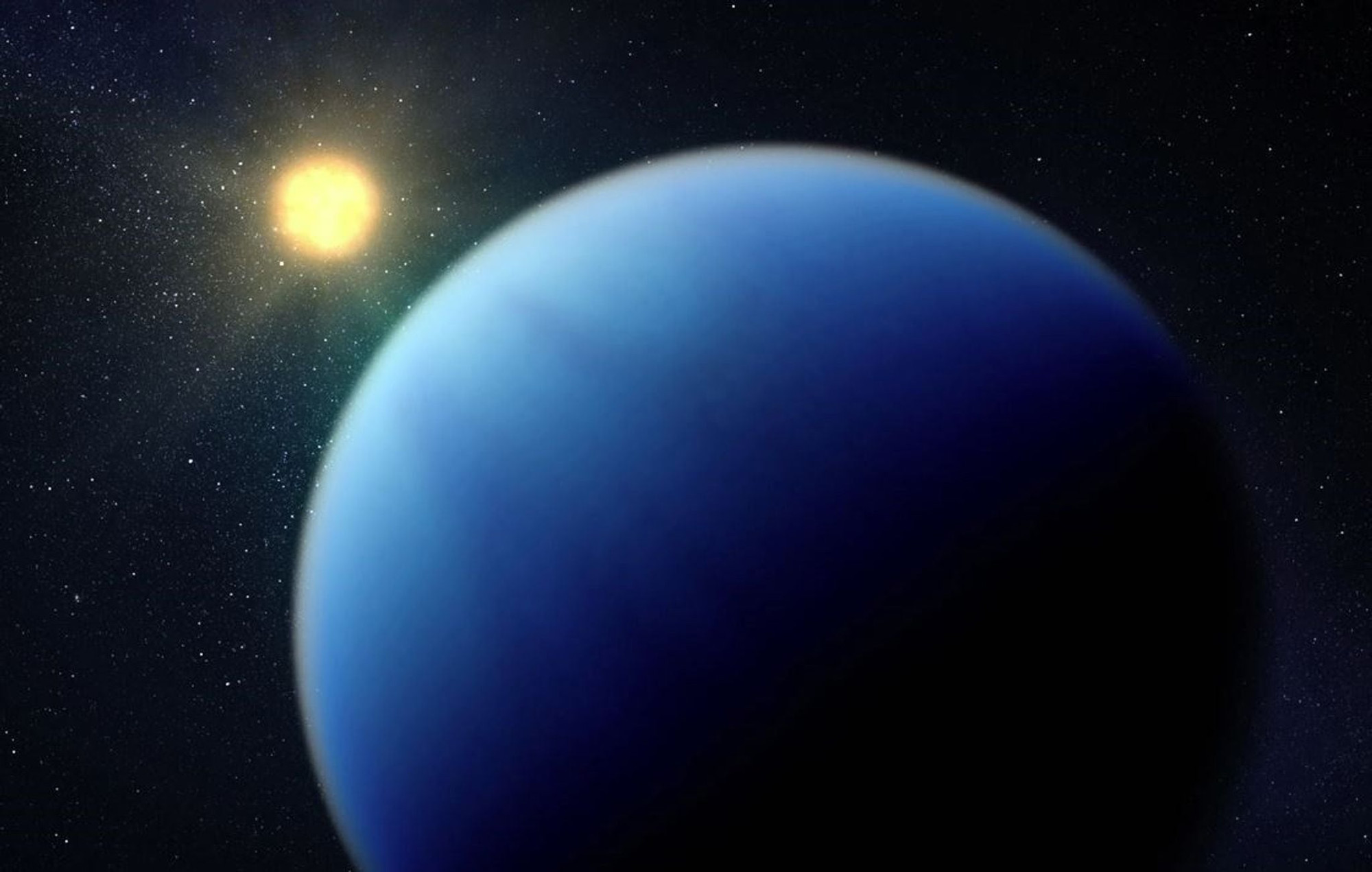
Operating 1.5 million kilometers from Earth, the James Webb Space Telescope has once again delivered an unprecedented view into the cosmos. NASA announced in May 2025 that the observatory detected water vapor in the atmosphere of TOI-421 b, a hot sub-Neptune exoplanet located beyond our solar system.
This discovery is pivotal because, since its launch in December 2021, the James Webb has demonstrated an unparalleled ability to study exoplanet atmospheres. What makes TOI-421 b particularly special is its remarkably clear atmosphere compared to other sub-Neptunes, allowing researchers to delve into its composition with previously unimaginable detail.
NASA specialists focused on TOI-421 b specifically due to prior data suggesting less haze or cloud cover. This hypothesis was confirmed by observations, opening a unique window into a type of planet that typically remains elusive to spectroscopic analysis.
A team from the University of Maryland, led by principal investigator Eliza Kempton, was responsible for this exciting breakthrough. Not only was water vapor detected, but also possible signals of carbon monoxide and sulfur dioxide, compounds that provide vital clues about the chemistry of this distant world.
"The atmosphere of TOI-421 b contains a large amount of hydrogen, which suggests that the planet may have formed and evolved differently than colder sub-Neptunes observed in the past," explained principal investigator Eliza Kempton.
The presence of a hydrogen-rich atmosphere on TOI-421 b is a fascinating piece of data. It suggests that this hot sub-Neptune might have had a distinct formation and evolutionary history compared to its colder counterparts. Understanding these differences is crucial for unraveling why sub-Neptunes are so common throughout the universe, yet conspicuously absent from our own solar system.
The exploration of TOI-421 b is significant because sub-Neptunes, despite their abundance, are often shrouded in dense haze or clouds that hinder the analysis of their gaseous layers. The transparency of TOI-421 b's atmosphere makes it a natural laboratory for studying these worlds.
Furthermore, this exoplanet orbits a star quite similar to our Sun, adding another layer of interest to the study. It allows us to compare planetary formation conditions around analogous stars to our own, searching for patterns that help us understand the habitability and diversity of stellar systems.
This is not the James Webb's first milestone in water detection. Previously, NASA had reported the discovery of water vapor in the PDS 70 planetary system, located 370 light-years away. That finding was made in the system's inner disk, an area believed to be forming rocky planets, and marked the first time water was detected in a disk hosting two or more protoplanets.
The James Webb Space Telescope, which operates around the Sun-Earth L2 point, has established itself as the world's premier space science observatory. Its mission is ambitious: to solve mysteries of our solar system, explore distant worlds, and unravel the origins of the universe. Each new discovery, such as that of TOI-421 b, brings us one step closer to these answers.
Keep reading online — scan the code
https://go.tricuatro.com/james-we
© tricuatro.com
Article topics
Related articles
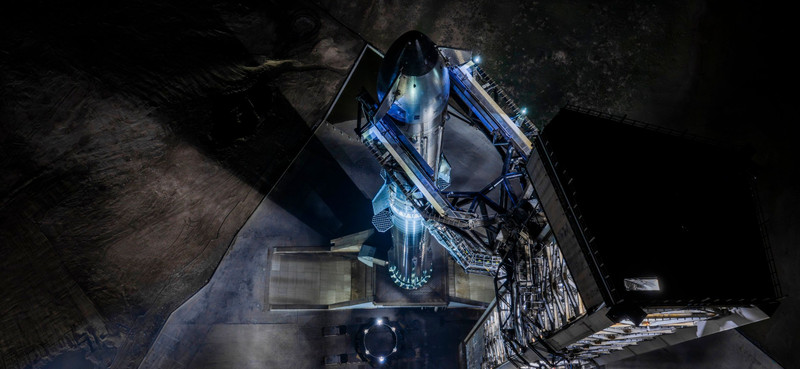
SpaceX Scrubs Starship Test Flight in South Texas
Computer systems detected an anomaly during the Super Heavy booster's engine startup sequence, forcing the mission's abort.

JAXA's RV-X Reusable Rocket Successfully Completes First Flight
Japan's space agency JAXA successfully tested its RV-X prototype, a critical step towards reducing costs and boosting competitiveness in the global space market.

China's Great Green Wall: Artificial Forests Outpace Natural Growth
China planted 66 billion trees over nearly half a century to combat desertification, and a new study shows they grow faster than natural forests, albeit with important nuances.
Latest news
View all
MIT Chip Converts Invisible Infrared Light into Crucial Data
MIT researchers developed an innovative chip detecting methane and propane using mid-infrared light, with potential for millions of pixels and optical computing.

Assassin's Creed Black Flag Resynced Smashes 3 Million Sales, New Game Plus Announced
Ubisoft's successful re-release of the pirate classic continues to break records, confirming one of the most requested features from the gaming community.

TikTok tests AI tool to protect creators from deepfakes
The video platform is rolling out an opt-in feature allowing users to verify their identity and report unauthorized AI-generated likenesses.
Comments (0)
No comments yet. Be the first!
Only registered readers can comment.