
Jeff Bezos Proposes Space Data Centers and Relocating Earth Industries
The founder of Amazon and Blue Origin aims to alleviate terrestrial environmental pressure by moving intensive operations to space, seeing the Moon as a key first step.

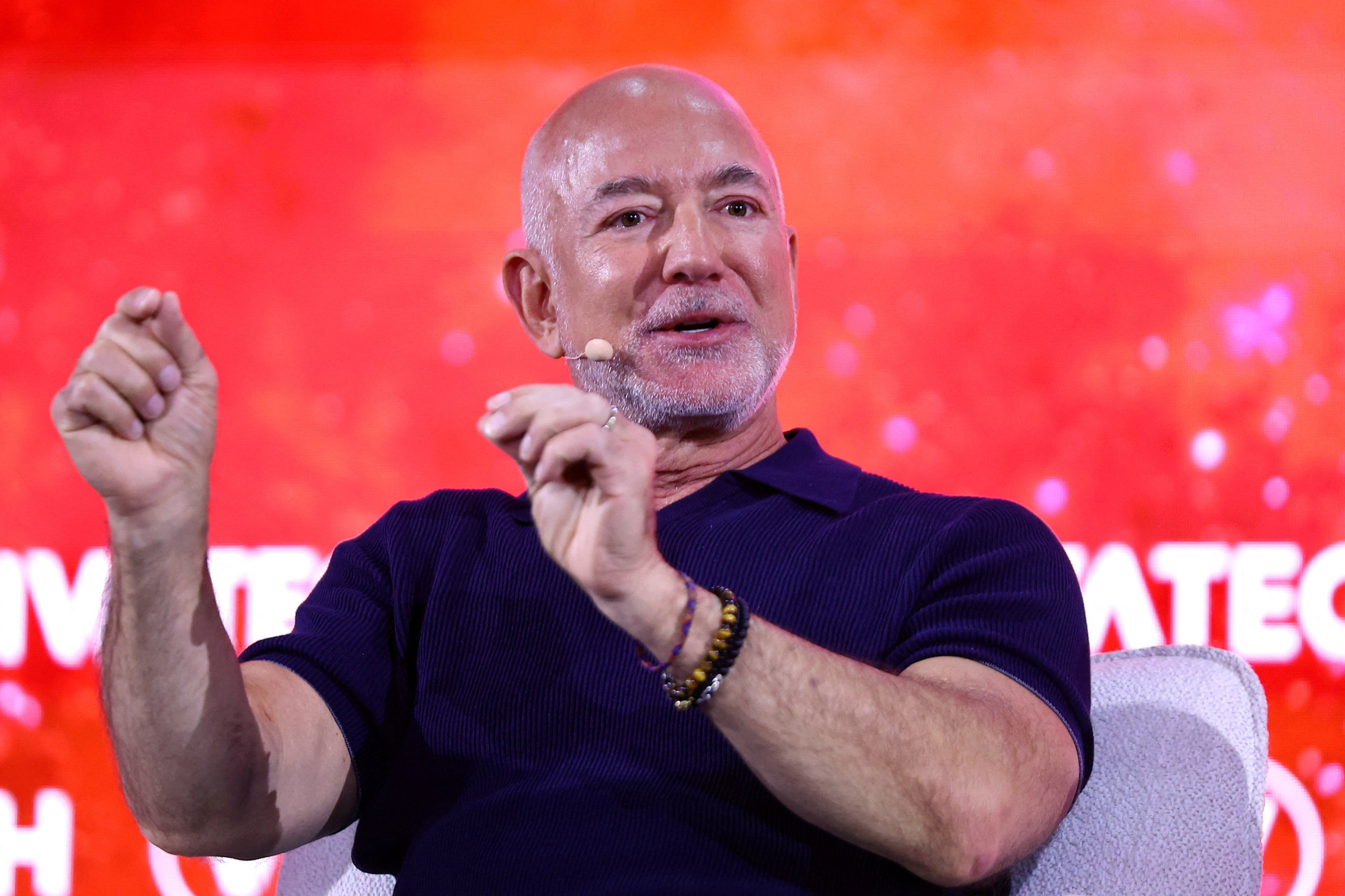
Could the solution to Earth's environmental crisis be floating among the stars? Jeff Bezos, the visionary founder of Amazon and Blue Origin, proposes a bold strategy: relocating polluting industries to space to preserve our planet. This initiative is already underway, with his space company seeking to deploy a mega data center in orbit.
Blue Origin, Bezos's space company, filed a request on March 19, 2026, for authorization from the U.S. government, specifically the Federal Communications Commission (FCC), for an ambitious project. This is “Proyecto Sunrise,” a constellation of over 50,000 satellites designed to function as a colossal space-based data center.
The primary goal of this orbital network is to reduce pressure on Earth's natural resources and communities. The idea is to move energy and water-intensive operations away from terrestrial data centers. This approach is particularly relevant given that the UN estimates artificial intelligence will double data center energy and water consumption by 2030, directly impacting the natural resources of billions of people.
In this context of space expansion, Bezos did not rule out the colonization of Mars, the objective of his competitor Elon Musk and SpaceX. However, his approach is more pragmatic, stating that “The Moon is the first best step.”
“The Moon is the first best step,” Bezos stated, outlining a strategic preference in the space race.
Bezos champions a particular optimism about human progress, arguing that environmental degradation “is the only thing in which the world is worse today than 500 years ago. Everything is better today.” He cited declining illiteracy, infant mortality, and poverty as indicators that have significantly improved since before the Industrial Revolution, noting that “Everything is better, and it keeps getting better. And the only exception is the natural environment.”
The entrepreneur, who stepped down as Amazon CEO in 2021, also commented on artificial intelligence, dismissing fears of mass unemployment. “I totally disagree with that point of view,” he affirmed. His argument is that AI will not render humans superfluous but will instead create a labor shortage by enabling the identification of more problems and an “infinite range of things to invent.”
This stance contrasts with recent moves within his own company. In January 2026, Amazon announced the elimination of 16,000 jobs worldwide. This reduction was attributed to a combination of over-hiring during the pandemic years and the increasing adoption of artificial intelligence tools in its operations.
For Bezos, “we are not limited by our imagination, but by what we can actually do.” He concluded his message to young entrepreneurs with encouragement, asserting that “There has never been a better time to launch a company,” describing the current moment as the most incredible in human history.
Beyond data centers, Blue Origin’s vision also includes utilizing lunar resources. Permanently shaded craters on the Moon could be converted, through electrolysis, into liquid oxygen and liquid hydrogen. These elements would be crucial for refueling future spacecraft, laying the groundwork for an interplanetary infrastructure.
Blue Origin's “Proyecto Sunrise,” with its proposed network of 50,000 satellites, marks a tangible first step in this ambitious strategy, seeking to redefine technological infrastructure beyond Earth's confines and offer an innovative solution to environmental challenges.

Keep reading online — scan the code
https://go.tricuatro.com/jeff-bez
© tricuatro.com
Article topics
Related articles
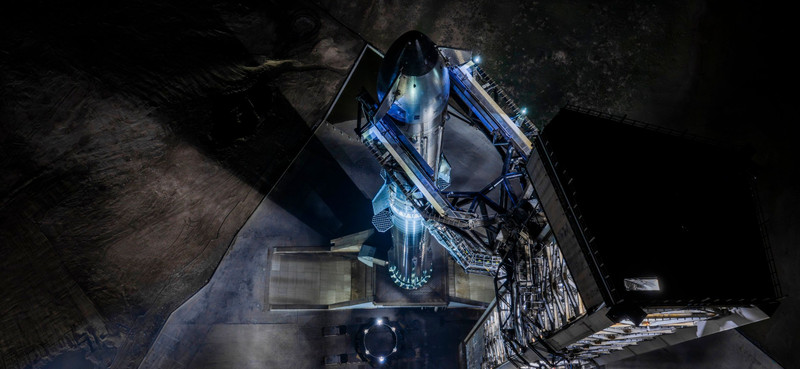
SpaceX Scrubs Starship Test Flight in South Texas
Computer systems detected an anomaly during the Super Heavy booster's engine startup sequence, forcing the mission's abort.
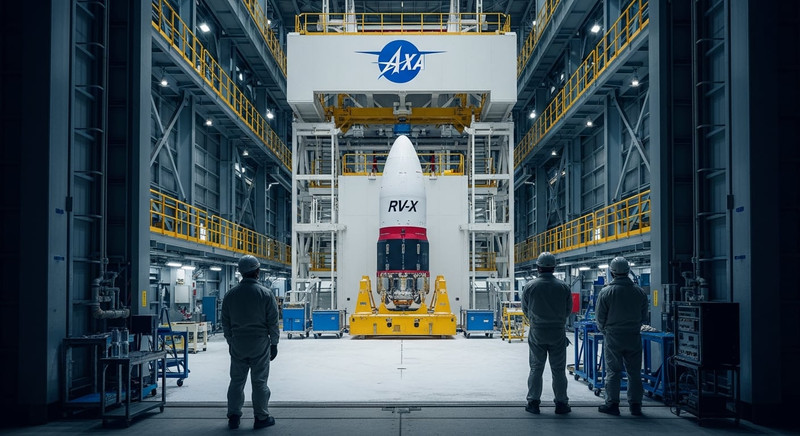
JAXA's RV-X Reusable Rocket Successfully Completes First Flight
Japan's space agency JAXA successfully tested its RV-X prototype, a critical step towards reducing costs and boosting competitiveness in the global space market.
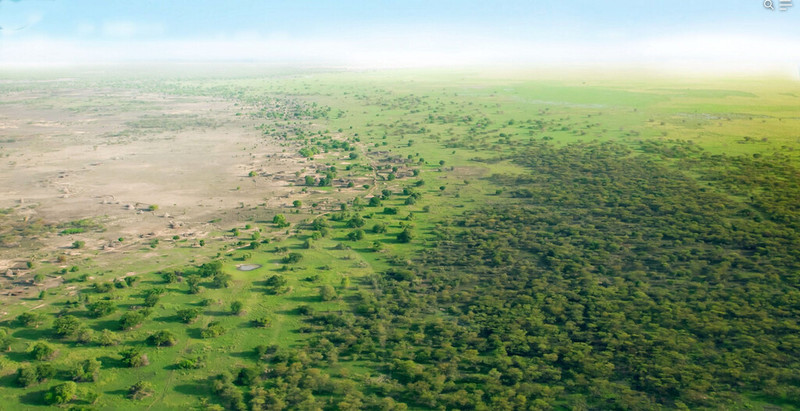
China's Great Green Wall: Artificial Forests Outpace Natural Growth
China planted 66 billion trees over nearly half a century to combat desertification, and a new study shows they grow faster than natural forests, albeit with important nuances.
Latest news
View all
MIT Chip Converts Invisible Infrared Light into Crucial Data
MIT researchers developed an innovative chip detecting methane and propane using mid-infrared light, with potential for millions of pixels and optical computing.

Assassin's Creed Black Flag Resynced Smashes 3 Million Sales, New Game Plus Announced
Ubisoft's successful re-release of the pirate classic continues to break records, confirming one of the most requested features from the gaming community.

TikTok tests AI tool to protect creators from deepfakes
The video platform is rolling out an opt-in feature allowing users to verify their identity and report unauthorized AI-generated likenesses.
Comments (0)
No comments yet. Be the first!
Only registered readers can comment.