
Major Delays Hit US Data Center Construction, Impacting AI Growth
New satellite imagery reveals nearly 40% of US data center projects may not be completed this year, affecting critical infrastructure for artificial intelligence.

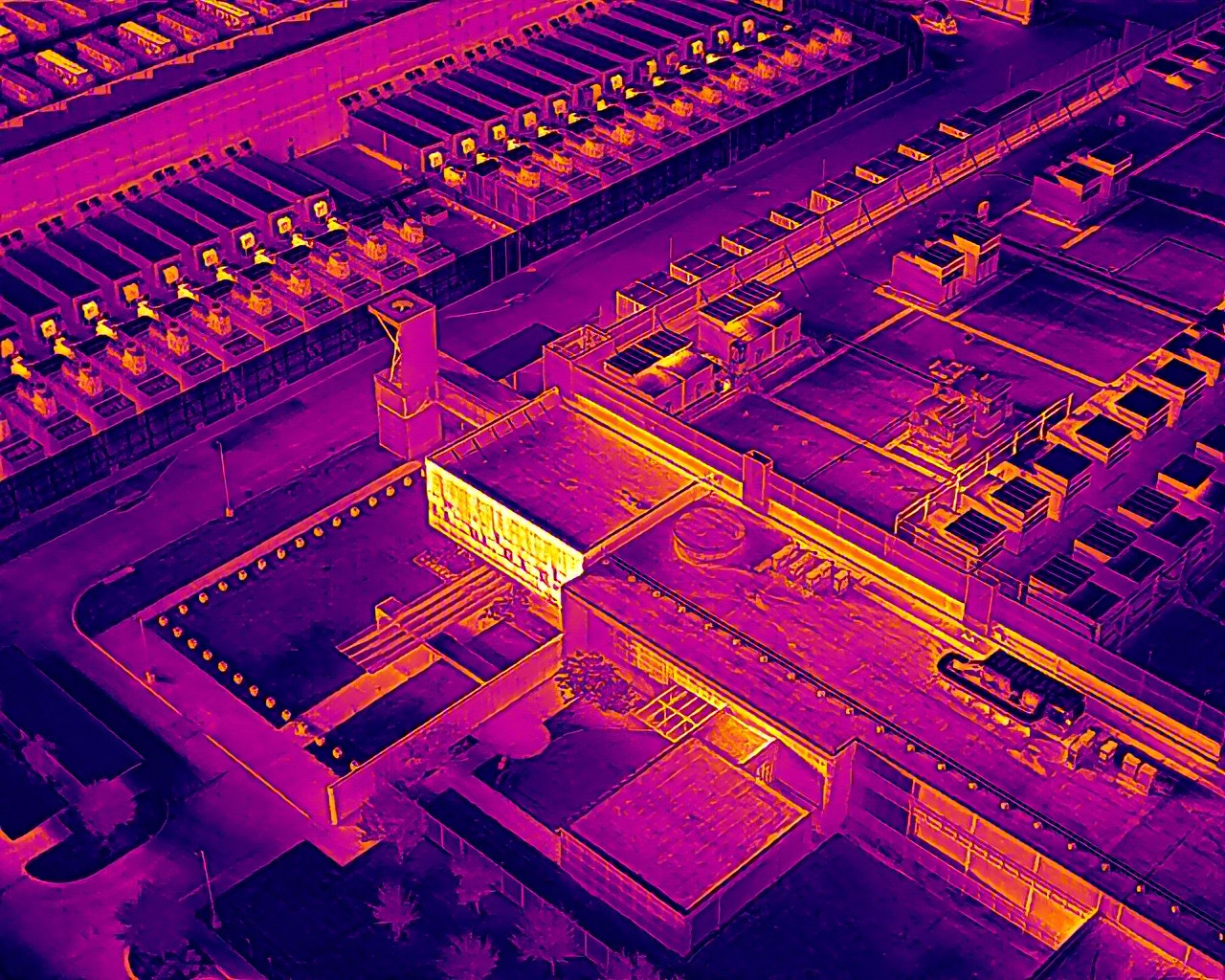
The massive expansion of data centers across the United States, vital for the booming artificial intelligence sector, is facing significant setbacks. A recent analysis, based on satellite imagery and permit documents, indicates that nearly 40 percent of US data center projects may fail to be completed this year as scheduled. This situation raises concerns in Silicon Valley, which is pouring hundreds of billions of dollars into these essential infrastructures.
These ever-larger AI data centers are designed to require as much electricity as hundreds of thousands of US homes. However, their construction is encountering substantial challenges related to labor, power, and equipment, alongside growing local resistance. The Financial Times, in collaboration with geospatial data analytics company SynMax, utilized satellite imagery to assess progress in land clearing and foundation laying.
The investigation also cross-checked this data against public statements and permit documents compiled by the industry research group IIR Energy. This comprehensive analysis revealed that major projects from tech companies such as Microsoft, Oracle, and OpenAI, crucial for their AI operations, are "likely to miss completion dates by more than three months". The scale of these delays could significantly impact these companies' ability to scale their services.
Nearly 40 percent of US data center projects may fail to be completed this year as scheduled.
Industry executives, interviewed by the Financial Times, pointed to several causes for these delays. Among them are "chronic shortages of labor, power and equipment." The complex process of securing the necessary permits also contributes to the slowdown.
Specifically for OpenAI projects, construction executives mentioned a lack of skilled tradespeople. There are not enough electricians and pipe fitters available to work on multiple data center projects simultaneously. This shortage of qualified labor is becoming a critical bottleneck for the rapid expansion demanded by the AI industry.
The situation underscores the complex reality behind the exponential growth of artificial intelligence. Building its physical infrastructure is a monumental challenge requiring unprecedented coordination. Overcoming these hurdles will be key to maintaining the pace of technological innovation.
Keep reading online — scan the code
https://go.tricuatro.com/18sNq
© tricuatro.com
Related articles

TikTok tests AI tool to protect creators from deepfakes
The video platform is rolling out an opt-in feature allowing users to verify their identity and report unauthorized AI-generated likenesses.

Apple Sues OpenAI Over Alleged Hardware Trade Secret Theft
The Cupertino giant accuses former key employees, including Tang Tan, of stealing confidential hardware information for OpenAI's benefit and its expansion into consumer hardware.

Anthropic Tackles AI's Toughest Questions for a Responsible Future
The company launches an initiative to understand public concerns and transparently address the challenges of artificial intelligence development.
Latest news
View all
Sweet Interstellar Discovery: Erythrulose Detected in the Milky Way
Scientists from the Spanish Astrobiology Center have for the first time identified a true sugar, erythrulose, in a gas and dust cloud near our galaxy's center. This finding suggests complex molecules can form before stars and planets are born.

Paramount and Warner Bros. Merger Halted by Judge Over Antitrust Concerns
A coalition of 12 states successfully petitioned Judge Araceli Martinez-Olguin to temporarily block the deal, citing fears of higher prices and reduced content.

MIT Chip Converts Invisible Infrared Light into Crucial Data
MIT researchers developed an innovative chip detecting methane and propane using mid-infrared light, with potential for millions of pixels and optical computing.
Comments (0)
No comments yet. Be the first!
Only registered readers can comment.