
NASA Finds New Organic Compounds in Martian Rocks with Curiosity
Curiosity detected over 20 organic molecules in ancient Martian rocks using an innovative chemical technique, revealing organic survival on Mars.

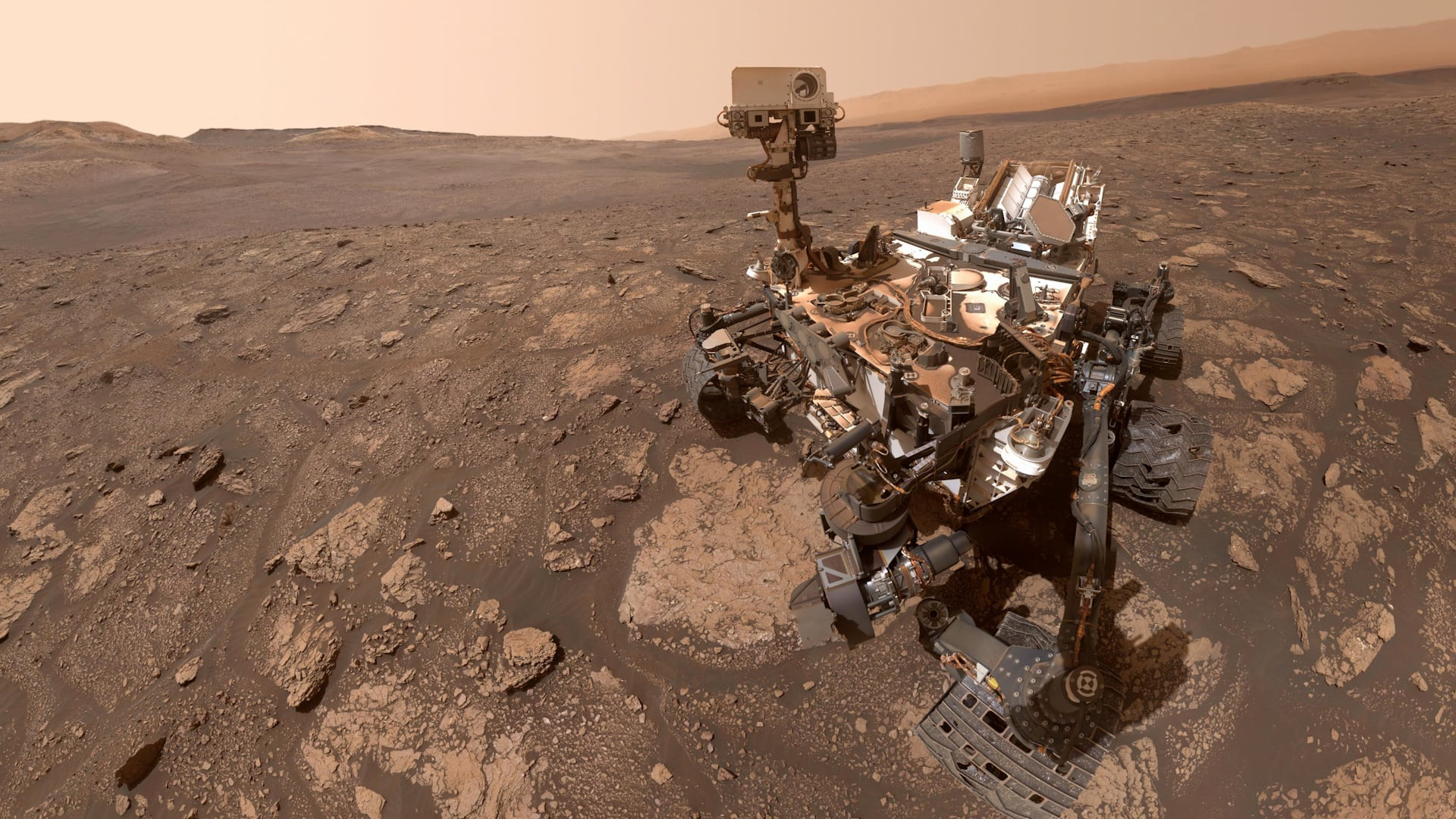
The NASA rover Curiosity discovered organic compounds in ancient rocks on Mars, confirming that organic material can survive billions of years on the red planet. The study, conducted in Gale Crater, employed a novel chemical method that allowed scientists to release and identify organic fragments trapped within the rocks. This breakthrough was made possible through collaboration between institutions in the United States, Mexico, and France, and was published in Nature Communications.
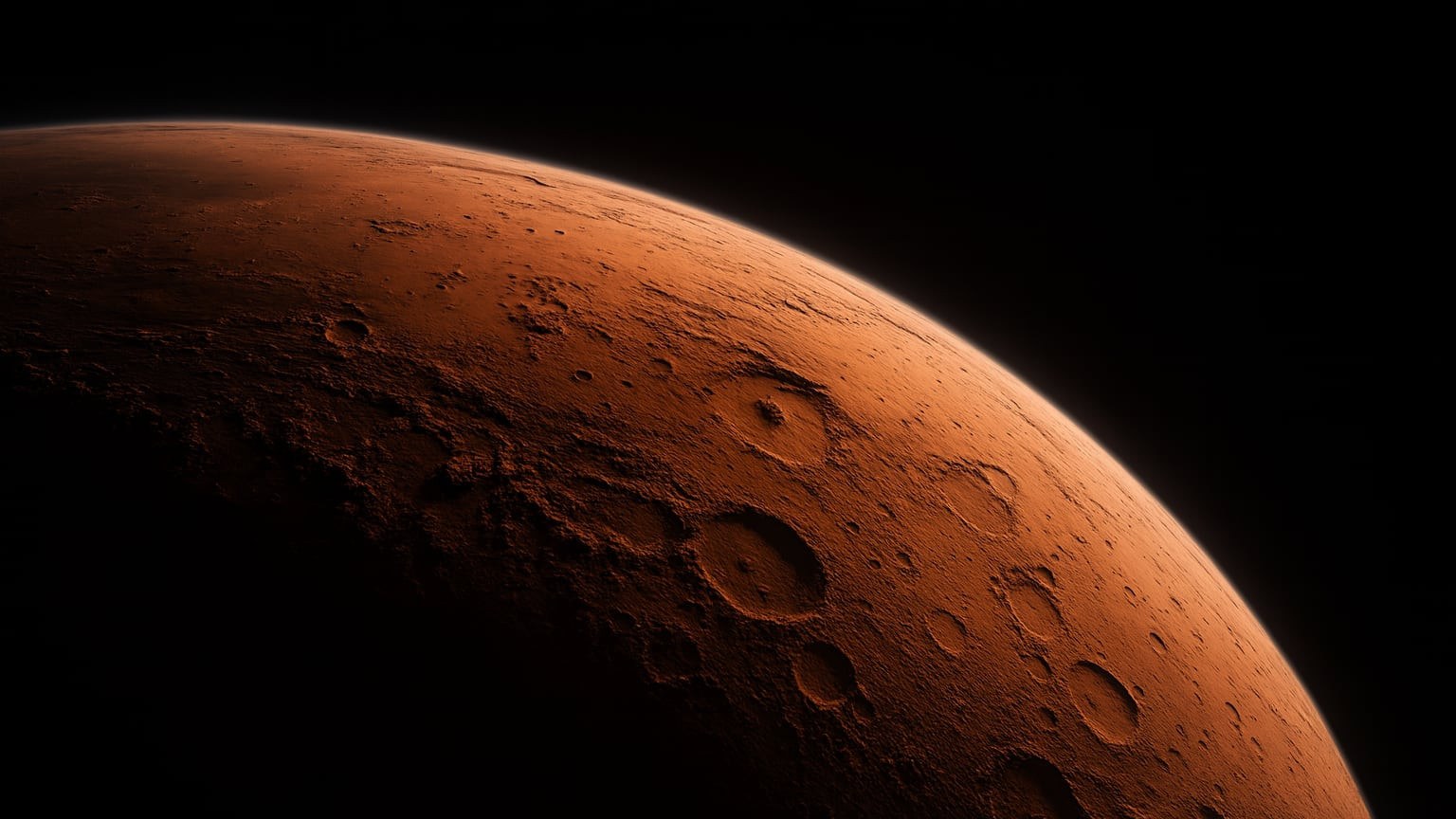
Prior to this, scientists aimed to determine if Mars’s oldest rocks preserved complex organic molecules. Previous studies only found simple compounds, raising questions about minerals' ability to protect organics over such vast timescales. The team focused on an area rich in clay within Gale Crater, where conditions favor the preservation of complex chemicals.
They used a wet chemistry technique with tetramethylammonium hydroxide (TMAH), which breaks chemical bonds and releases organic fragments. The sample was taken from the rock Mary Anning 3, drilled by Curiosity at Knockfarrill Hill. The Sample Analysis at Mars (SAM) instrument heated the sample and added TMAH, enabling the detection of various molecules.
The analysis revealed cyclic and aromatic compounds like benzene, toluene, naphthalene, methyl naphthalene, and trimethylbenzene. The detection of benzothiophene was a significant breakthrough, marking the first confirmation of this molecule on Mars. Additionally, methylbenzoate was identified, demonstrating the technique's effectiveness in detecting complex organics.
This discovery broadens the understanding of Mars’s past habitability and opens new avenues for future missions searching for organic material on the planet.
Keep reading online — scan the code
https://go.tricuatro.com/orTzf
© tricuatro.com
Article topics
Related articles
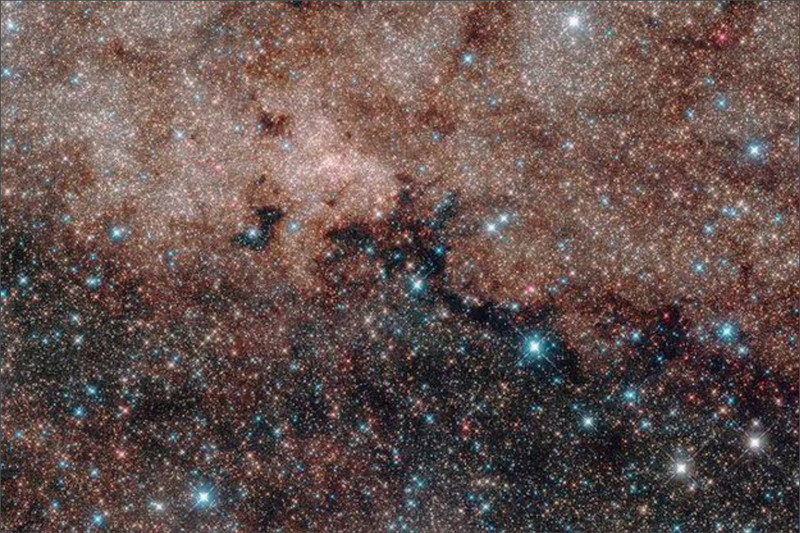
Sweet Interstellar Discovery: Erythrulose Detected in the Milky Way
Scientists from the Spanish Astrobiology Center have for the first time identified a true sugar, erythrulose, in a gas and dust cloud near our galaxy's center. This finding suggests complex molecules can form before stars and planets are born.
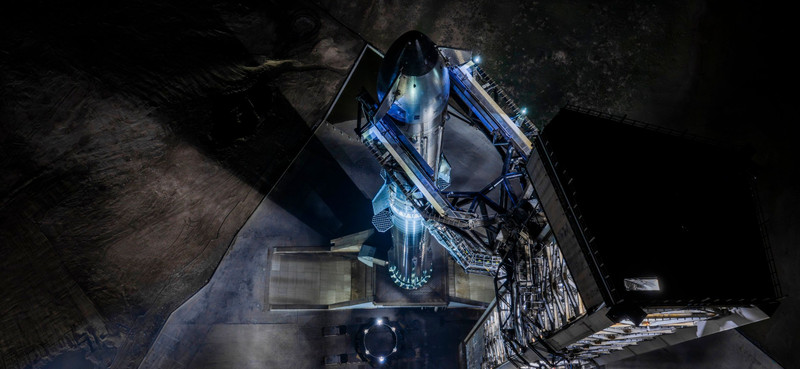
SpaceX Scrubs Starship Test Flight in South Texas
Computer systems detected an anomaly during the Super Heavy booster's engine startup sequence, forcing the mission's abort.
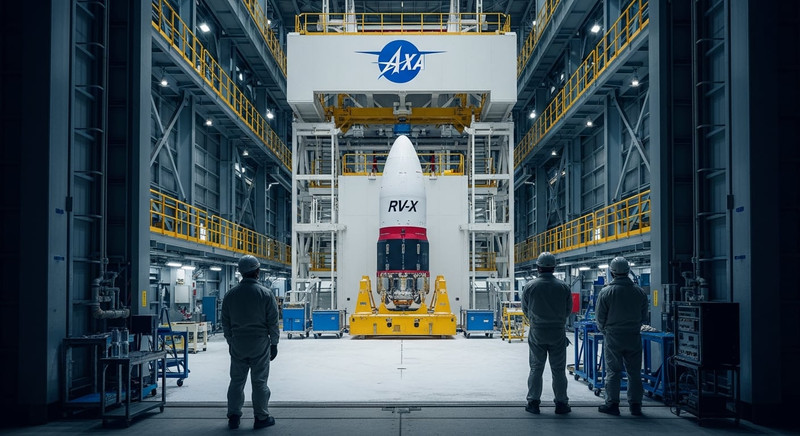
JAXA's RV-X Reusable Rocket Successfully Completes First Flight
Japan's space agency JAXA successfully tested its RV-X prototype, a critical step towards reducing costs and boosting competitiveness in the global space market.
Latest news
View all
Paramount and Warner Bros. Merger Halted by Judge Over Antitrust Concerns
A coalition of 12 states successfully petitioned Judge Araceli Martinez-Olguin to temporarily block the deal, citing fears of higher prices and reduced content.

MIT Chip Converts Invisible Infrared Light into Crucial Data
MIT researchers developed an innovative chip detecting methane and propane using mid-infrared light, with potential for millions of pixels and optical computing.

Assassin's Creed Black Flag Resynced Smashes 3 Million Sales, New Game Plus Announced
Ubisoft's successful re-release of the pirate classic continues to break records, confirming one of the most requested features from the gaming community.
Comments (0)
No comments yet. Be the first!
Only registered readers can comment.