
NASA launches global challenge to produce food for space missions
The agency offers thousands of dollars to develop self-sufficient systems to feed astronauts on Mars and the Moon.

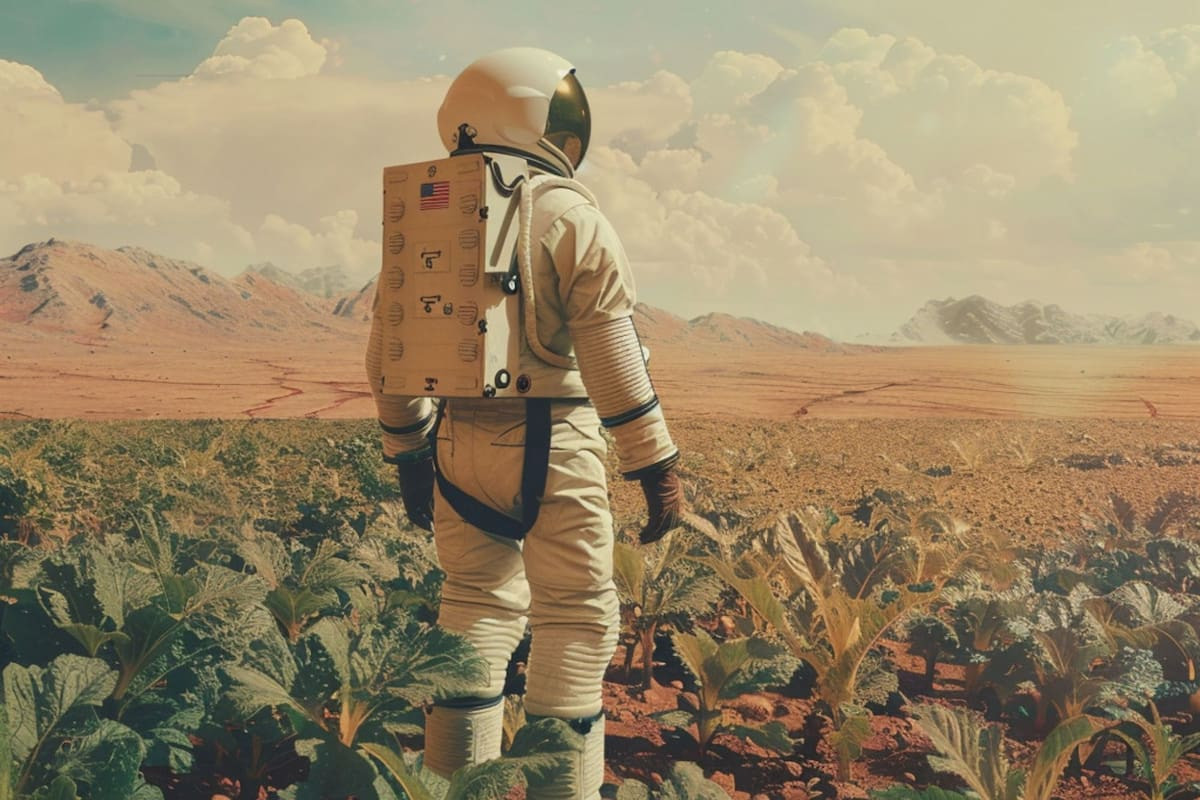
The NASA announced the launch of the _Deep Space Food Challenge: Mars to Table_, an international contest seeking innovative solutions for producing food during long-duration space missions. Open until July 31, 2026, the challenge offers a total of 750,000 dollars in prizes for systems that can feed astronauts without relying on supplies from Earth.
The core issue lies in the scale of future missions, as supply logistics are manageable in Earth's orbit but become impossible over distances exceeding 200 million kilometers to Mars or the Moon. This dependency on constant resupply is both unfeasible and a significant logistical risk, besides being costly.
Travel durations could extend for years, requiring systems that minimize weight and maximize efficiency in harsh environments.
The challenge demands a comprehensive approach that includes production, preparation, storage, safety, and waste management. The goal is to develop systems capable of meeting 100% of crew nutritional needs, using no more than 50% of inputs from Earth.
Participating teams in the US can win up to 300,000 dollars, along with recognition, while international teams can earn awards and official NASA acknowledgment. They must submit detailed plans including a 14-day menu, architectural system design, and a functional Python model compatible with BioSim.
Beyond space, the developed technologies could revolutionize food security in remote areas, disaster zones, polar bases, or fragile supply chains. Creating autonomous systems in extreme conditions may be vital for addressing crises on Earth.
The competition will conclude in September 2026 after evaluations and a final Q&A session with the jury. NASA emphasizes that food palatability and variety are crucial, as nutrition directly impacts crew morale and performance during long missions.
This challenge underscores NASA's commitment to space exploration and innovation in life support systems, aligning with plans for future Mars missions and the Artemis program.
Keep reading online — scan the code
https://go.tricuatro.com/PozVH
© tricuatro.com
Article topics
Related articles
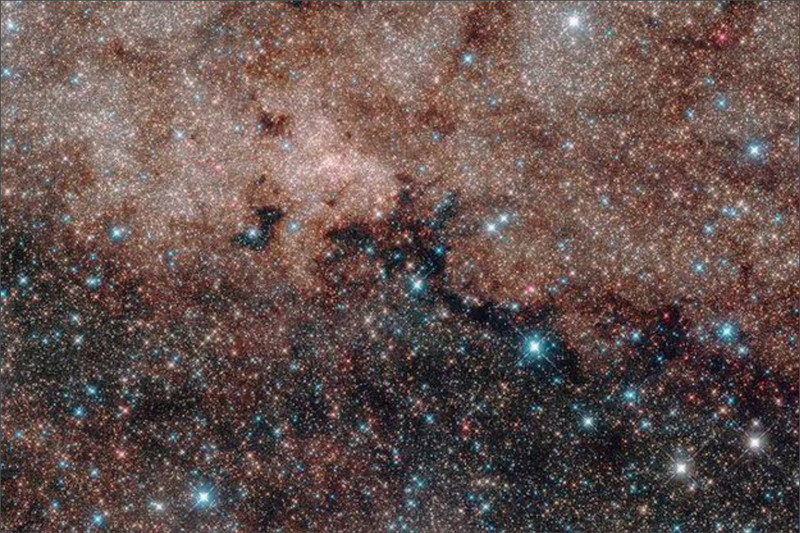
Sweet Interstellar Discovery: Erythrulose Detected in the Milky Way
Scientists from the Spanish Astrobiology Center have for the first time identified a true sugar, erythrulose, in a gas and dust cloud near our galaxy's center. This finding suggests complex molecules can form before stars and planets are born.
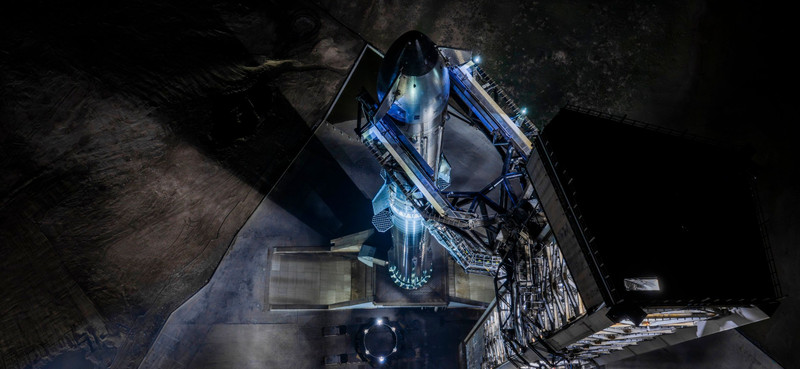
SpaceX Scrubs Starship Test Flight in South Texas
Computer systems detected an anomaly during the Super Heavy booster's engine startup sequence, forcing the mission's abort.
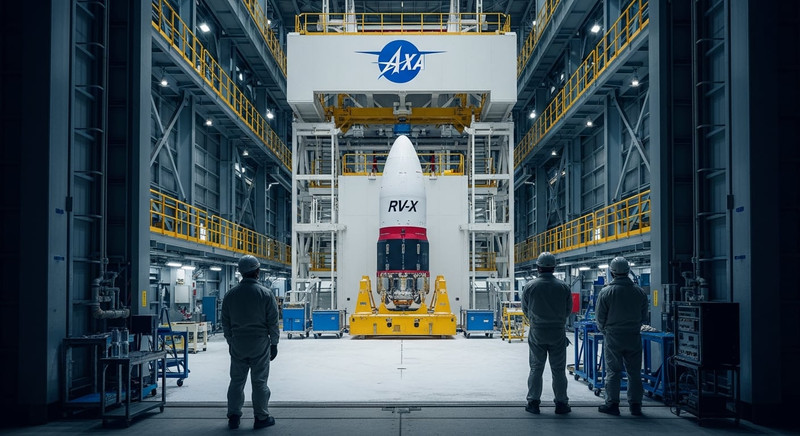
JAXA's RV-X Reusable Rocket Successfully Completes First Flight
Japan's space agency JAXA successfully tested its RV-X prototype, a critical step towards reducing costs and boosting competitiveness in the global space market.
Latest news
View all
Paramount and Warner Bros. Merger Halted by Judge Over Antitrust Concerns
A coalition of 12 states successfully petitioned Judge Araceli Martinez-Olguin to temporarily block the deal, citing fears of higher prices and reduced content.

MIT Chip Converts Invisible Infrared Light into Crucial Data
MIT researchers developed an innovative chip detecting methane and propane using mid-infrared light, with potential for millions of pixels and optical computing.

Assassin's Creed Black Flag Resynced Smashes 3 Million Sales, New Game Plus Announced
Ubisoft's successful re-release of the pirate classic continues to break records, confirming one of the most requested features from the gaming community.
Comments (0)
No comments yet. Be the first!
Only registered readers can comment.