
NASA TESS uncovers over 25 potential exoplanets in binary systems
A new method based on mutual eclipses in binary stars allows TESS to detect worlds beyond our solar system, expanding its discovery capabilities.


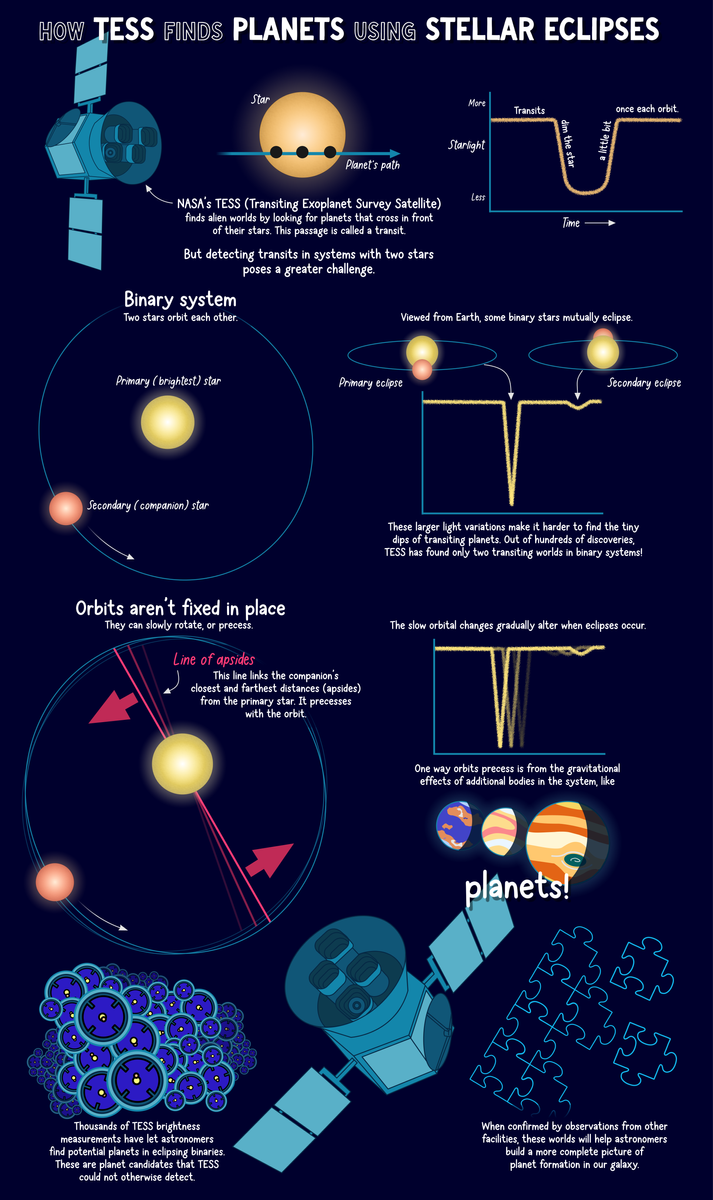
NASA's TESS (Transiting Exoplanet Survey Satellite) has identified more than 25 candidate exoplanets orbiting binary star systems, where two stars orbit each other. This breakthrough was achieved by analyzing the timing of their mutual eclipses, a technique that reveals planets that traditional transit methods might miss.
To date, TESS has confirmed 885 exoplanets and found over 7,900 candidates, mostly through the detection of transits—small dips in a star's brightness when a planet crosses in front of it. The satellite also observes thousands of eclipsing binary stars, where the stars periodically block each other's light, and these events can be influenced by unseen planets.
The research, published in May in the Monthly Notices of the Royal Astronomical Society, shows that gravitational interactions, rotation, and the presence of hidden masses can cause the orbital plane of the binary to precess. These shifts in the orbit's orientation help identify planets indirectly, even if they don't transit the stars from our viewpoint.
Understanding how planets are oriented in binary systems provides clues about their formation. Some models suggest planets form near the orbital plane of the stars, increasing transit chances, while others propose a more chaotic process, resulting in tilted orbits less likely to produce transits.
This innovative approach opens new pathways for discovering worlds in complex stellar environments, where star interactions previously limited detection methods.
Keep reading online — scan the code
https://go.tricuatro.com/s68aX
© tricuatro.com
Article topics
Related articles
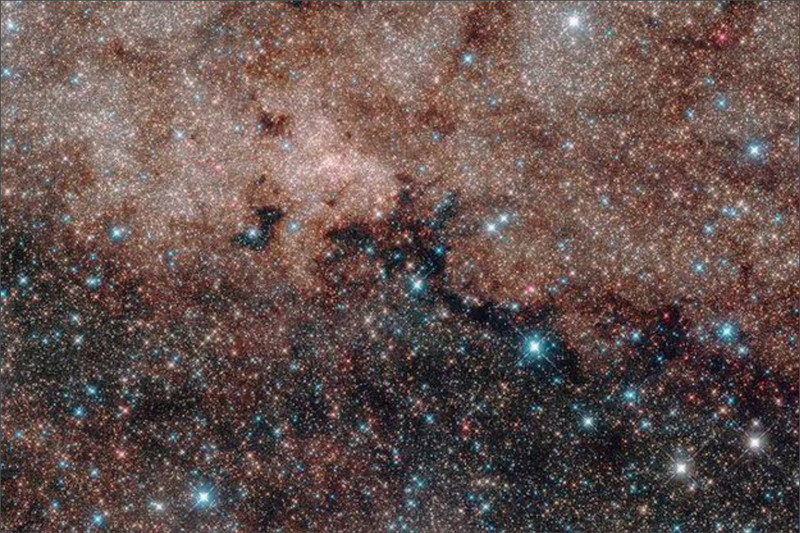
Sweet Interstellar Discovery: Erythrulose Detected in the Milky Way
Scientists from the Spanish Astrobiology Center have for the first time identified a true sugar, erythrulose, in a gas and dust cloud near our galaxy's center. This finding suggests complex molecules can form before stars and planets are born.
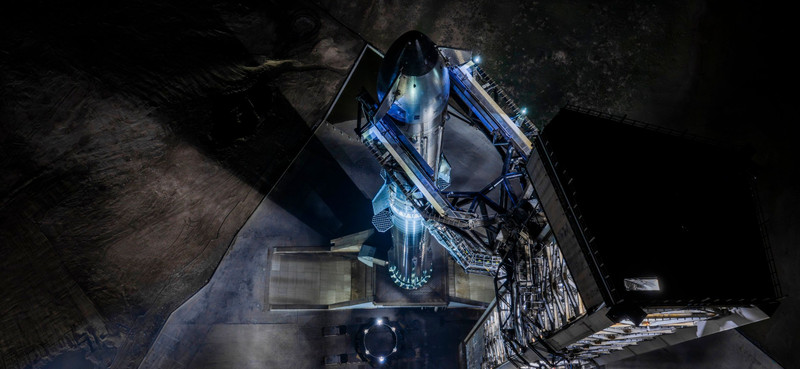
SpaceX Scrubs Starship Test Flight in South Texas
Computer systems detected an anomaly during the Super Heavy booster's engine startup sequence, forcing the mission's abort.
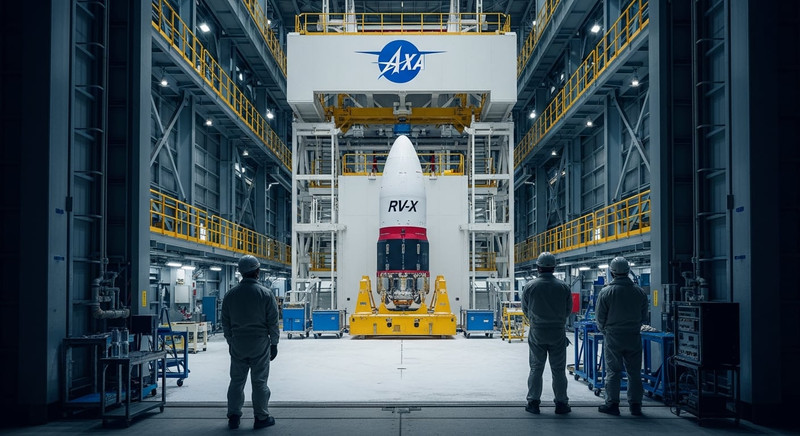
JAXA's RV-X Reusable Rocket Successfully Completes First Flight
Japan's space agency JAXA successfully tested its RV-X prototype, a critical step towards reducing costs and boosting competitiveness in the global space market.
Latest news
View all
Paramount and Warner Bros. Merger Halted by Judge Over Antitrust Concerns
A coalition of 12 states successfully petitioned Judge Araceli Martinez-Olguin to temporarily block the deal, citing fears of higher prices and reduced content.

MIT Chip Converts Invisible Infrared Light into Crucial Data
MIT researchers developed an innovative chip detecting methane and propane using mid-infrared light, with potential for millions of pixels and optical computing.

Assassin's Creed Black Flag Resynced Smashes 3 Million Sales, New Game Plus Announced
Ubisoft's successful re-release of the pirate classic continues to break records, confirming one of the most requested features from the gaming community.
Comments (0)
No comments yet. Be the first!
Only registered readers can comment.