
National Geographic Museum of Exploration Opens in Washington D.C.
With a US$300 million investment, the new space offers immersive experiences and a journey through 138 years of discoveries, inviting visitors to become explorers.

Washington D.C. has just welcomed a new gem: the brand-new National Geographic Museum of Exploration, which opened its doors on June 26. With a US$300 million investment and covering approximately 9,300 square meters, this new venue replaces the society's former museum, closed in 2023, and promises a completely revamped experience to relive 138 years of groundbreaking discoveries.
Since its founding in 1888 as a non-profit organization, the National Geographic Society has been a beacon for scientists, educators, conservationists, and storytellers, supporting thousands of "explorers" with the aim of "illuminating and protecting the wonders of our world." This new museum encapsulates that mission, transforming a visit into an interactive, hands-on adventure.
Far from being a mere "look but don't touch" archive, the museum offers an immersive journey. Its galleries allow visitors to step into the shoes of explorers, featuring engaging projection rooms and interactive exhibits designed for all ages, as confirmed by CNN during a preview visit before the inauguration.
"This museum tells the story of extraordinary people who have explored, from our founding in 1888 to those doing fieldwork today," Emily Dunham, director of campus and experiences, told CNN.
Before entering the museum, located next to the society's headquarters, visitors are greeted by a courtyard filled with life-sized animal sculptures. A jaguar stalks a capybara, while a penguin cares for its chick, offering a first immersion into the planet's diverse habitats and the crucial role of wildlife.
The lobby, with its curved wooden walls and a circular skylight bathing the space in natural light, comes alive with vibrant videos of glaciers, ocean trenches, and remote nomadic communities. It's a striking visual introduction to the magnitude of exploration National Geographic has documented.
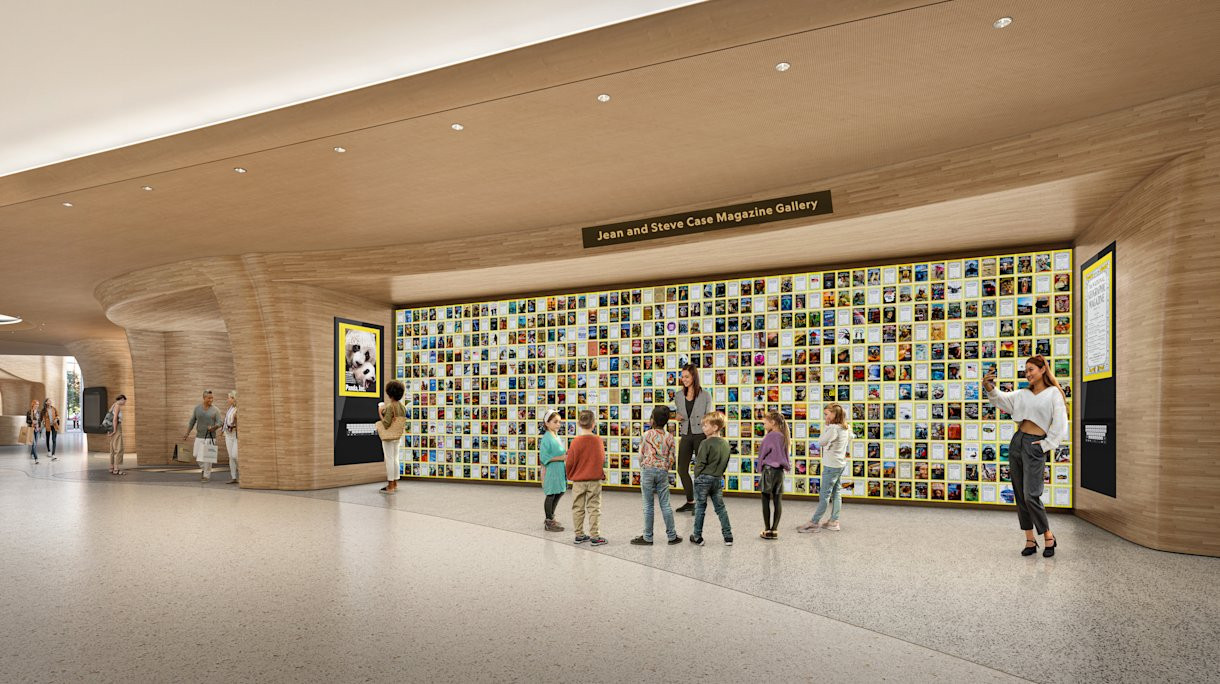
The ground floor pays a heartfelt tribute to the photographic legacy that has defined National Geographic for over a century. Visitors can explore a massive digital wall showcasing every magazine cover published since 1888, or delve into the process of creating a story, from field assignment to publication, and even experience a digital darkroom.
One of the most prominent exhibitions is "In Focus," displaying the magazine's most iconic images. From the earliest nocturnal wildlife photographs to a caregiver's poignant farewell to Sudan, the last male northern white rhinoceros who passed away in 2018, each image tells a profound story.
For younger visitors, the museum is an adventure in itself. A bookcase opens to reveal a hidden passageway to learning zones, including the "Jack and Laura Dangermond | Esri Geoverse." This 270-degree projection room transports visitors to remote locations like the cloud forests of Peru and the deserts of Australia, offering rotating shows for all ages.
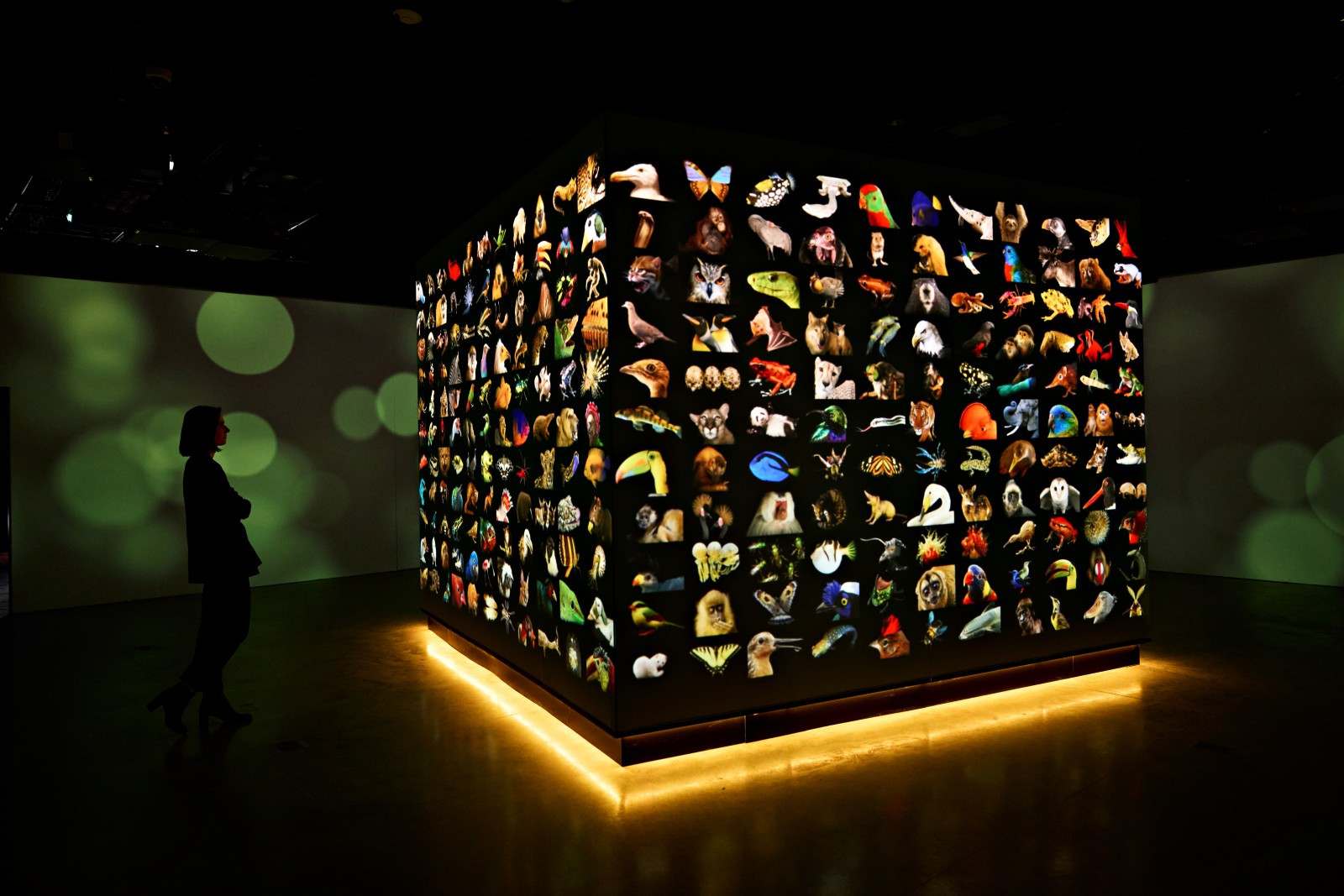
Nearby, the "Photo Ark: Animals of Earth" gallery showcases Joel Sartore's decades-long project to photograph all species under human care. To date, Sartore has documented over 18,000 species, hoping to inspire people to protect endangered ones before it's too late.
On the upper floor, the "Rolex Explorers Landing" space invites visitors to experience being a National Geographic explorer. It highlights personal stories and the equipment used in expeditions, such as the binoculars belonging to Steve Boyes' grandfather, who has mapped the Okavango basin for a decade, or the mokoro that accumulated "32,000 kilometers of exploration" during his missions.
Among the most fascinating exhibits is a replica of the JIM diving suit, used by oceanographer Sylvia Earle in 1979 to walk untethered at a depth of approximately 380 meters. This record, still standing according to Guinness World Records, represents a significant milestone in underwater exploration. Also on display is the gondola of Explorer II, a high-altitude balloon that reached over 22,000 meters during an upper atmosphere study mission in 1935.
When the museum doors close to the public, the adventure doesn't end. "Every night ends in the courtyard, where the building's facade becomes a canvas," explained Dunham. Spectacular projections of humpback whales and virtual penguins transform the space, filling it with marine life and immersing viewers in the "Wonders of Our World: Ocean."
The museum's ultimate goal is clear: to inspire action. "People shouldn't just come here to see what we do," explorer and penguin biologist Pablo "Popi" García Borboroglu told CNN. "They need to feel they can be explorers in their own backyard, in their parks. When you explore, you discover and value the species that live with you; and then you want to protect them."
Keep reading online — scan the code
https://go.tricuatro.com/national
© tricuatro.com
Article topics
Related articles
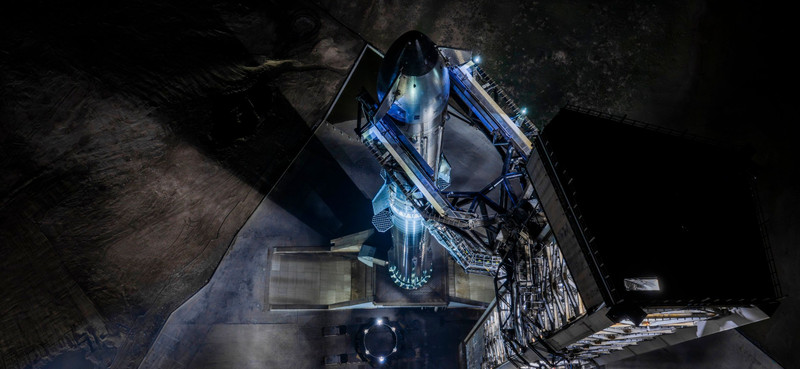
SpaceX Scrubs Starship Test Flight in South Texas
Computer systems detected an anomaly during the Super Heavy booster's engine startup sequence, forcing the mission's abort.
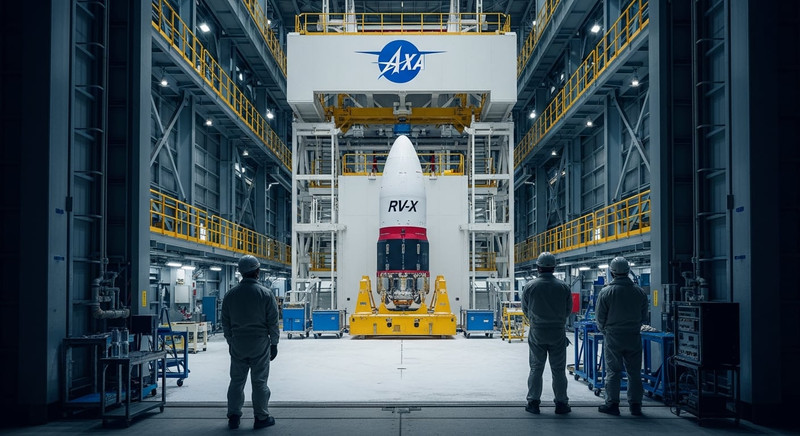
JAXA's RV-X Reusable Rocket Successfully Completes First Flight
Japan's space agency JAXA successfully tested its RV-X prototype, a critical step towards reducing costs and boosting competitiveness in the global space market.
China's Great Green Wall: Artificial Forests Outpace Natural Growth
China planted 66 billion trees over nearly half a century to combat desertification, and a new study shows they grow faster than natural forests, albeit with important nuances.
Latest news
View all
MIT Chip Converts Invisible Infrared Light into Crucial Data
MIT researchers developed an innovative chip detecting methane and propane using mid-infrared light, with potential for millions of pixels and optical computing.

Assassin's Creed Black Flag Resynced Smashes 3 Million Sales, New Game Plus Announced
Ubisoft's successful re-release of the pirate classic continues to break records, confirming one of the most requested features from the gaming community.

TikTok tests AI tool to protect creators from deepfakes
The video platform is rolling out an opt-in feature allowing users to verify their identity and report unauthorized AI-generated likenesses.
Comments (0)
No comments yet. Be the first!
Only registered readers can comment.