
NVIDIA warns: AI can be more expensive than traditional workers
As AI adoption accelerates, experts highlight that its true cost may surpass human labor expenses. The perceived savings might be misleading without full cost analysis.

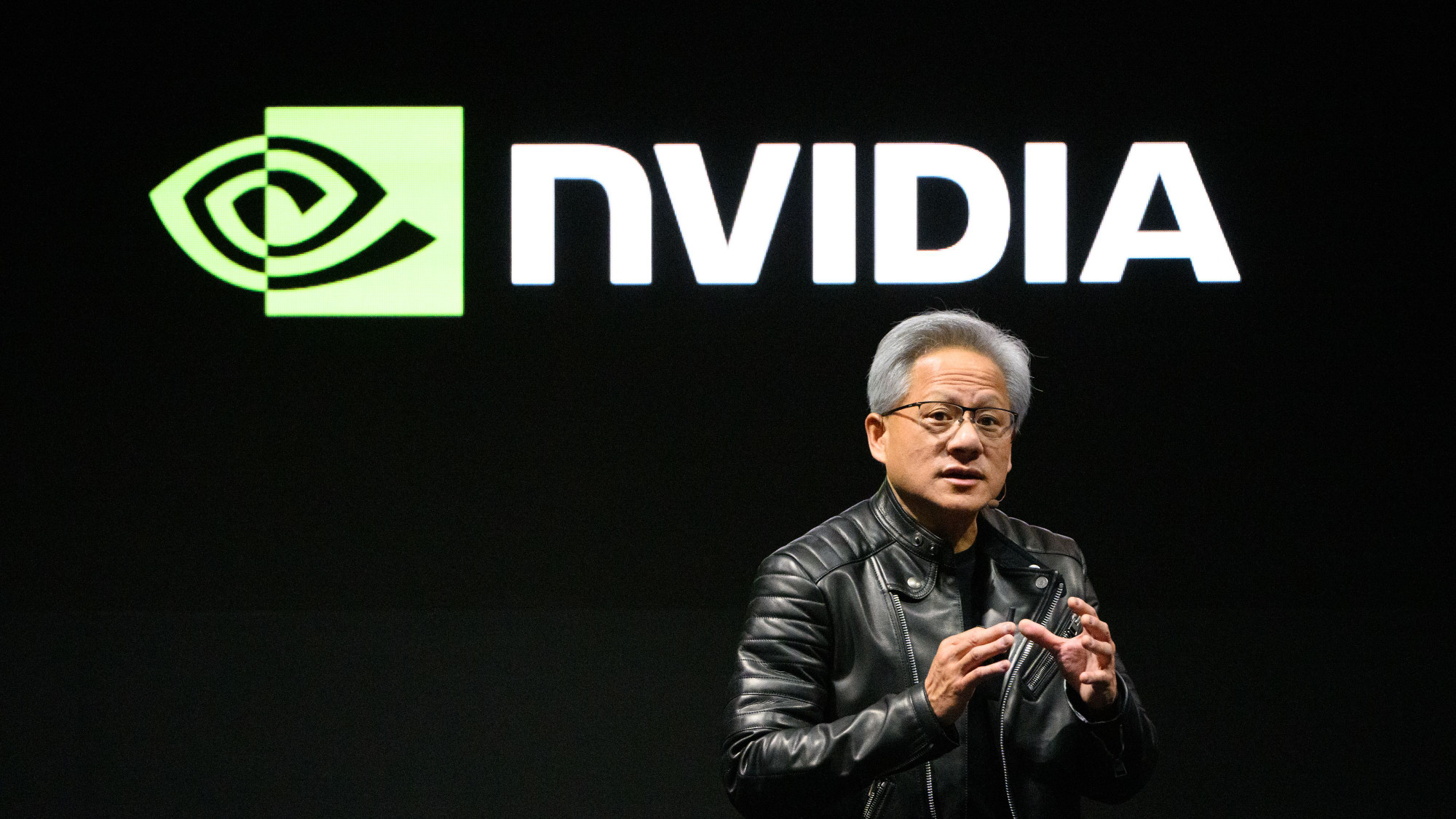
The use of artificial intelligence (AI) has rapidly expanded across workplaces and daily life. Recent data shows that in 2023, 21% of American workers used AI at work, with projections reaching 50% by 2026. However, this widespread adoption brings growing job uncertainty, as many companies plan to replace employees with AI systems.
High-level statements, like those from NVIDIA executives, reveal a harsh reality: AI can be more costly than paying human workers. This is because companies often overlook the actual expense of tokens, which are processing units used by AI models to generate responses or perform tasks.
When generative AI first gained popularity, many firms fired staff and replaced them with AI, often without considering that early AI errors and limitations could lead to worse outcomes and higher long-term costs. Now, with more advanced technology, the debate over costs remains relevant.
Experts such as Bryan Catanzaro from NVIDIA and Praveen Naga from Uber agree that, in some cases, AI expenses can surpass employee wages. For instance, Uber reports that 11% of real-time code updates are performed by AI agents, but token costs can escalate quickly.
A notable case is Amos Bar-Joseph from Swan AI, who spent over $113,000 on tokens from Anthropic Claude in just one month, with a team of four people. This amounts to roughly $28,000 per person, far more than a monthly subscription to services like ChatGPT Pro.
The key point is that token costs vary greatly depending on the model and function used, and these expenses can reach thousands or even tens of thousands of dollars monthly for small teams. The idea that AI is always cheaper than human labor can be an illusion if all costs are not properly considered.
Token costs can surpass employee expenses, and many companies ignore this, leading to much higher spending than expected.
Ultimately, adopting AI requires careful analysis of its real costs, which go well beyond subscription fees. Investing in advanced technology and token management can make AI more expensive than hiring personnel, and companies need to be prepared for this reality.
Keep reading online — scan the code
https://go.tricuatro.com/zpUjE
© tricuatro.com
Article topics
Related articles

TikTok tests AI tool to protect creators from deepfakes
The video platform is rolling out an opt-in feature allowing users to verify their identity and report unauthorized AI-generated likenesses.

Apple Sues OpenAI Over Alleged Hardware Trade Secret Theft
The Cupertino giant accuses former key employees, including Tang Tan, of stealing confidential hardware information for OpenAI's benefit and its expansion into consumer hardware.

Anthropic Tackles AI's Toughest Questions for a Responsible Future
The company launches an initiative to understand public concerns and transparently address the challenges of artificial intelligence development.
Latest news
View all
Sweet Interstellar Discovery: Erythrulose Detected in the Milky Way
Scientists from the Spanish Astrobiology Center have for the first time identified a true sugar, erythrulose, in a gas and dust cloud near our galaxy's center. This finding suggests complex molecules can form before stars and planets are born.

Paramount and Warner Bros. Merger Halted by Judge Over Antitrust Concerns
A coalition of 12 states successfully petitioned Judge Araceli Martinez-Olguin to temporarily block the deal, citing fears of higher prices and reduced content.

MIT Chip Converts Invisible Infrared Light into Crucial Data
MIT researchers developed an innovative chip detecting methane and propane using mid-infrared light, with potential for millions of pixels and optical computing.
Comments (0)
No comments yet. Be the first!
Only registered readers can comment.