
OpenAI Unveils "Mercury": New AI Model to Accelerate Drug Discovery
The artificial intelligence company has released an early version of its "Mercury" project. This model aims to revolutionize drug creation and boost scientific breakthroughs.

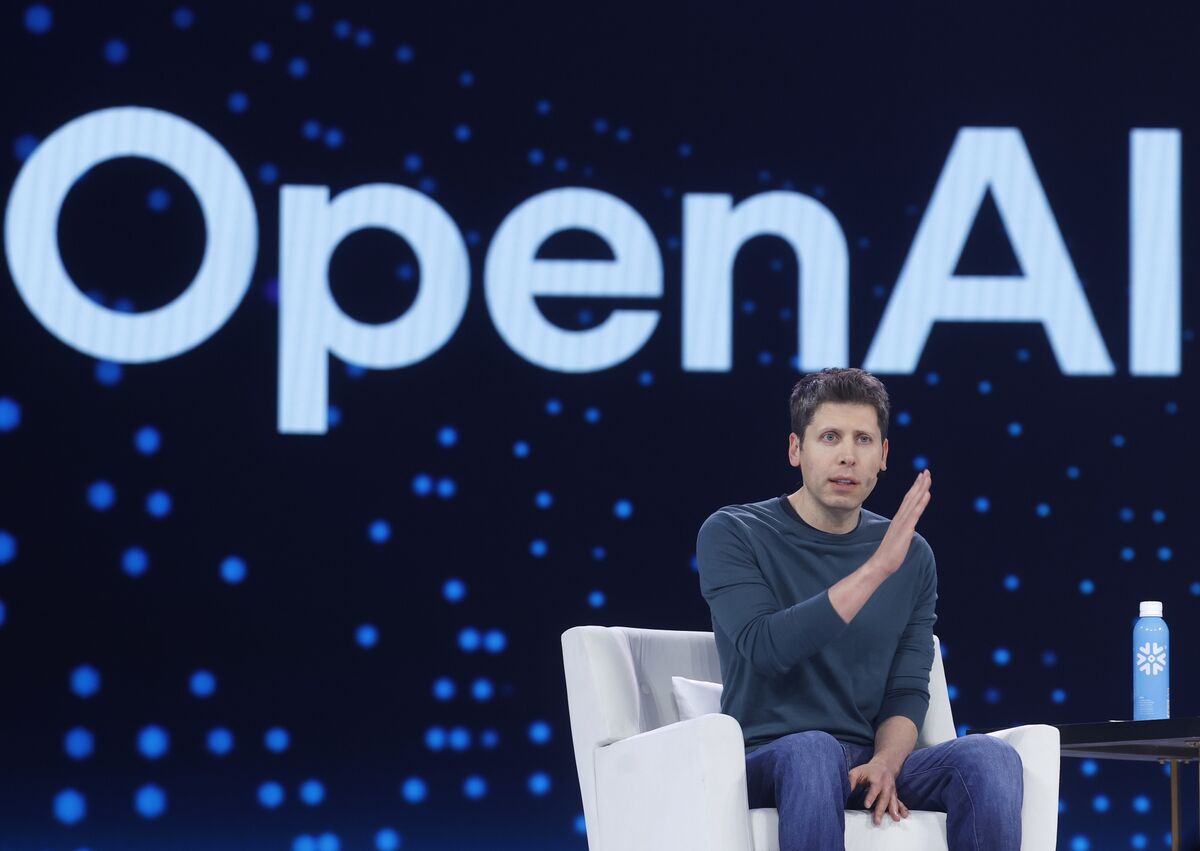
OpenAI has unveiled an early version of a new artificial intelligence model. This innovation aims to significantly accelerate drug discovery processes, a critical area for global health. The project, internally codenamed "Mercury," places OpenAI firmly in a burgeoning field for tech companies.
The primary goal of "Mercury" is to demonstrate how AI can pave the way for significant scientific breakthroughs. It joins other technology firms exploring AI's potential in medical research. The scientific community is closely watching these developments.
This project underscores the urgency at OpenAI, led by Sam Altman, to make its technology more useful to businesses. Applying AI in sectors like pharmaceuticals opens new business avenues. Furthermore, it promises solutions to complex human challenges.
The "Mercury" initiative aims to demonstrate how AI can pave the way for significant scientific breakthroughs.
Traditional drug discovery is typically a lengthy and expensive process. It demands years of extensive research and testing. An AI model can analyze vast volumes of molecular and biological data. This allows for the much more efficient identification of drug candidates.
Artificial intelligence's ability to simulate molecular interactions is crucial. It can also predict the efficacy and safety of compounds. This could drastically reduce the development times for new treatments. Consequently, vital medications would reach patients faster.
With "Mercury," OpenAI not only seeks to innovate in the healthcare sector. It also aims to solidify its role as a leader in the practical application of AI. This step marks a significant milestone at the intersection of cutting-edge technology and medical science.
Keep reading online — scan the code
https://go.tricuatro.com/ZUAiu
© tricuatro.com
Article topics
Related articles

TikTok tests AI tool to protect creators from deepfakes
The video platform is rolling out an opt-in feature allowing users to verify their identity and report unauthorized AI-generated likenesses.

Apple Sues OpenAI Over Alleged Hardware Trade Secret Theft
The Cupertino giant accuses former key employees, including Tang Tan, of stealing confidential hardware information for OpenAI's benefit and its expansion into consumer hardware.

Anthropic Tackles AI's Toughest Questions for a Responsible Future
The company launches an initiative to understand public concerns and transparently address the challenges of artificial intelligence development.
Latest news
View all
Sweet Interstellar Discovery: Erythrulose Detected in the Milky Way
Scientists from the Spanish Astrobiology Center have for the first time identified a true sugar, erythrulose, in a gas and dust cloud near our galaxy's center. This finding suggests complex molecules can form before stars and planets are born.

Paramount and Warner Bros. Merger Halted by Judge Over Antitrust Concerns
A coalition of 12 states successfully petitioned Judge Araceli Martinez-Olguin to temporarily block the deal, citing fears of higher prices and reduced content.

MIT Chip Converts Invisible Infrared Light into Crucial Data
MIT researchers developed an innovative chip detecting methane and propane using mid-infrared light, with potential for millions of pixels and optical computing.
Comments (0)
No comments yet. Be the first!
Only registered readers can comment.