
Physicists Resolve the Long-Standing Proton Size Puzzle
After years of conflicting measurements, new experimental data confirms a smaller proton radius, closing a significant chapter in fundamental physics.

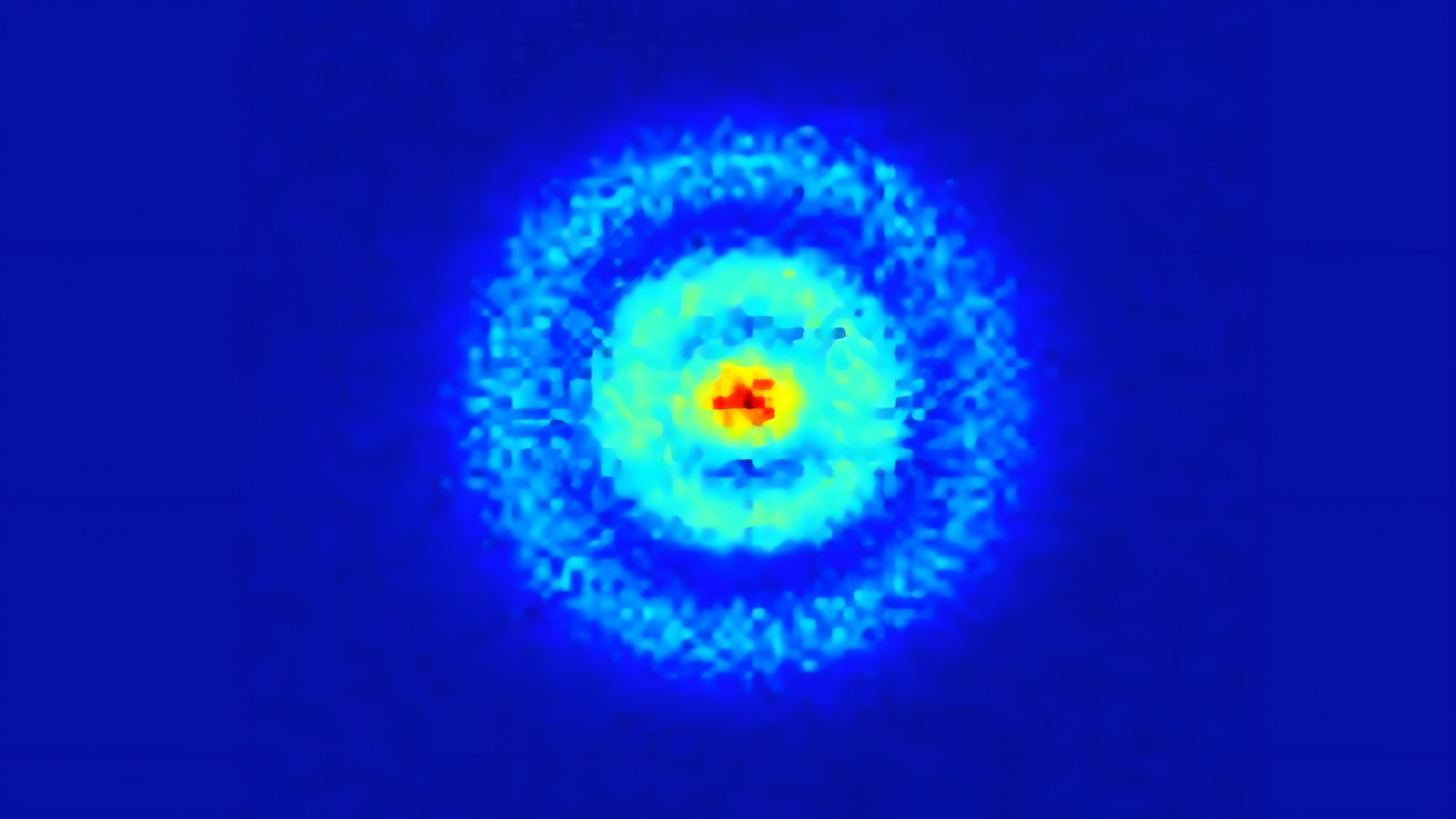
The scientific community has made a significant breakthrough, resolving the "proton radius puzzle" that has challenged physicists for the past fifteen years. New experimental measurements, published in the prestigious journals "Nature" and "Physical Review Letters", indicate that the proton is smaller than previously thought. This finding concludes a discrepancy that once hinted at the exciting possibility of "new physics" beyond our current standard model.
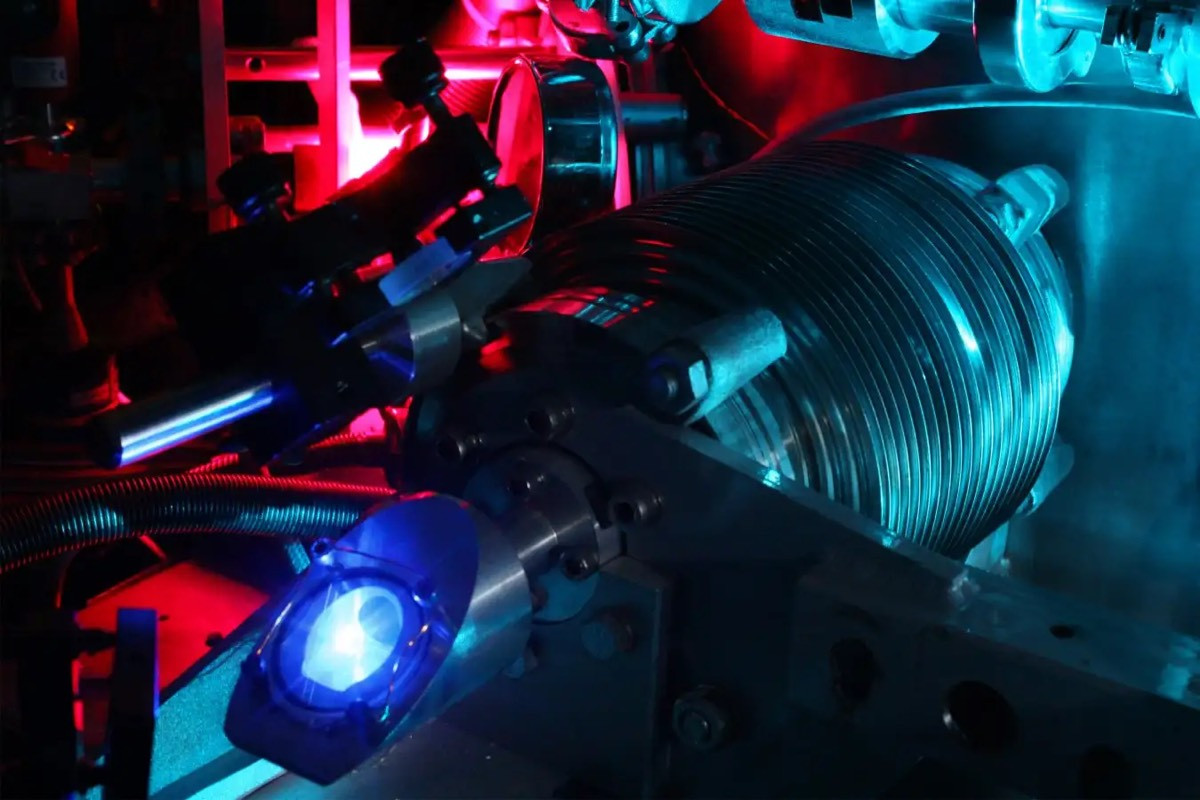
For a considerable time, measurements of the hydrogen atom's proton charge radius yielded conflicting results. Some experiments confirmed predictions from our strongest theoretical models. Others, however, consistently suggested a smaller size, creating substantial tension within the physics community. This inconsistency presented a genuine puzzle for those studying fundamental particles.
Now, the evidence strongly favors a reduced proton radius. The latest research has unified these results, dispelling the need to seek explanations in unknown physical phenomena. Lothar Maisenbacher from the University of California, Berkeley, a co-author of one of the "Nature" papers, stated definitively: "We believe this is the final nail in the coffin of the proton radius puzzle".
To grasp the significance of this discovery, it's crucial to recall how we visualize the atom. While the popular Bohr model depicts electrons orbiting the nucleus in neat circles, quantum mechanics offers a far more precise description. Electrons do not orbit in fixed paths; they behave as waves that acquire particle-like properties when measured.
In reality, electrons exist in a superposition of states, simultaneously wave and particle. Their wave function encompasses all probabilities of their position at any given moment. A measurement collapses this function, revealing the electron's location. By performing a series of such measurements, scientists obtain a fuzzy, orbit-like pattern, which allows for the determination of the proton's charge radius within the nucleus.
This consensus on the proton's size strengthens our understanding of matter at fundamental scales. Although "new physics" wasn't discovered in this particular instance, the resolution of the puzzle showcases the precision and rigor of scientific inquiry. It stands as a testament to the power of experimentation in refining and validating our models of the universe!
Keep reading online — scan the code
https://go.tricuatro.com/GQMA7
© tricuatro.com
Article topics
Related articles
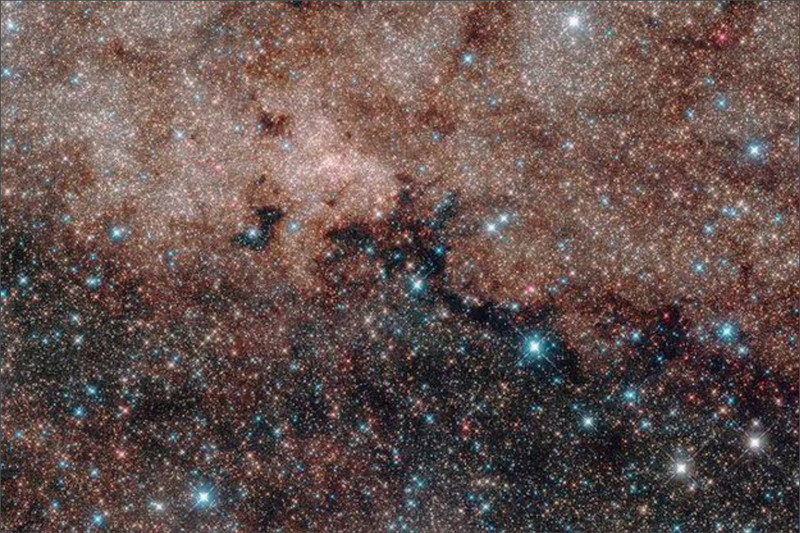
Sweet Interstellar Discovery: Erythrulose Detected in the Milky Way
Scientists from the Spanish Astrobiology Center have for the first time identified a true sugar, erythrulose, in a gas and dust cloud near our galaxy's center. This finding suggests complex molecules can form before stars and planets are born.
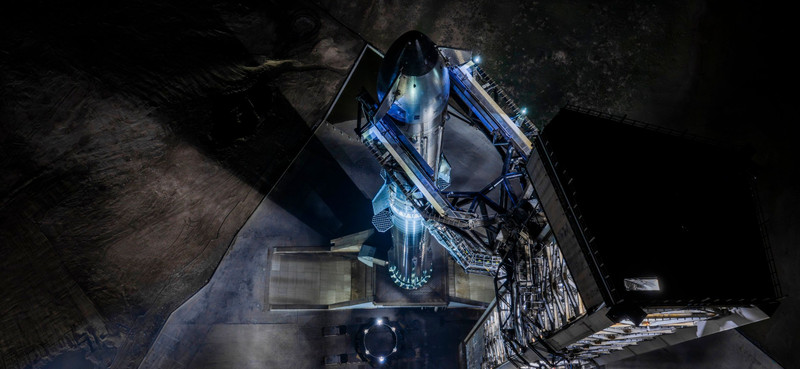
SpaceX Scrubs Starship Test Flight in South Texas
Computer systems detected an anomaly during the Super Heavy booster's engine startup sequence, forcing the mission's abort.

JAXA's RV-X Reusable Rocket Successfully Completes First Flight
Japan's space agency JAXA successfully tested its RV-X prototype, a critical step towards reducing costs and boosting competitiveness in the global space market.
Latest news
View all
Paramount and Warner Bros. Merger Halted by Judge Over Antitrust Concerns
A coalition of 12 states successfully petitioned Judge Araceli Martinez-Olguin to temporarily block the deal, citing fears of higher prices and reduced content.
MIT Chip Converts Invisible Infrared Light into Crucial Data
MIT researchers developed an innovative chip detecting methane and propane using mid-infrared light, with potential for millions of pixels and optical computing.

Assassin's Creed Black Flag Resynced Smashes 3 Million Sales, New Game Plus Announced
Ubisoft's successful re-release of the pirate classic continues to break records, confirming one of the most requested features from the gaming community.
Comments (0)
No comments yet. Be the first!
Only registered readers can comment.