
Record Metal Concentration Discovered in Mars Crater Gale
A new international study uncovers unprecedented levels of iron, manganese, and zinc in a rock layer of Gale Crater, hinting at past habitable conditions.

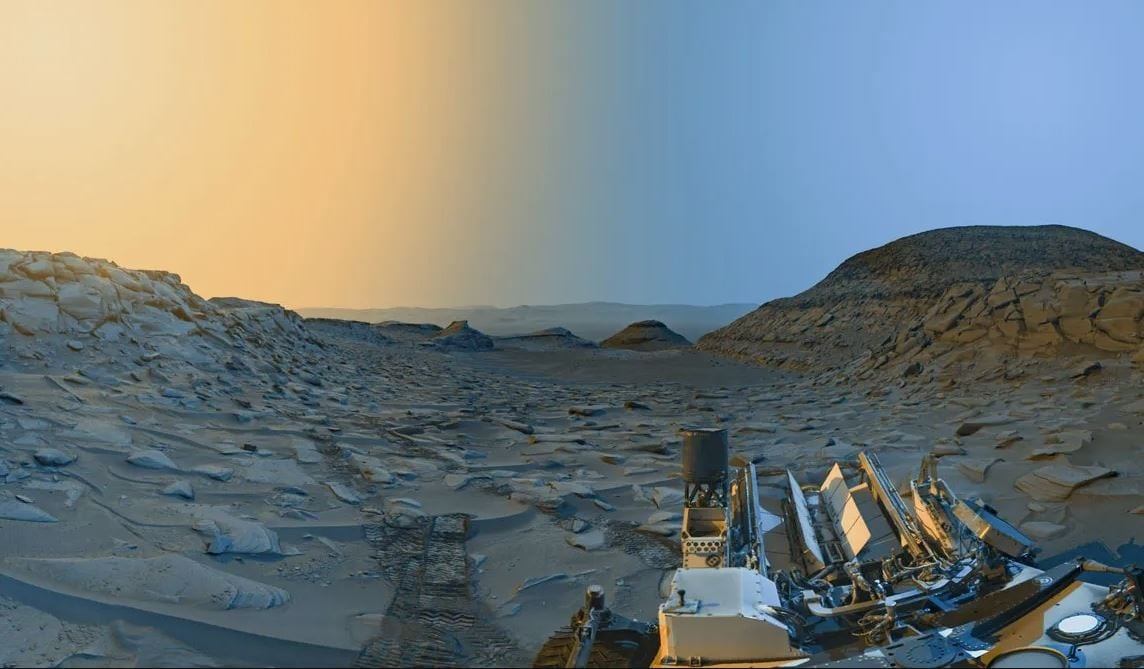
A team of scientists led by the Los Alamos National Laboratory uncovered an unprecedented concentration of metals on Mars, thanks to data from NASA's Curiosity rover. The discovery took place in a thin rock layer called the Amapari Marker Band, located within Gale Crater, where record levels of iron, manganese, and zinc were detected.
These metals, found in amounts far exceeding previous Martian samples, were identified in a 50-centimeter-thick layer using Curiosity's ChemCam and APXS instruments. Their presence suggests that the area may have experienced chemical conditions similar to Earth environments where microbial life thrives.
The shape of the rocks and their morphology imply that a shallow lake existed there millions of years ago. Fossilized ripples, which only form in liquid water and wind, confirm past water activity on the surface. Over time, water levels rose, depositing thicker sediments that extended over 80 kilometers and reached depths of up to 1.5 kilometers in some regions.
This discovery is particularly significant because of the role these metals play in biological processes on Earth. Iron and manganese are involved in energy production for microorganisms, and their enrichment indicates chemical gradients often associated with microbial activity. However, the absence of other biogenic elements like phosphorus or copper suggests that the metal buildup was primarily chemical, not biological.
Geochemical models propose that underground water may have dissolved these metals, aiding their deposition in the rocks. This finding raises new questions about Mars's chemical history and its potential past habitability, emphasizing the importance of continued exploration of its ancient environments.
The presence of these metals in high concentrations indicates that in the past, that region may have had chemical conditions similar to environments on Earth where microbial life exists.
Keep reading online — scan the code
https://go.tricuatro.com/3h1EX
© tricuatro.com
Article topics
Related articles
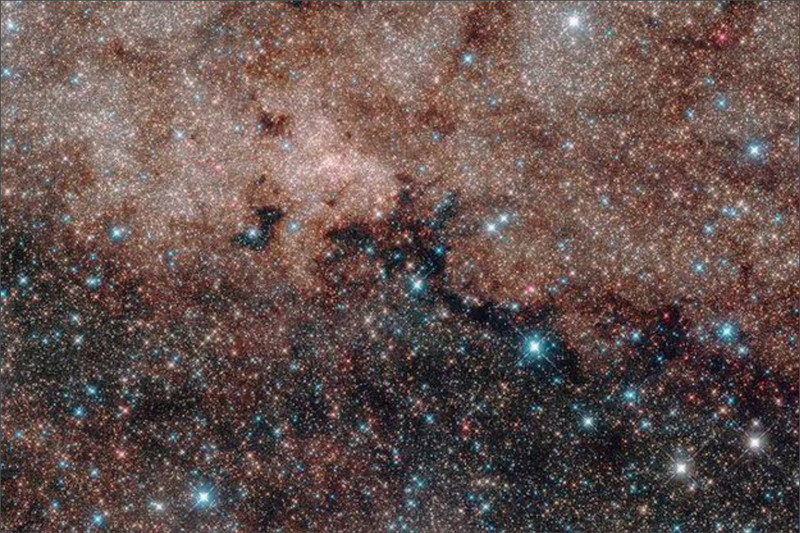
Sweet Interstellar Discovery: Erythrulose Detected in the Milky Way
Scientists from the Spanish Astrobiology Center have for the first time identified a true sugar, erythrulose, in a gas and dust cloud near our galaxy's center. This finding suggests complex molecules can form before stars and planets are born.
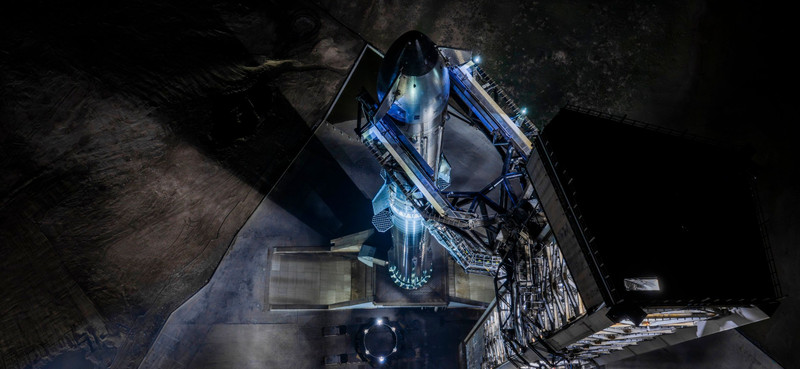
SpaceX Scrubs Starship Test Flight in South Texas
Computer systems detected an anomaly during the Super Heavy booster's engine startup sequence, forcing the mission's abort.
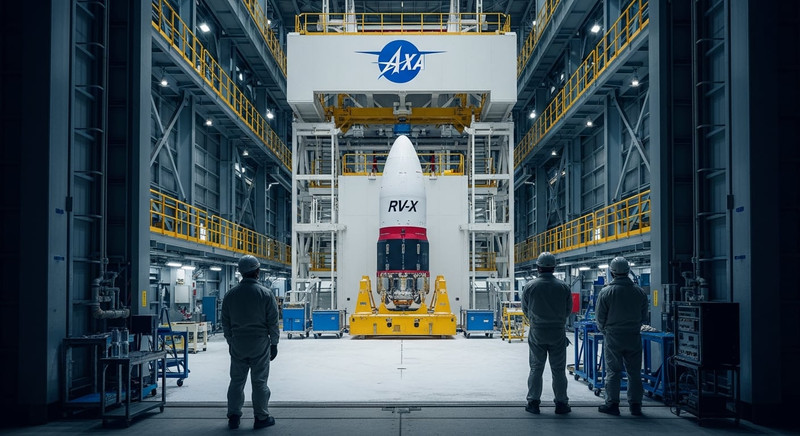
JAXA's RV-X Reusable Rocket Successfully Completes First Flight
Japan's space agency JAXA successfully tested its RV-X prototype, a critical step towards reducing costs and boosting competitiveness in the global space market.
Latest news
View all
Paramount and Warner Bros. Merger Halted by Judge Over Antitrust Concerns
A coalition of 12 states successfully petitioned Judge Araceli Martinez-Olguin to temporarily block the deal, citing fears of higher prices and reduced content.
MIT Chip Converts Invisible Infrared Light into Crucial Data
MIT researchers developed an innovative chip detecting methane and propane using mid-infrared light, with potential for millions of pixels and optical computing.

Assassin's Creed Black Flag Resynced Smashes 3 Million Sales, New Game Plus Announced
Ubisoft's successful re-release of the pirate classic continues to break records, confirming one of the most requested features from the gaming community.
Comments (0)
No comments yet. Be the first!
Only registered readers can comment.