
Saturn's rings formed from a destroyed moon, study says
A new model suggests Saturn's rings came from the breakup of an ancient moon called Chrysalis between 100 and 200 million years ago.


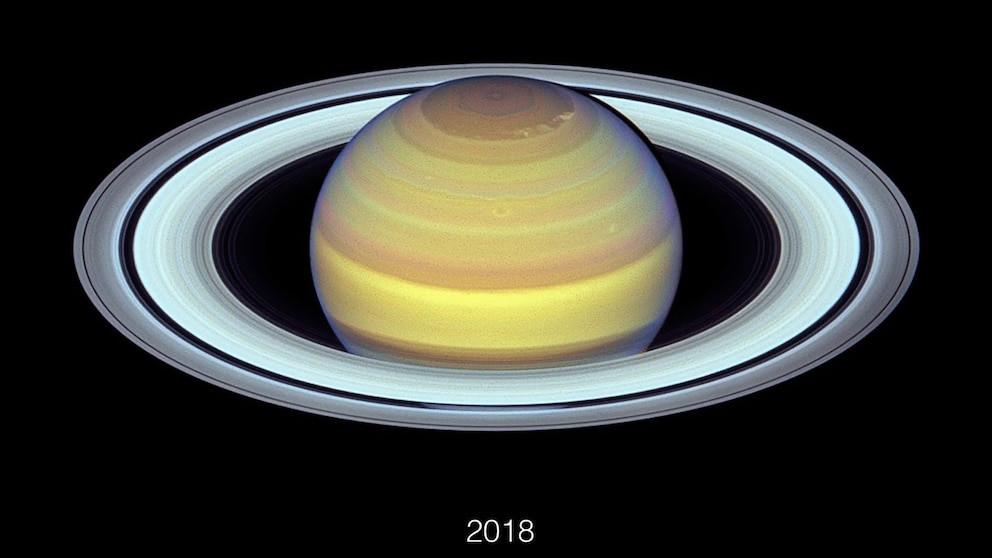
Saturn's rings likely formed between 100 and 200 million years ago when an ancient moon, named Chrysalis, was torn apart by the planet's gravity. This new hypothesis, backed by simulations from the University of California, explains both the rings' youthful age and their nearly pure water-ice composition. The planet itself is 4.5 billion years old, so the rings' recent origin has long puzzled scientists. Now, a single catastrophic event may solve that mystery.
Researchers presented the findings at the Lunar and Planetary Science Conference hosted by the American Geophysical Union. Their computer models simulate the orbital dynamics of Saturn's moons over time. Chrysalis once orbited between Titan and other large satellites, helping maintain gravitational stability. Unknown disturbances eventually pushed it into a closer path. When it crossed Saturn's Roche limit—the distance where tidal forces exceed a moon's self-gravity—it began to break apart.
During the breakup, Saturn's gravity pulled the moon apart selectively by density. The icy outer layer fragmented and spread into a disk around the planet's equator, forming the rings. The denser rocky core resisted longer and ultimately fell into Saturn's deep atmosphere or was absorbed into its interior. "The rocky material did not contribute significantly to the rings", said Yifei Jiao, lead author of the study.
This model aligns with data from the Cassini mission, which found that the rings are over 95% water ice. It also explains the lack of silicates or other rocky minerals. Scientists note the theory doesn't require a pre-existing ring system, though that can't yet be ruled out. What was once a major astronomical puzzle now has a physically plausible explanation grounded in orbital mechanics and indirect evidence.
The loss of Chrysalis didn't just create the rings—it also reshaped Saturn's moon system. The sudden mass loss and shift in gravity could have altered the orbits of moons like Titan and Iapetus. While no direct trace of Chrysalis remains, its legacy lives on in the system's current structure. Such rare, dramatic events highlight how planetary evolution can hinge on sudden cosmic disruptions.
The rocky material did not contribute significantly to the rings.
Keep reading online — scan the code
https://go.tricuatro.com/6yEV7
© tricuatro.com
Article topics
Related articles
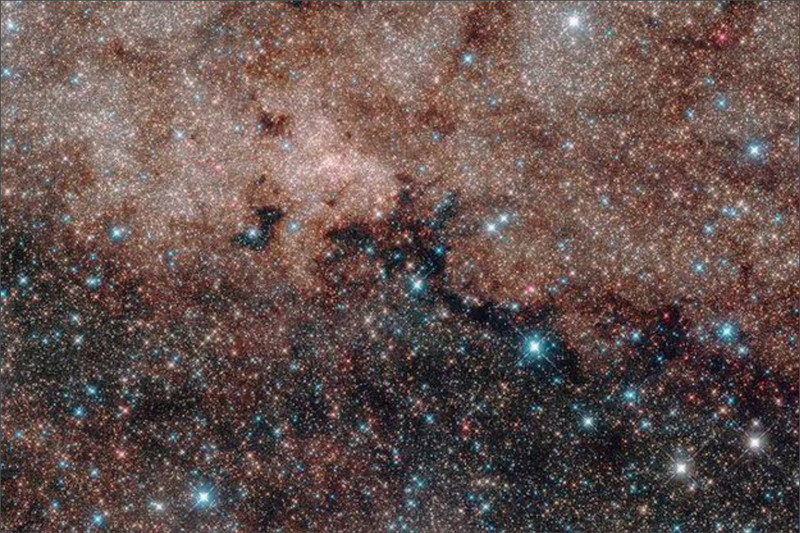
Sweet Interstellar Discovery: Erythrulose Detected in the Milky Way
Scientists from the Spanish Astrobiology Center have for the first time identified a true sugar, erythrulose, in a gas and dust cloud near our galaxy's center. This finding suggests complex molecules can form before stars and planets are born.
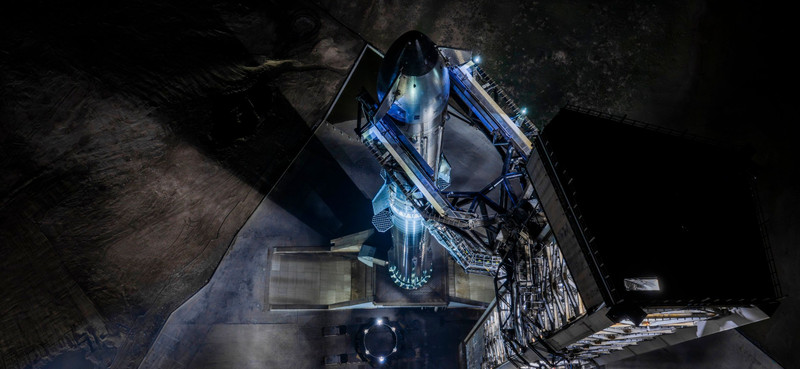
SpaceX Scrubs Starship Test Flight in South Texas
Computer systems detected an anomaly during the Super Heavy booster's engine startup sequence, forcing the mission's abort.
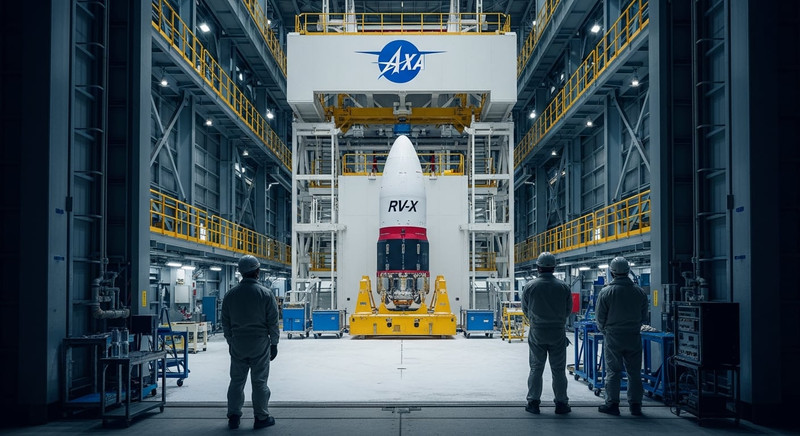
JAXA's RV-X Reusable Rocket Successfully Completes First Flight
Japan's space agency JAXA successfully tested its RV-X prototype, a critical step towards reducing costs and boosting competitiveness in the global space market.
Latest news
View all
Paramount and Warner Bros. Merger Halted by Judge Over Antitrust Concerns
A coalition of 12 states successfully petitioned Judge Araceli Martinez-Olguin to temporarily block the deal, citing fears of higher prices and reduced content.
MIT Chip Converts Invisible Infrared Light into Crucial Data
MIT researchers developed an innovative chip detecting methane and propane using mid-infrared light, with potential for millions of pixels and optical computing.

Assassin's Creed Black Flag Resynced Smashes 3 Million Sales, New Game Plus Announced
Ubisoft's successful re-release of the pirate classic continues to break records, confirming one of the most requested features from the gaming community.
Comments (0)
No comments yet. Be the first!
Only registered readers can comment.