
Scientific Breakthrough: Activity Recovered in Vitrified Mouse Brain Tissue
Recent research successfully restored neuronal activity in mouse brain samples after a vitrification process, opening new doors for study without implying "resurrection."

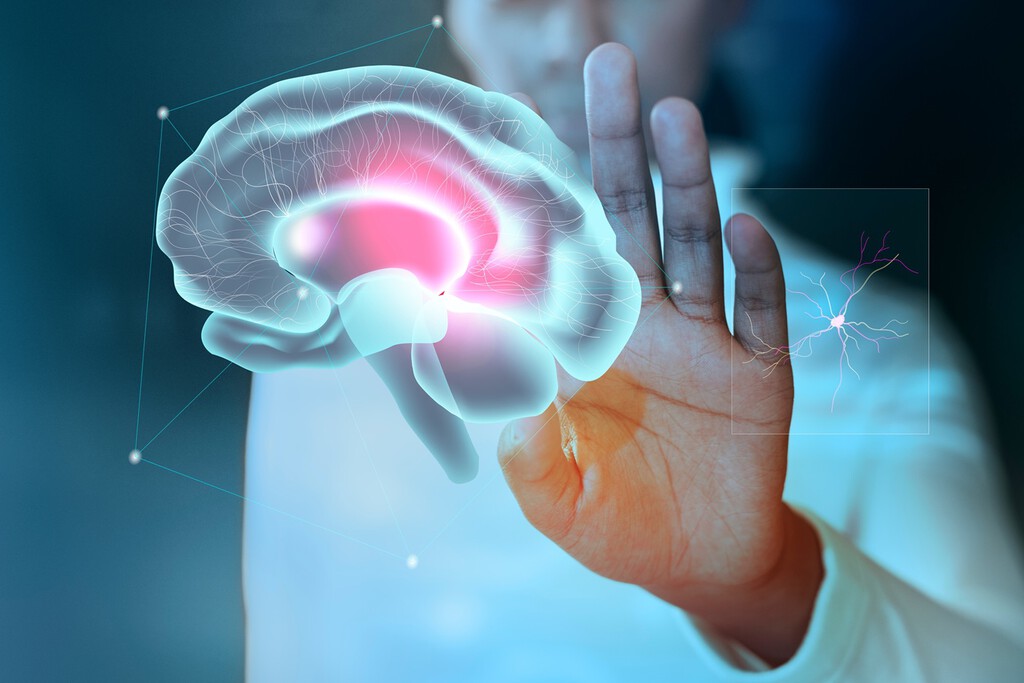
Scientists achieved a significant milestone by recovering short-term functional activity in mouse brain tissue. This breakthrough occurred after subjecting samples to an innovative vitrification process. The recently published study marks a crucial step for cryopreservation and brain research, though it is far from "resurrecting" entire organisms.
Historically, the major challenge in cryopreserving biological tissues has been the formation of ice crystals. When water inside cells freezes traditionally, it expands and crystallizes. This perforates cell membranes and destroys the tissue's internal structure, making functional recovery impossible.
To overcome this obstacle, the research team employed a different technique. They used potent cryoprotectants, substances that protect cells from cold damage, and brought the mouse brain tissue to a temperature of -150 ºC. This process, known as vitrification, transforms cellular liquids into a glass-like state, completely preventing the formation of destructive ice crystals.
Once vitrified, the tissue was "reawakened" using ultra-rapid rewarming. This speed is critical to prevent any crystallization during the thawing process. The results were extraordinary, demonstrating that a large number of neuronal properties survived the procedure.
Restoring electrical activity in a hippocampal slice does not equate to restoring the consciousness or identity of an entire animal.
The cells did not collapse, and the tissue resumed normal energy consumption. Furthermore, the neurons maintained their ability to fire electrical signals. They also retained the potential to create new connection networks, a fundamental function for learning and memory.
It is important to read these results with necessary caution, as Nature News advises. This involves mouse tissue, not a complete human brain. Restoring electrical activity in a hippocampal slice does not equate to restoring the consciousness or identity of an entire animal, much less a person.
Nevertheless, this advance has crucial implications for research. It could greatly facilitate the transport and storage of brain samples for study in different laboratories. It will also allow for testing drugs directly on the tissue, opening new avenues for understanding and treating neurological diseases.
Keep reading online — scan the code
https://go.tricuatro.com/aY2t5
© tricuatro.com
Article topics
Related articles

Sweet Interstellar Discovery: Erythrulose Detected in the Milky Way
Scientists from the Spanish Astrobiology Center have for the first time identified a true sugar, erythrulose, in a gas and dust cloud near our galaxy's center. This finding suggests complex molecules can form before stars and planets are born.
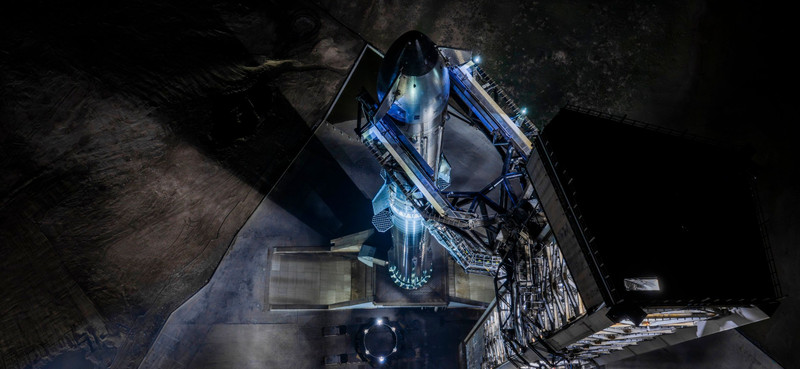
SpaceX Scrubs Starship Test Flight in South Texas
Computer systems detected an anomaly during the Super Heavy booster's engine startup sequence, forcing the mission's abort.

JAXA's RV-X Reusable Rocket Successfully Completes First Flight
Japan's space agency JAXA successfully tested its RV-X prototype, a critical step towards reducing costs and boosting competitiveness in the global space market.
Latest news
View all
Paramount and Warner Bros. Merger Halted by Judge Over Antitrust Concerns
A coalition of 12 states successfully petitioned Judge Araceli Martinez-Olguin to temporarily block the deal, citing fears of higher prices and reduced content.
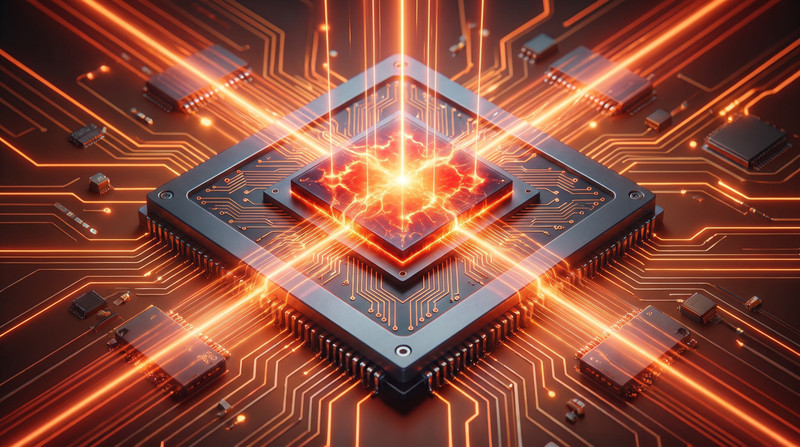
MIT Chip Converts Invisible Infrared Light into Crucial Data
MIT researchers developed an innovative chip detecting methane and propane using mid-infrared light, with potential for millions of pixels and optical computing.

Assassin's Creed Black Flag Resynced Smashes 3 Million Sales, New Game Plus Announced
Ubisoft's successful re-release of the pirate classic continues to break records, confirming one of the most requested features from the gaming community.
Comments (0)
No comments yet. Be the first!
Only registered readers can comment.