
Scientists detect a strange chirp from deep space in a supernova
An international team discovered an unprecedented signal in a supernova a billion light-years away, challenging current physics theories.


A team led by Joseph Farah from the University of California at Santa Barbara uncovered a surprising signal in a supernova located a billion light-years from Earth. The discovery was published in _Nature_ in March 2026.
This supernova, about 30 times brighter than typical explosions, produced a brightness fluctuation called a “chirp.” This signal, which gradually increases in frequency, had never been observed in such stellar events before.
“No supernova had emitted a chirp before, so something strange is happening,” Farah said.
The study combines astronomical observations with computational simulations using MOSFiT software. It suggests that the explosion was driven by a magnetar, a dense neutron star with extremely strong magnetic fields capable of producing unique phenomena.
The “chirp” signal is explained by a relativistic effect known as Lense-Thirring, where spacetime around the magnetar is “dragged” by its rotation. This causes the surrounding disk to wobble, creating the observed light fluctuation.
This finding opens new avenues for understanding extreme cosmic events. However, some experts believe more similar events need to be observed to confirm that a magnetar is the definitive cause of the phenomenon.
The future of this research points to the Vera C. Rubin Observatory in Chile, which is expected to discover more superluminous supernovae and shed light on these cosmic mysteries.
This discovery marks a significant step in modern astronomy and could reshape our understanding of stellar explosions and compact objects in space.
Keep reading online — scan the code
https://go.tricuatro.com/ldgPm
© tricuatro.com
Article topics
Related articles
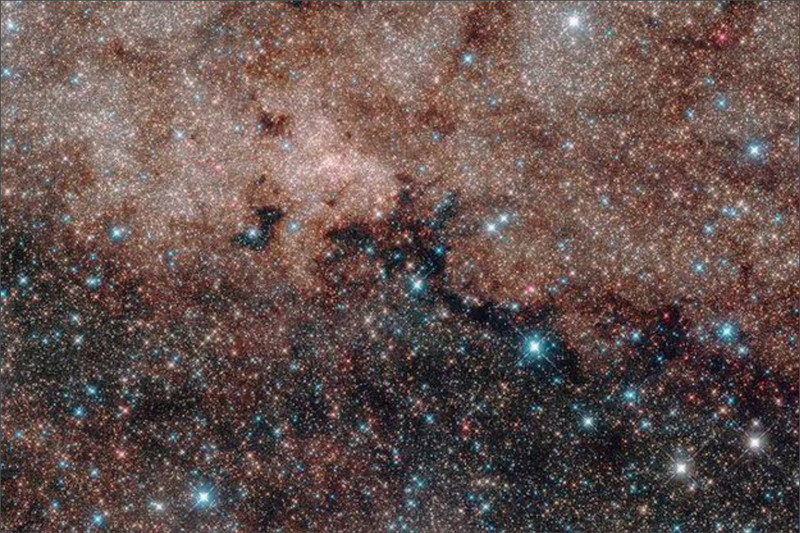
Sweet Interstellar Discovery: Erythrulose Detected in the Milky Way
Scientists from the Spanish Astrobiology Center have for the first time identified a true sugar, erythrulose, in a gas and dust cloud near our galaxy's center. This finding suggests complex molecules can form before stars and planets are born.
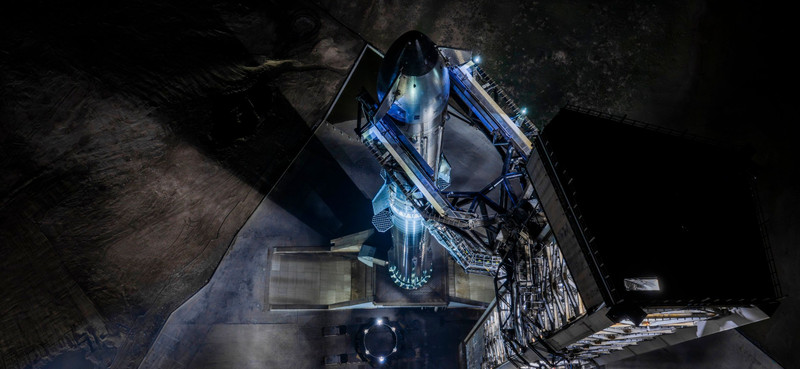
SpaceX Scrubs Starship Test Flight in South Texas
Computer systems detected an anomaly during the Super Heavy booster's engine startup sequence, forcing the mission's abort.
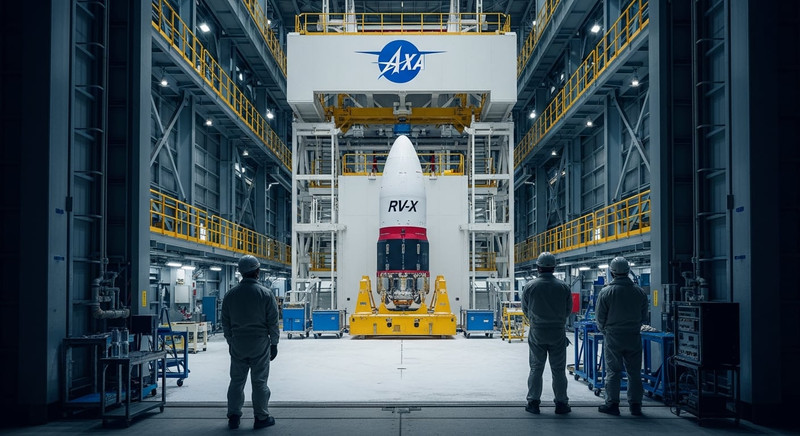
JAXA's RV-X Reusable Rocket Successfully Completes First Flight
Japan's space agency JAXA successfully tested its RV-X prototype, a critical step towards reducing costs and boosting competitiveness in the global space market.
Latest news
View all
Paramount and Warner Bros. Merger Halted by Judge Over Antitrust Concerns
A coalition of 12 states successfully petitioned Judge Araceli Martinez-Olguin to temporarily block the deal, citing fears of higher prices and reduced content.

MIT Chip Converts Invisible Infrared Light into Crucial Data
MIT researchers developed an innovative chip detecting methane and propane using mid-infrared light, with potential for millions of pixels and optical computing.

Assassin's Creed Black Flag Resynced Smashes 3 Million Sales, New Game Plus Announced
Ubisoft's successful re-release of the pirate classic continues to break records, confirming one of the most requested features from the gaming community.
Comments (0)
No comments yet. Be the first!
Only registered readers can comment.