
Siemens warns EU’s AI rules will slow investments in Europe
If the European Union's strict AI regulations remain, Siemens will focus investments on the US and China, impacting Europe's tech growth.

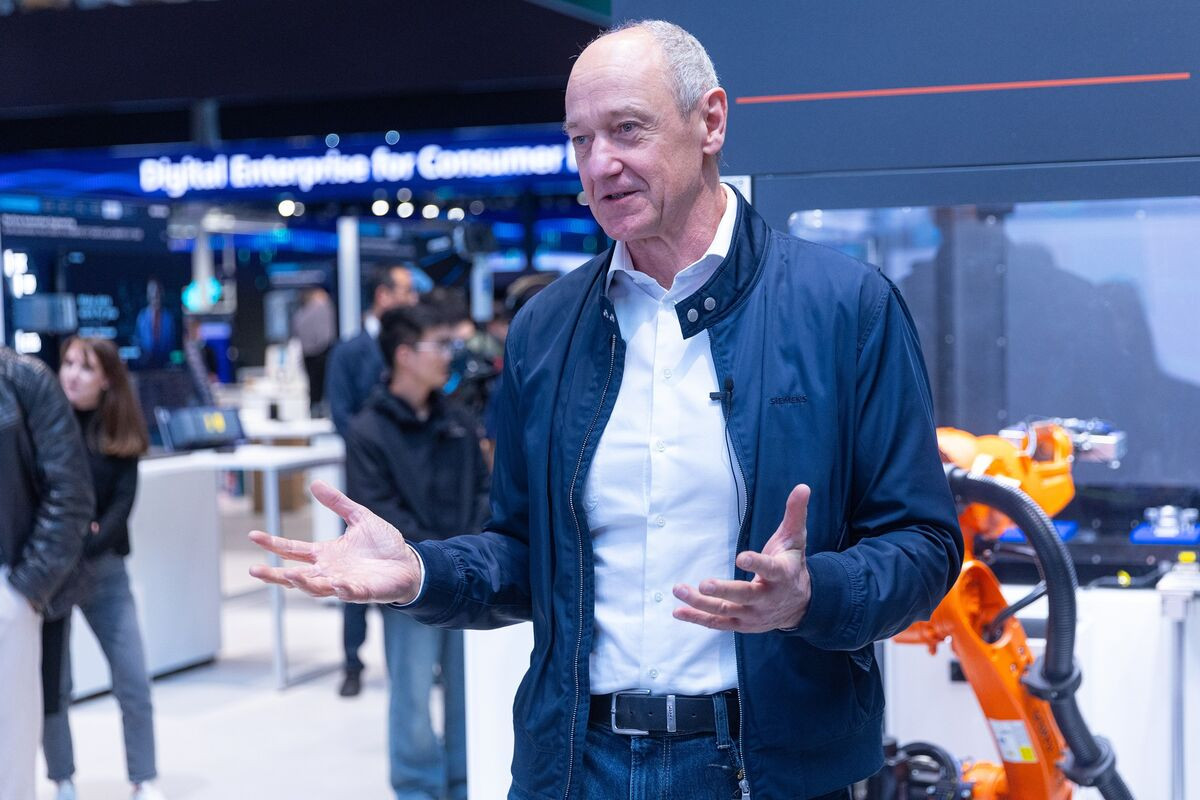
Siemens AG, a major player in industrial technology, has warned that the EU's proposed AI regulations could significantly reduce investments in Europe. Its CEO, Roland Busch, stated that if restrictions stay strict, the company will prioritize resources in the United States and China, where policies are more supportive of innovation. This was announced during Hannover Messe 2026, one of the world's leading tech fairs held in Germany on April 19.
Busch explained that companies need a clear and flexible regulatory framework to continue innovating and expanding. The EU aims to set strict standards for AI, but this could complicate investment and development of new solutions within Europe. Business communities fear these regulations might slow technological progress and weaken Europe's global competitiveness.
Meanwhile, the US and China continue to promote policies that encourage AI innovation, attracting resources and talent. Siemens and other firms are reassessing their strategies to adapt to these regulatory shifts and maximize growth in more open markets. Prioritizing investments in these regions reflects a broader trend that could shape the future of tech development in the coming years.
This situation sparks a debate on balancing rights protection and innovation. Europe's tech community hopes regulations will be revised to avoid hindering progress and to keep the continent competitive globally.
Keep reading online — scan the code
https://go.tricuatro.com/qstx2
© tricuatro.com
Article topics
Related articles

TikTok tests AI tool to protect creators from deepfakes
The video platform is rolling out an opt-in feature allowing users to verify their identity and report unauthorized AI-generated likenesses.

Apple Sues OpenAI Over Alleged Hardware Trade Secret Theft
The Cupertino giant accuses former key employees, including Tang Tan, of stealing confidential hardware information for OpenAI's benefit and its expansion into consumer hardware.

Anthropic Tackles AI's Toughest Questions for a Responsible Future
The company launches an initiative to understand public concerns and transparently address the challenges of artificial intelligence development.
Latest news
View all
Sweet Interstellar Discovery: Erythrulose Detected in the Milky Way
Scientists from the Spanish Astrobiology Center have for the first time identified a true sugar, erythrulose, in a gas and dust cloud near our galaxy's center. This finding suggests complex molecules can form before stars and planets are born.

Paramount and Warner Bros. Merger Halted by Judge Over Antitrust Concerns
A coalition of 12 states successfully petitioned Judge Araceli Martinez-Olguin to temporarily block the deal, citing fears of higher prices and reduced content.

MIT Chip Converts Invisible Infrared Light into Crucial Data
MIT researchers developed an innovative chip detecting methane and propane using mid-infrared light, with potential for millions of pixels and optical computing.
Comments (0)
No comments yet. Be the first!
Only registered readers can comment.