
Sony creates a robot that beats humans in competitive table tennis
Sony's Project Ace introduces a robotic arm capable of competing and winning against professional players in real time.

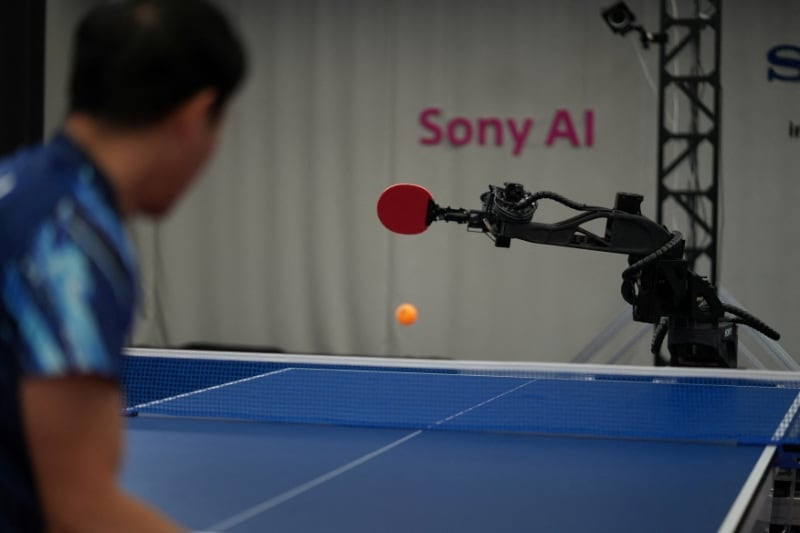
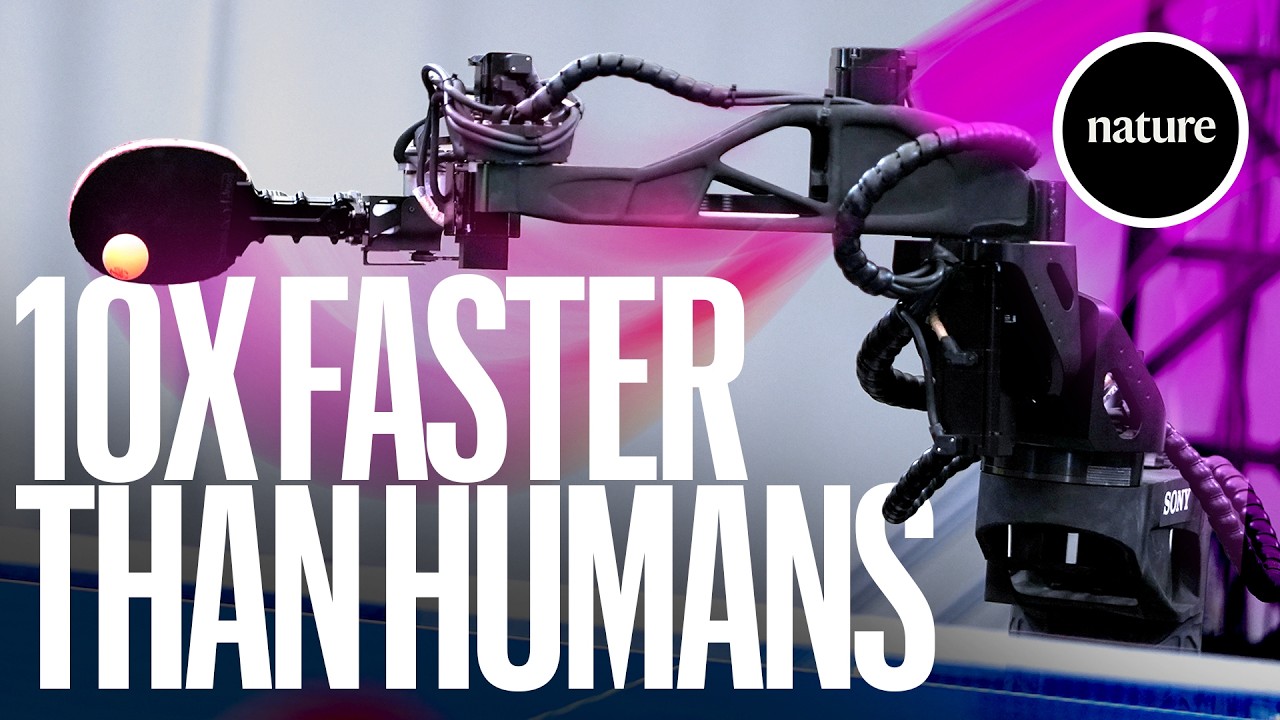
Sony has achieved a groundbreaking milestone by developing a robot that can play and win in table tennis against elite athletes. Their Project Ace, published in Nature, proves that AI and robotics can now operate effectively in real-world sports scenarios. This breakthrough marks a significant step forward, as it overcomes one of the biggest challenges: real-time physical interaction and decision-making in a fast-paced sport.
Until now, AI systems excelled mainly in digital environments like chess or video games, where physical constraints are absent. Sony’s Ace project changes that by using a robotic arm built with reinforcement learning, high-precision hardware, and an advanced sensor network. These technologies enable the robot to react and decide within milliseconds, competing directly with human players in live matches.
Peter Dürr, head of Sony AI in Zurich and project leader, emphasized the importance of this achievement: “This shows that an autonomous robot can compete in physical sports, matching or surpassing human reaction times and decision-making.” He added that table tennis presents a unique challenge for AI because it demands split-second decisions, adaptation to unpredictable ball trajectories, and quick responses to human movements.
The core of the robot’s technical prowess is a high-speed perception system. It employs nine cameras with Sony’s active pixel sensors, capable of pinpointing the ball’s position with millimeter accuracy. This data is integrated with three visual control systems that measure the ball’s speed and spin in real time, even when faced with unpredictable human actions. While inspired by Sony’s experience with AI agents like Gran Turismo Sophy, adapting this tech to a physical environment required tackling new challenges in perception, movement planning, and physical execution.
Beyond table tennis, Dürr states that “this progress highlights the potential of physical AI agents for real-time interactive tasks and paves the way for robots with broader applications in fast, precise human interactions.”
Keep reading online — scan the code
https://go.tricuatro.com/yVvaE
© tricuatro.com
Article topics
Related articles
MIT Chip Converts Invisible Infrared Light into Crucial Data
MIT researchers developed an innovative chip detecting methane and propane using mid-infrared light, with potential for millions of pixels and optical computing.

TikTok tests AI tool to protect creators from deepfakes
The video platform is rolling out an opt-in feature allowing users to verify their identity and report unauthorized AI-generated likenesses.
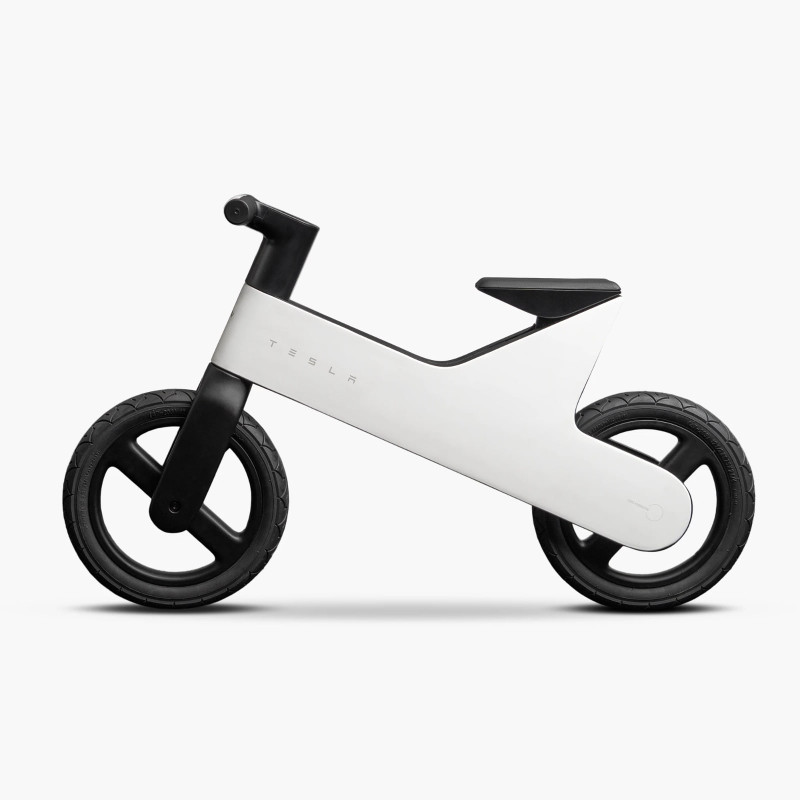
Tesla Launches Electric Cybertruck Replica for Kids in the US
Tesla introduces its scaled-down Cybertruck for children aged 6 to 12, an electric vehicle priced at USD 1,500, currently exclusive to the US market.
Latest news
View all
Sweet Interstellar Discovery: Erythrulose Detected in the Milky Way
Scientists from the Spanish Astrobiology Center have for the first time identified a true sugar, erythrulose, in a gas and dust cloud near our galaxy's center. This finding suggests complex molecules can form before stars and planets are born.

Paramount and Warner Bros. Merger Halted by Judge Over Antitrust Concerns
A coalition of 12 states successfully petitioned Judge Araceli Martinez-Olguin to temporarily block the deal, citing fears of higher prices and reduced content.

Assassin's Creed Black Flag Resynced Smashes 3 Million Sales, New Game Plus Announced
Ubisoft's successful re-release of the pirate classic continues to break records, confirming one of the most requested features from the gaming community.
Comments (0)
No comments yet. Be the first!
Only registered readers can comment.