
Unexpected Garnet Discovery in Martian Meteorite Reveals Mars' Geological History
Researchers have found garnet grains, a mineral never before observed on the Red Planet, inside a Martian meteorite, offering new insights into its 4.5-billion-year geological past.

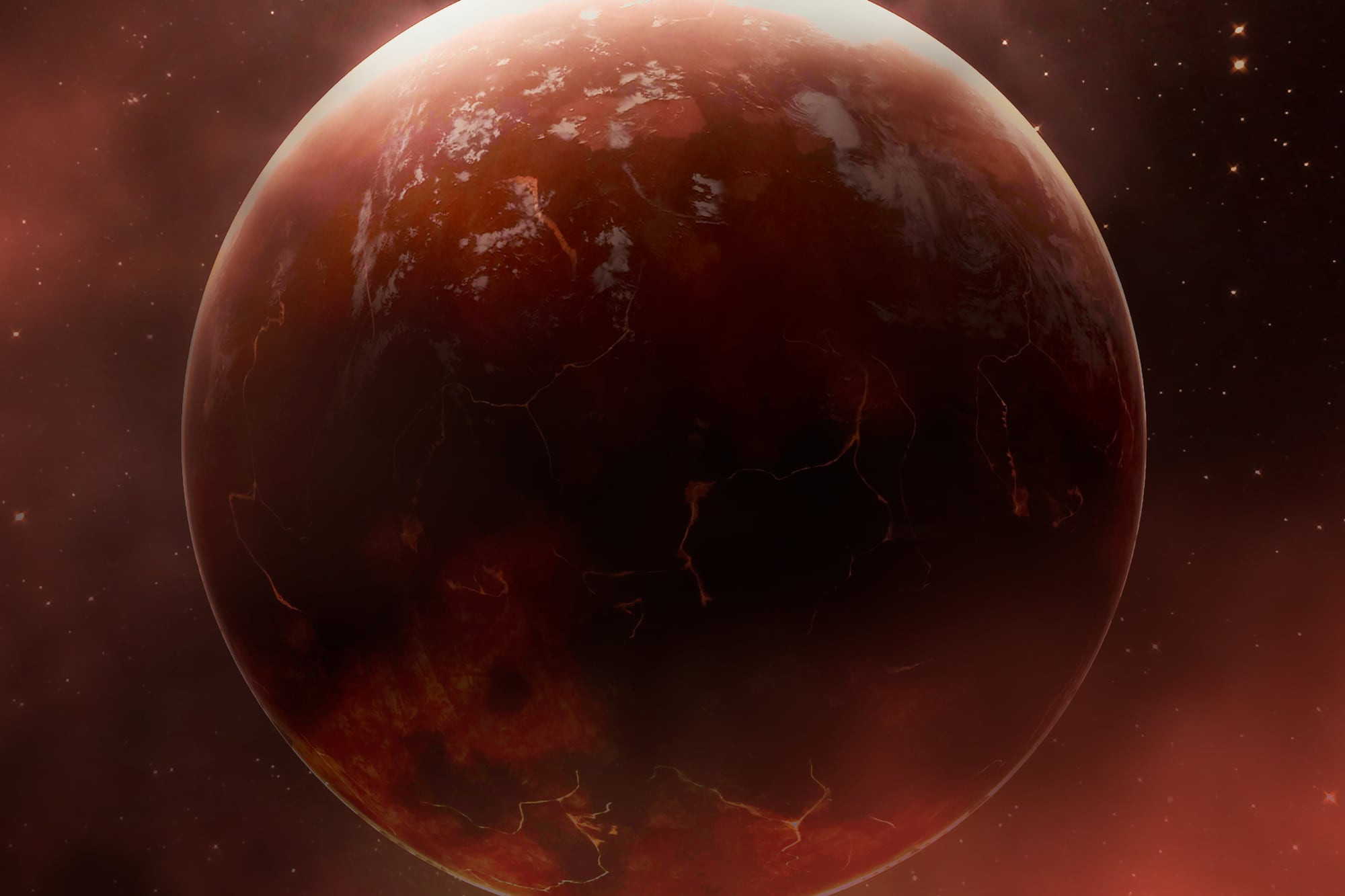
Mars' 4.5-billion-year geological history just gained a surprising new piece of the puzzle. A team of researchers made an unprecedented discovery, finding garnet grains—a mineral never before observed on the Red Planet—within a meteorite originating from Mars. This exciting find opens a fascinating window into the evolution of our planetary neighbor.
On Earth, garnet is a highly prized family of minerals, valued since antiquity and used as a gemstone by civilizations like the Egyptians, Romans, and the Victorian elite. Geologically, this mineral is crucial because it provides precise information about the tectonic forces and formation processes that shape a planet's crust and mantle. Its presence on Mars, therefore, is a powerful indicator of complex geological processes.
The specialists, who published their study in the journal "Geochemical Perspectives Letters", located these tiny grains in a Martian rock fragment measuring just 0.8 by 0.5 millimeters. Despite their minute size, these grains function as a geological time capsule, preserving crucial clues about the temperatures, pressures, and processes that affected Mars over billions of years.
"Garnet is a classic example of a mineral often found in metamorphic rocks on Earth. The process of metamorphism transforms igneous or sedimentary rocks into a new form through exposure to extreme heat, high pressure, or hot fluids," explained Tanya Kizovski, a professor of Earth Sciences at Brock University in Canada and the study's lead author.
The recovered fragments are part of the NWA 8171 meteorite, a specimen housed within the Royal Ontario Museum's collections. Interestingly, unlike traditional red garnet, the variety found on Mars is andradite, an iron-rich form that exhibits a yellowish-green color. This particular hue nearly caused scientists to overlook the discovery entirely.
Tanya Kizovski recalled that the mineral's chemistry "was a bit strange from the beginning." Initially, researchers assumed it was pyroxene, a much more common mineral in Martian rocks. However, their persistence led them to examine the sample in greater detail, ultimately revealing the true nature of the find.
Currently, the research team is focused on determining whether the garnet formed directly on the Martian surface or arrived there via the impact of another meteorite. According to Kizovski, the heat and pressure required to produce this mineral could have come from either the impact of a space object, magma rising into the crust, or a combination of both factors.
To confirm its origin, scientists aim to study the mineral's isotopic signatures. However, this analysis involves destroying part of the sample, a risk the team has avoided so far due to the material's extreme rarity and value. This dilemma highlights the delicate nature of extraterrestrial sample research.
This discovery not only expands our catalog of Martian minerals but also challenges and enriches our understanding of how the planet formed and evolved. James Darling, a professor at the University of Portsmouth and co-author of the study, stated: "The findings add a surprising new dimension to our understanding of Martian geology and open an an exciting window into the evolution of our planetary neighbor." The decision to sacrifice a portion of this valuable sample for deeper analysis will be crucial in the next steps of this fascinating investigation.
Keep reading online — scan the code
https://go.tricuatro.com/unexpect
© tricuatro.com
Article topics
Related articles
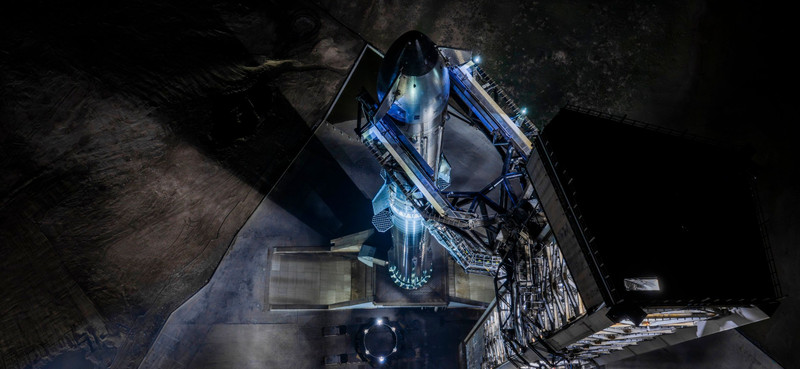
SpaceX Scrubs Starship Test Flight in South Texas
Computer systems detected an anomaly during the Super Heavy booster's engine startup sequence, forcing the mission's abort.
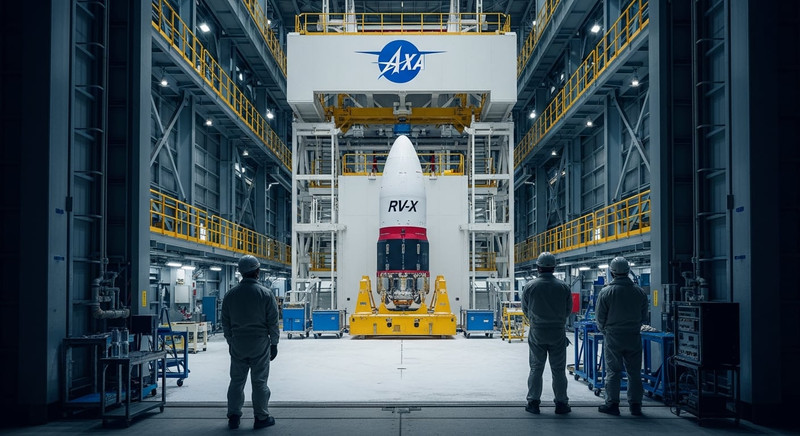
JAXA's RV-X Reusable Rocket Successfully Completes First Flight
Japan's space agency JAXA successfully tested its RV-X prototype, a critical step towards reducing costs and boosting competitiveness in the global space market.
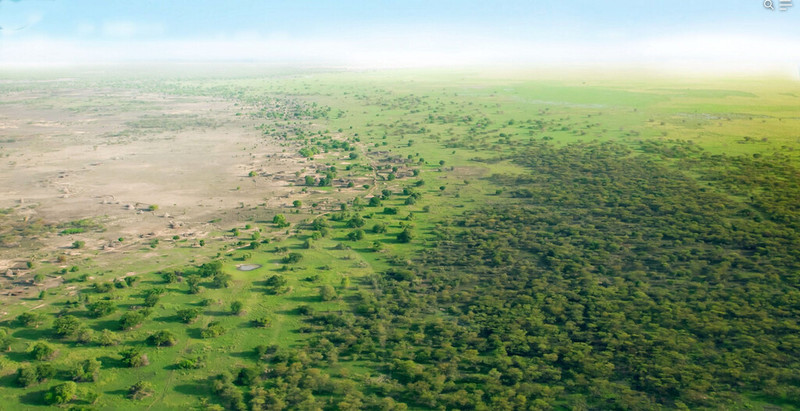
China's Great Green Wall: Artificial Forests Outpace Natural Growth
China planted 66 billion trees over nearly half a century to combat desertification, and a new study shows they grow faster than natural forests, albeit with important nuances.
Latest news
View all
MIT Chip Converts Invisible Infrared Light into Crucial Data
MIT researchers developed an innovative chip detecting methane and propane using mid-infrared light, with potential for millions of pixels and optical computing.

Assassin's Creed Black Flag Resynced Smashes 3 Million Sales, New Game Plus Announced
Ubisoft's successful re-release of the pirate classic continues to break records, confirming one of the most requested features from the gaming community.

TikTok tests AI tool to protect creators from deepfakes
The video platform is rolling out an opt-in feature allowing users to verify their identity and report unauthorized AI-generated likenesses.
Comments (0)
No comments yet. Be the first!
Only registered readers can comment.