
Water droplets exploding during evaporation could revolutionize nanotech
Recent research shows charged droplets can fragment explosively without friction, opening new paths in nanotechnology and sustainable processes.

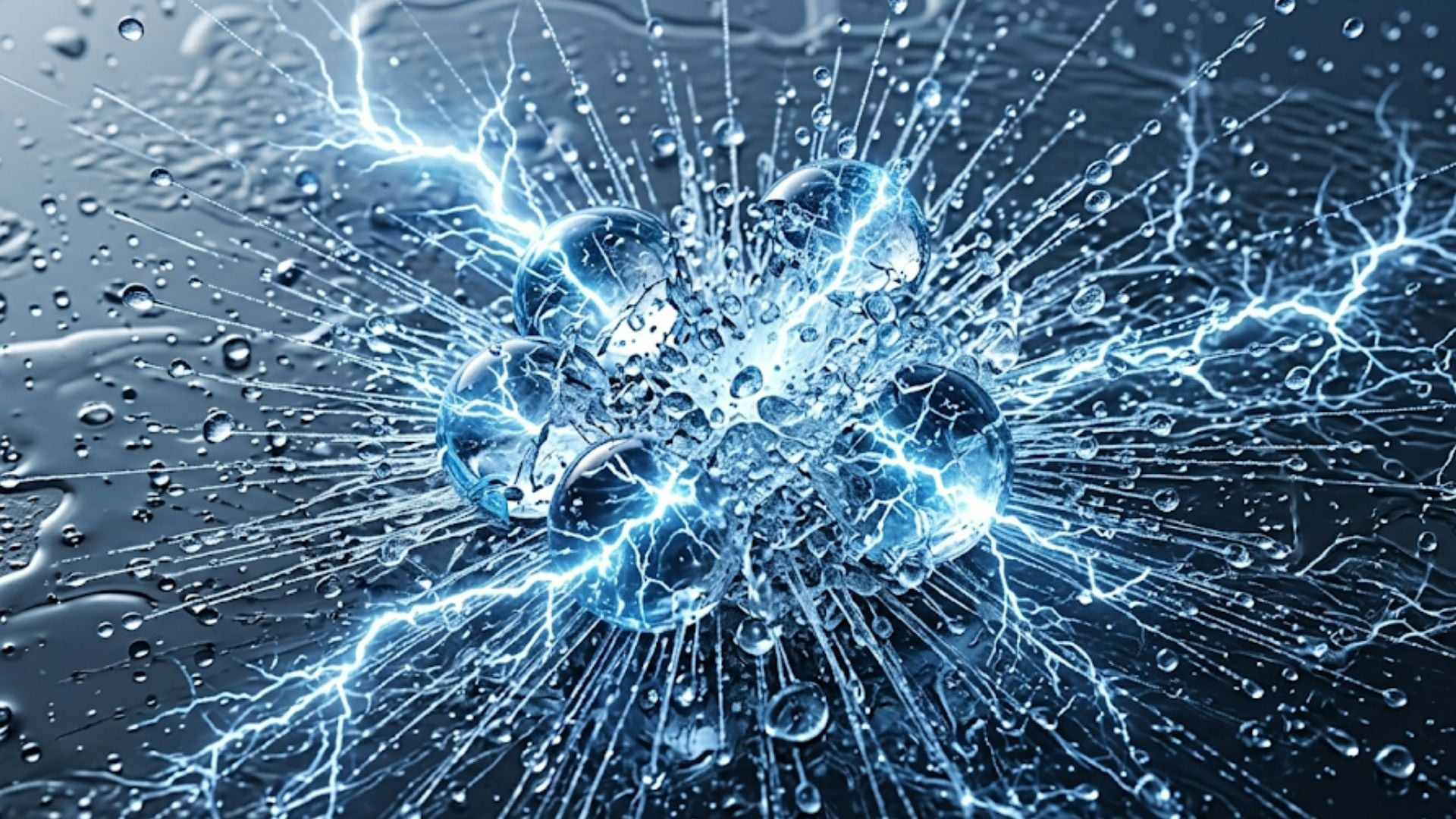
On May 8, researchers from the Okinawa Institute of Science and Technology (OIST) confirmed a phenomenon predicted in 1882 by Lord Rayleigh. Coulomb fission, which describes the violent breakup of charged droplets, was observed on frictionless surfaces for the first time. This discovery could transform electrospray techniques and nanotechnology, making them more efficient and eco-friendly.
The team, led by Professor Dan Daniel, deposited charged water droplets on plastic surfaces coated with silicone oil. The oil layer was essential to eliminate friction, allowing the droplets to change shape and spontaneously fragment. Evaporation concentrated the electric charge, triggering microexplosions that expelled charged microdroplets in microseconds.
This behavior, previously theorized only for suspended droplets, was demonstrated on solid surfaces. Controlling droplet size through oil viscosity offers new opportunities for nanofabrication and chemical analysis.
Lord Rayleigh’s prediction, which set a charge limit for droplet explosion, was validated in a completely new context. Removing friction showed that Coulomb fission physics applies on surfaces, enabling more precise control of the process.
This breakthrough has implications for nano-scale 3D printing and sustainable spray techniques. It could replace traditional high-voltage methods, promoting greener practices in nanotech and chemical analysis.
Starting at KAUST and consolidating at OIST, this research paves the way for more efficient, low-energy electrospray processes. Manipulating charge and droplet size could transform multiple industries in the coming years.
Keep reading online — scan the code
https://go.tricuatro.com/eb14m
© tricuatro.com
Related articles
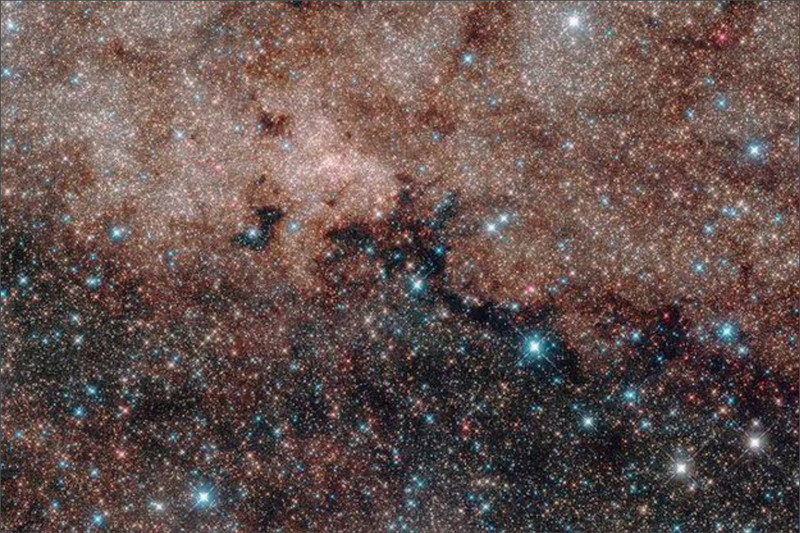
Sweet Interstellar Discovery: Erythrulose Detected in the Milky Way
Scientists from the Spanish Astrobiology Center have for the first time identified a true sugar, erythrulose, in a gas and dust cloud near our galaxy's center. This finding suggests complex molecules can form before stars and planets are born.
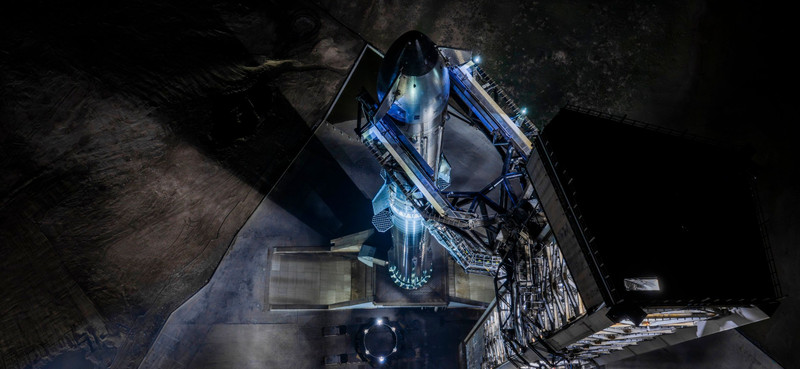
SpaceX Scrubs Starship Test Flight in South Texas
Computer systems detected an anomaly during the Super Heavy booster's engine startup sequence, forcing the mission's abort.
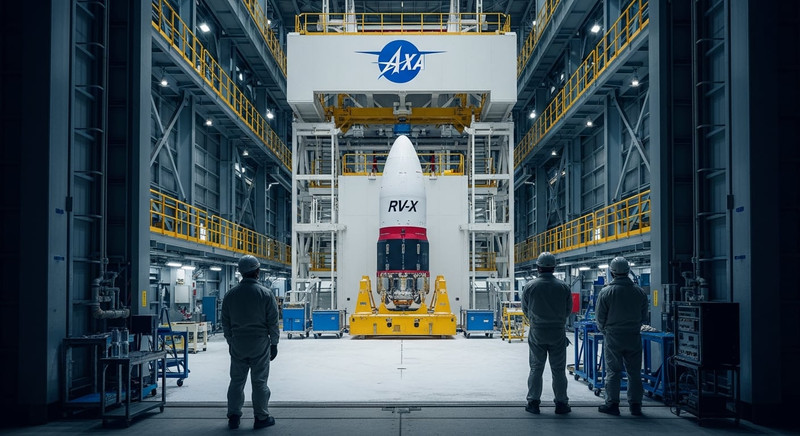
JAXA's RV-X Reusable Rocket Successfully Completes First Flight
Japan's space agency JAXA successfully tested its RV-X prototype, a critical step towards reducing costs and boosting competitiveness in the global space market.
Latest news
View all
Paramount and Warner Bros. Merger Halted by Judge Over Antitrust Concerns
A coalition of 12 states successfully petitioned Judge Araceli Martinez-Olguin to temporarily block the deal, citing fears of higher prices and reduced content.
MIT Chip Converts Invisible Infrared Light into Crucial Data
MIT researchers developed an innovative chip detecting methane and propane using mid-infrared light, with potential for millions of pixels and optical computing.

Assassin's Creed Black Flag Resynced Smashes 3 Million Sales, New Game Plus Announced
Ubisoft's successful re-release of the pirate classic continues to break records, confirming one of the most requested features from the gaming community.
Comments (0)
No comments yet. Be the first!
Only registered readers can comment.