
Wireless Charging for Electric Cars Achieves 95% Efficiency
A team at the University of Stuttgart reached a key milestone, making cable-free charging as efficient as traditional solutions and paving the way for a more convenient electric mobility future.

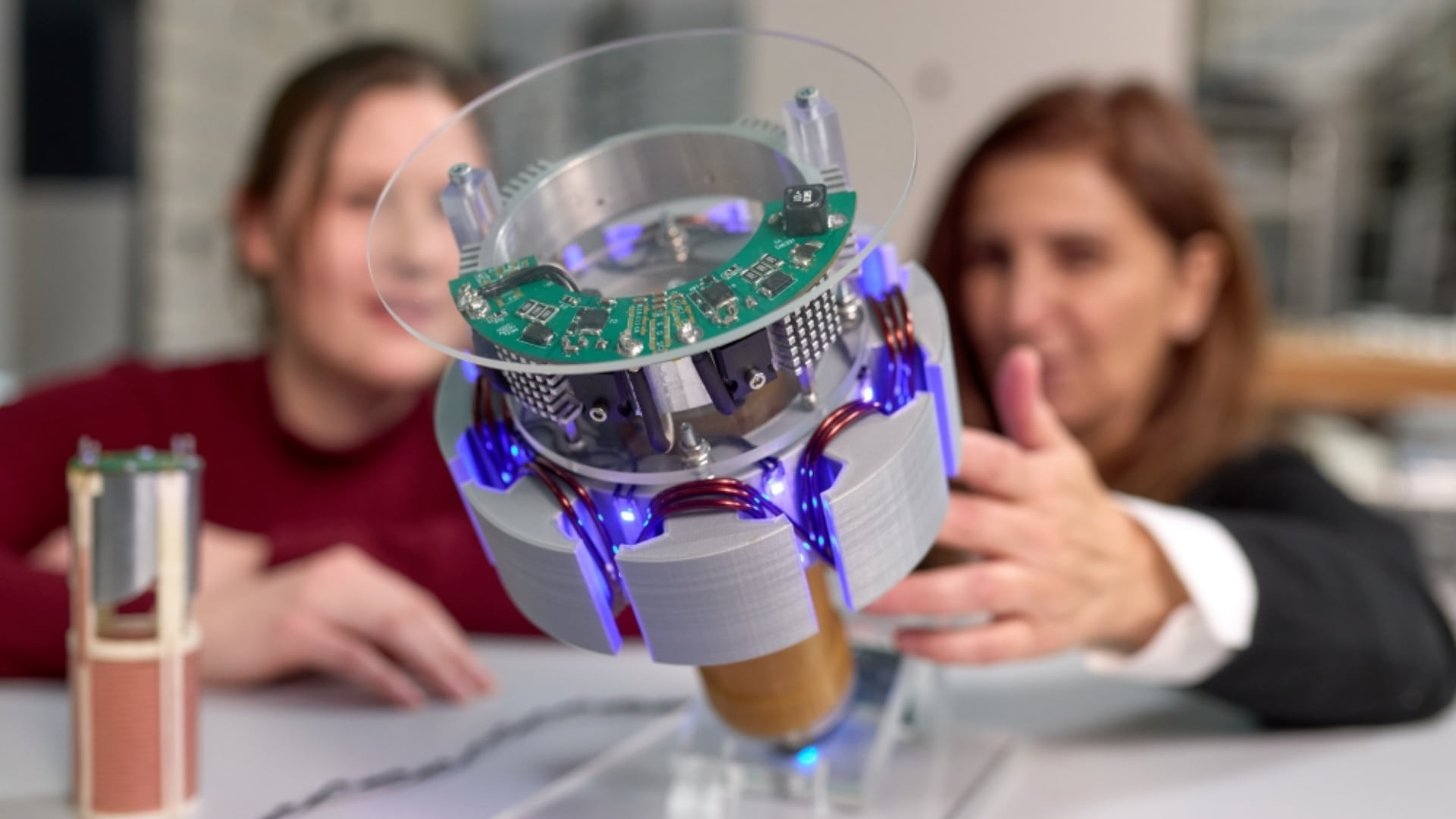
Wireless charging for electric vehicles just made a significant leap. A team at the University of Stuttgart, led by Dr. Nejila Parspour, achieved 95% efficiency in stationary charging. This breakthrough puts cable-free technology on par with conventional wired solutions. It promises to transform electric mobility. They also reached 90% efficiency for mobile applications, a crucial step for the future.
This technology operates on the principle of magnetic induction. An electric current flowing through one coil generates a magnetic field. This field then induces voltage in a nearby second coil. Electricity transfers through the air without physical connectors. Achieving high efficiency required advanced electronic components and sophisticated control algorithms. These optimize the transfer even with a considerable air gap between coils.
The main advantage of inductive charging is convenience. It eliminates cables, which are often frequent points of failure in electrical systems. Dr. Parspour highlights that fewer cables improve the user experience. They also increase device reliability, efficiency, and safety. Electric car drivers will simply park in designated spots. The vehicle will then begin charging automatically.
The applications of this technology extend beyond static charging. Advanced tests allow for charging infrastructure to be embedded beneath roadways. This enables electric vehicles to charge while driving. This innovation could lead to cars with smaller batteries. It would reduce critical materials like lithium, vehicle weight, and overall cost.
Furthermore, wireless charging opens the door to bidirectionality. Electric cars can return energy to the power grid. They act as dynamic storage systems. This helps integrate renewable energy sources more effectively. Vehicles transition from mere consumers to active participants in the energy system.
Tesla already uses inductive charging in some of its autonomous vehicles in the United States. Its adoption is expected to grow alongside the electric car market. Industry also employs this technology in robots and automated guided vehicles. These can recharge at fixed points or while in motion. This allows for more continuous and flexible industrial processes.
Keep reading online — scan the code
https://go.tricuatro.com/EjOGG
© tricuatro.com
Article topics
Related articles

Sweet Interstellar Discovery: Erythrulose Detected in the Milky Way
Scientists from the Spanish Astrobiology Center have for the first time identified a true sugar, erythrulose, in a gas and dust cloud near our galaxy's center. This finding suggests complex molecules can form before stars and planets are born.
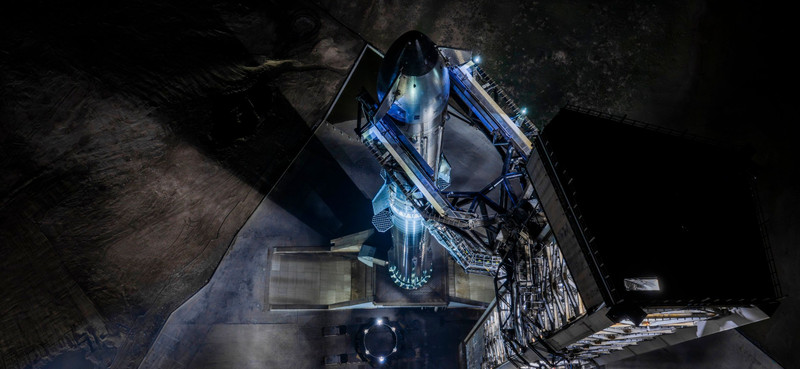
SpaceX Scrubs Starship Test Flight in South Texas
Computer systems detected an anomaly during the Super Heavy booster's engine startup sequence, forcing the mission's abort.
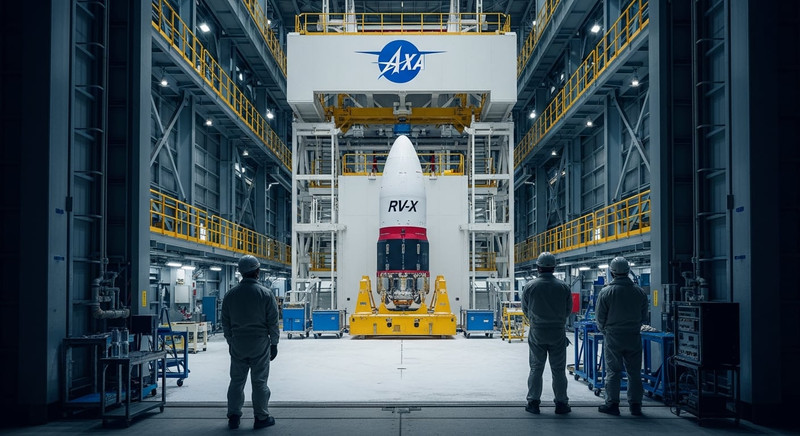
JAXA's RV-X Reusable Rocket Successfully Completes First Flight
Japan's space agency JAXA successfully tested its RV-X prototype, a critical step towards reducing costs and boosting competitiveness in the global space market.
Latest news
View all
Paramount and Warner Bros. Merger Halted by Judge Over Antitrust Concerns
A coalition of 12 states successfully petitioned Judge Araceli Martinez-Olguin to temporarily block the deal, citing fears of higher prices and reduced content.
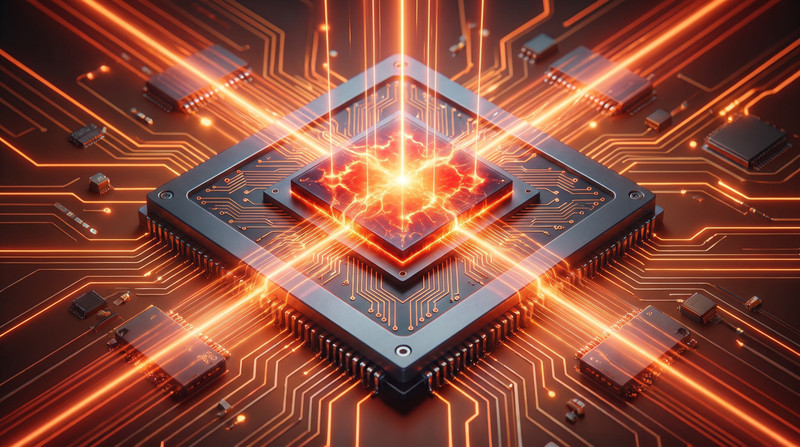
MIT Chip Converts Invisible Infrared Light into Crucial Data
MIT researchers developed an innovative chip detecting methane and propane using mid-infrared light, with potential for millions of pixels and optical computing.

Assassin's Creed Black Flag Resynced Smashes 3 Million Sales, New Game Plus Announced
Ubisoft's successful re-release of the pirate classic continues to break records, confirming one of the most requested features from the gaming community.
Comments (0)
No comments yet. Be the first!
Only registered readers can comment.