
A “Decapitated” Asteroid May Have Created the Moon’s Largest Crater
A new simulation suggests the Polo Sur-Aitken basin formed from a single impact of a differentiated asteroid. This could change lunar history.

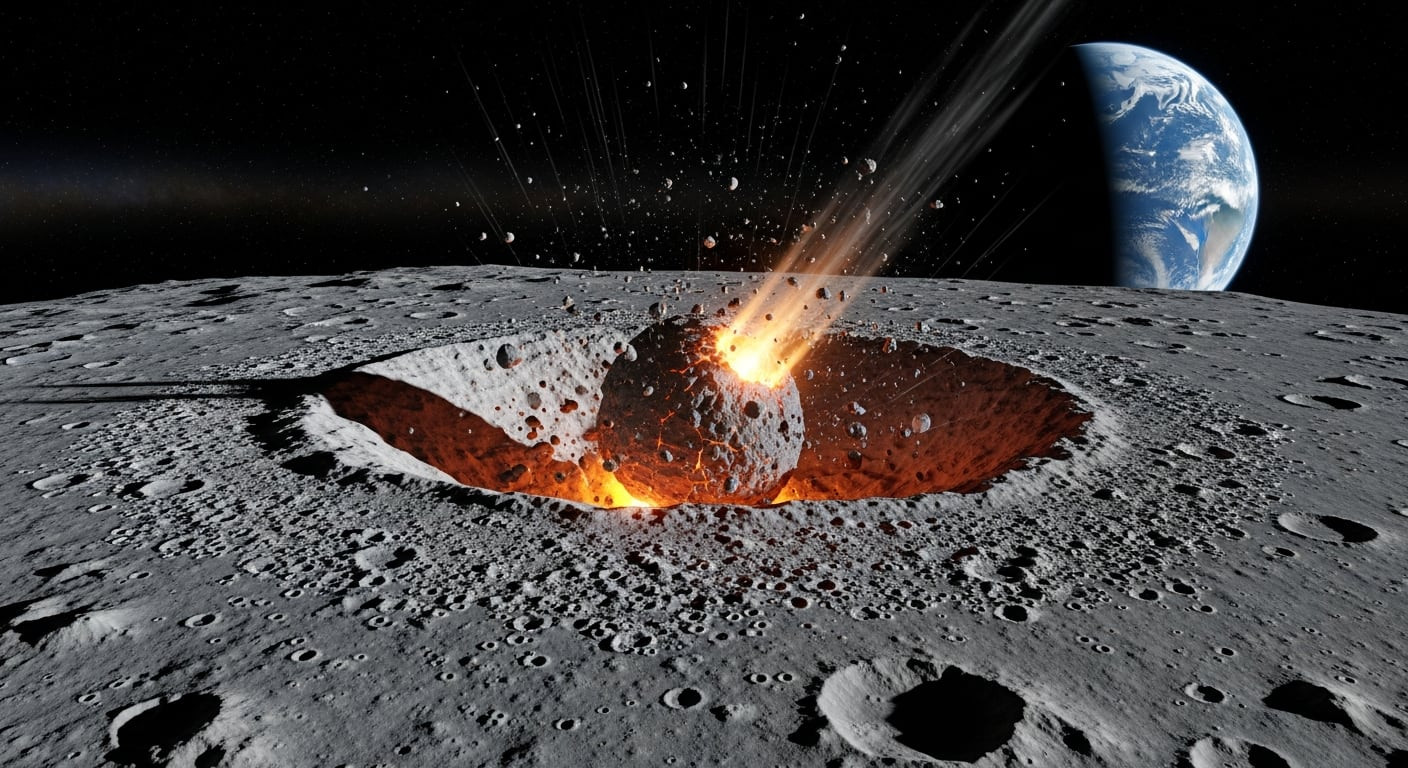
An international team of scientists has published a study proposing a new theory about the formation of the Moon’s largest basin, Polo Sur-Aitken. The research indicates that this structure resulted from a single impact of a differentiated asteroid, rather than multiple impacts or complex processes.
The high-resolution 3D simulation shows that a differentiated meteorite, with an iron core and rocky outer layer, struck the Moon at 13 km per second at a 30° angle. This impact likely produced the elliptical, tapered shape characteristic of the basin.
The impactor’s core, about 260 km in diameter, remained intact and shaped the conical profile of the structure. The outer layers detached during the collision, leaving the iron core at the crater’s center.
The Polo Sur-Aitken basin, over 2,000 km wide, is the oldest and largest on the lunar surface. It may contain materials from deep regions of the Moon, which have not been explored by previous missions.
The researchers believe that NASA’s Artemis III mission, planned to land near the lunar south pole, could collect samples of the ejecta from this impact. These samples would help determine the basin’s age and the composition of the lunar interior.
According to the model, the impact dispersed mantle materials to depths exceeding 90 km, depositing them within the basin. This opens new opportunities for future lunar exploration and understanding the Moon’s early history.
The simulation’s results match gravity measurements of the Moon, supporting the hypothesis of a single impact by a decapitated asteroid. It also explains the basin’s asymmetrical shape and the presence of deep materials near the south pole.
This discovery redefines lunar formation theories and emphasizes the importance of exploring the polar region, which may hold mineralogical and chronological records of the Moon’s formation.
If the simulation is accurate, samples from Artemis could date the basin’s formation and shed light on the Moon’s evolution over 4 billion years.
Keep reading online — scan the code
https://go.tricuatro.com/CsFka
© tricuatro.com
Article topics
Related articles
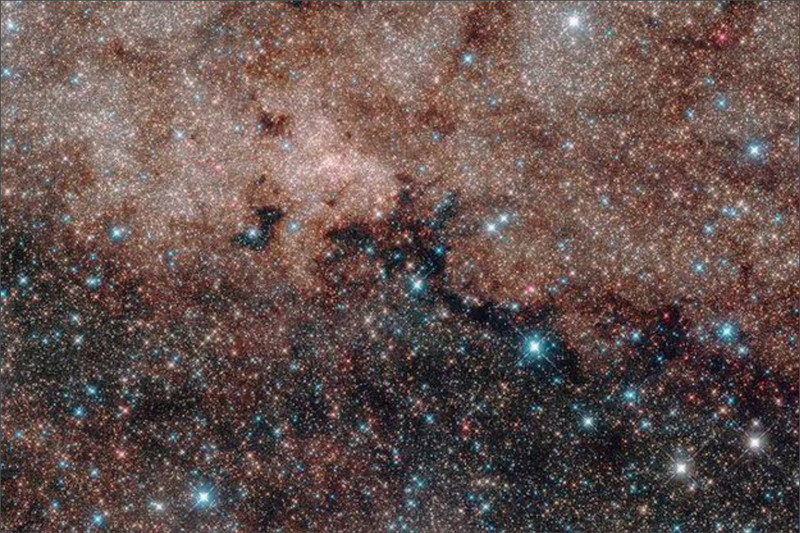
Sweet Interstellar Discovery: Erythrulose Detected in the Milky Way
Scientists from the Spanish Astrobiology Center have for the first time identified a true sugar, erythrulose, in a gas and dust cloud near our galaxy's center. This finding suggests complex molecules can form before stars and planets are born.
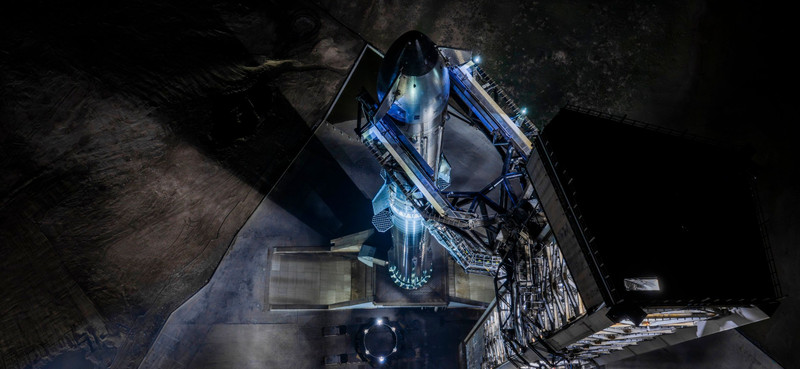
SpaceX Scrubs Starship Test Flight in South Texas
Computer systems detected an anomaly during the Super Heavy booster's engine startup sequence, forcing the mission's abort.
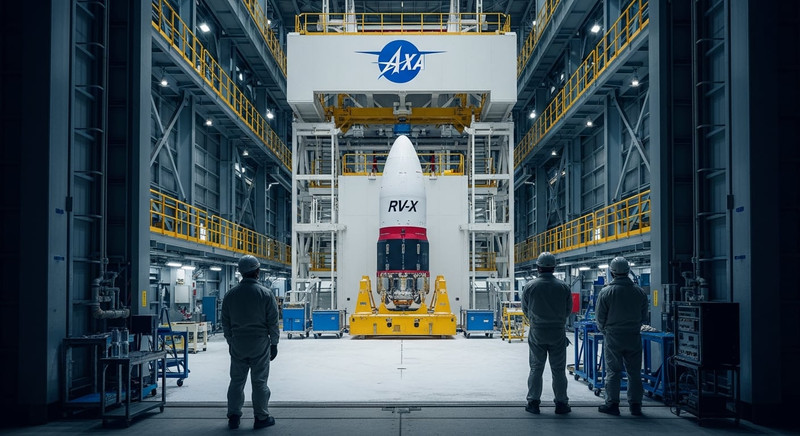
JAXA's RV-X Reusable Rocket Successfully Completes First Flight
Japan's space agency JAXA successfully tested its RV-X prototype, a critical step towards reducing costs and boosting competitiveness in the global space market.
Latest news
View all
Paramount and Warner Bros. Merger Halted by Judge Over Antitrust Concerns
A coalition of 12 states successfully petitioned Judge Araceli Martinez-Olguin to temporarily block the deal, citing fears of higher prices and reduced content.

MIT Chip Converts Invisible Infrared Light into Crucial Data
MIT researchers developed an innovative chip detecting methane and propane using mid-infrared light, with potential for millions of pixels and optical computing.

Assassin's Creed Black Flag Resynced Smashes 3 Million Sales, New Game Plus Announced
Ubisoft's successful re-release of the pirate classic continues to break records, confirming one of the most requested features from the gaming community.
Comments (0)
No comments yet. Be the first!
Only registered readers can comment.