
Worms in Space: Unlocking Astronaut Health for Future Moon Missions
A UK scientific team sent microscopic worms to the International Space Station. They aim to understand how to protect human health in deep space.

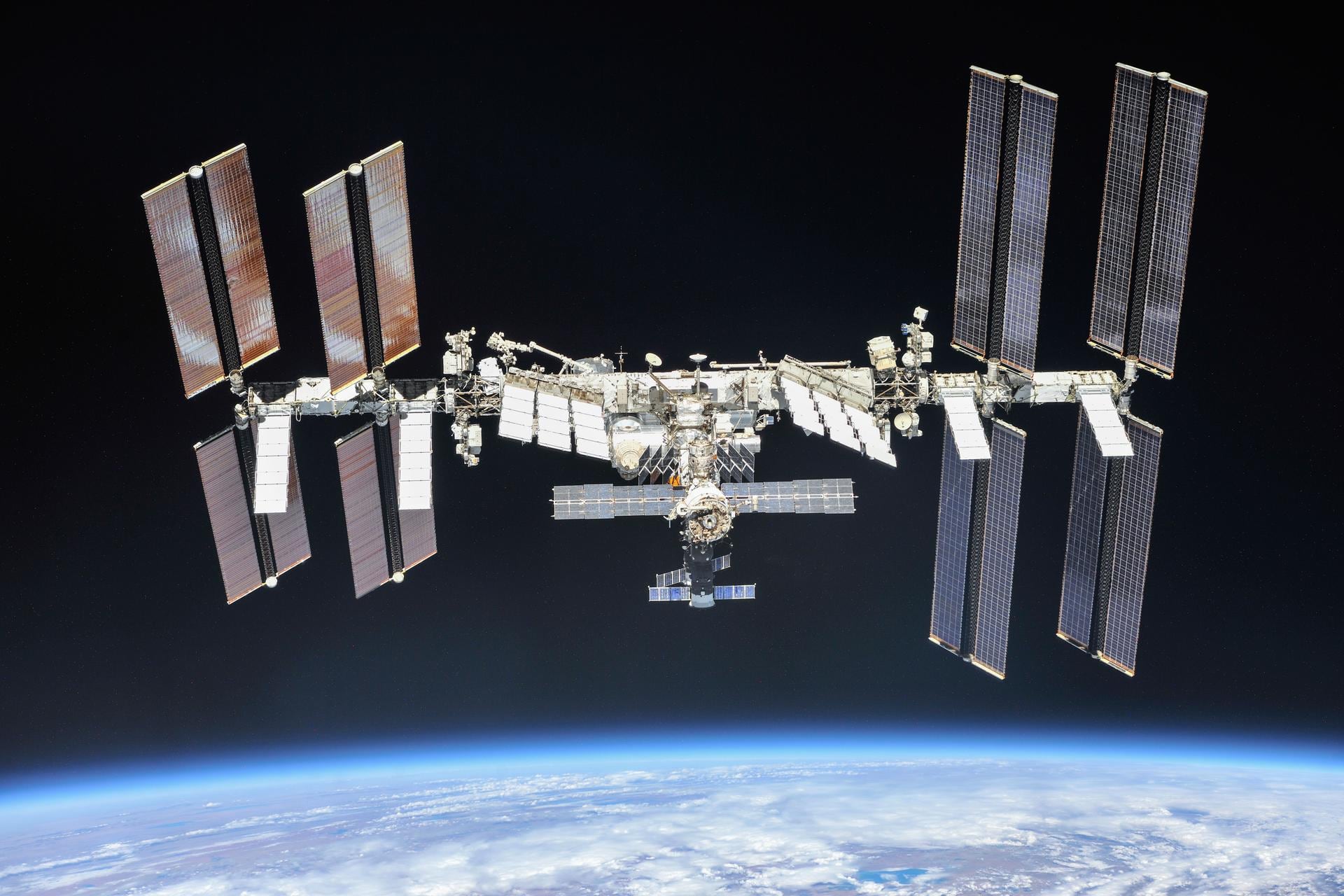
A scientific team from the United Kingdom sent microscopic worms to the International Space Station (ISS). This mission seeks to investigate how living organisms respond to the hostile conditions of space. The goal is to identify biological mechanisms that will protect human health during future long-duration missions to the Moon and beyond. The initiative launched from Kennedy Space Center as part of NASA's Northrop Grumman CRS-24 mission.
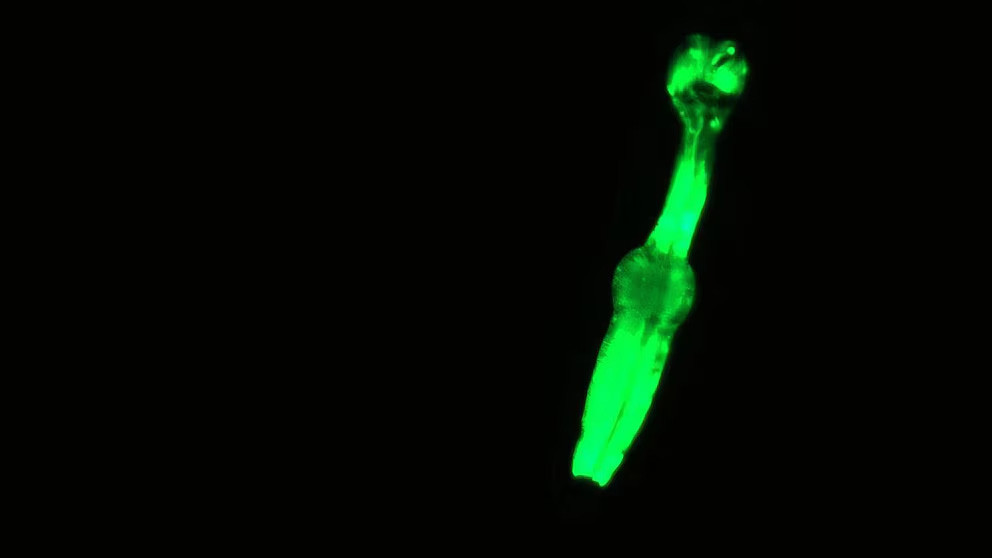
The experiment, developed by the University of Exeter and coordinated by the University of Leicester, travels encapsulated in a miniaturized laboratory. This device, called the "Petri Pod," measures just 10 x 10 x 30 centimeters and weighs only 3 kilograms. It houses dozens of C. elegans nematodes, a type of one-millimeter-long worm widely used in biological research.
The "Petri Pod" maintains a breathable atmosphere, temperature, and pressure for its inhabitants. It can operate even when exposed to the vacuum and space radiation outside the ISS for up to 15 weeks. Researchers on the ground remotely control the device from the United Kingdom. This system significantly expands the scale of complex biological experiments feasible in space, reducing costs.
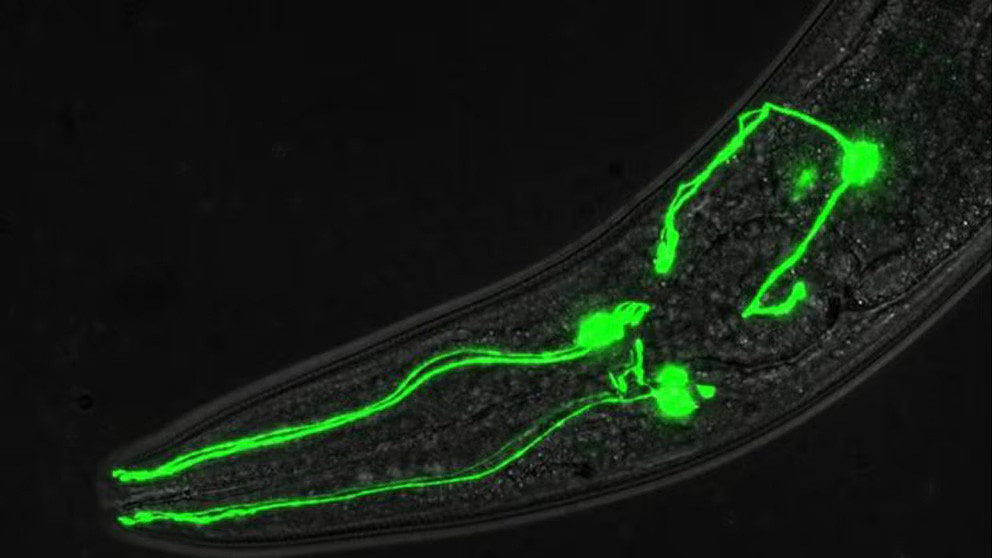
During the operational phase, scientists monitor the organisms' well-being. They use fluorescent and optical signals captured in video and high-resolution photographs. The system's sensors document temperature, pressure, and radiation, transmitting all data to the British laboratories. This trial represents the first major microgravity biological sciences project led by Leicester, in collaboration with the British aerospace company Voyager Space Technologies.
These tiny worms could unlock fundamental insights for the future of human spaceflight.
Liz Lloyd, the UK Space Minister, highlighted the mission's importance. She stated that these tiny worms could unlock fundamental insights for the future of human spaceflight. The minister added that the project demonstrates the creativity and drive of British space science. It leverages a small experiment to tackle one of the most complex challenges: protecting human health on long-duration flights.
Dr. Tim Etheridge, an expert in physiology at Exeter, contextualized the study's relevance. He explained that NASA's Artemis program will open a new era of exploration. Astronauts will live and work on the Moon for extended periods. To achieve this safely, understanding how the human body responds to deep space's extreme conditions is essential. Studying how these worms survive and adapt in orbit will provide vital information.
Keep reading online — scan the code
https://go.tricuatro.com/ar0GH
© tricuatro.com
Article topics
Related articles
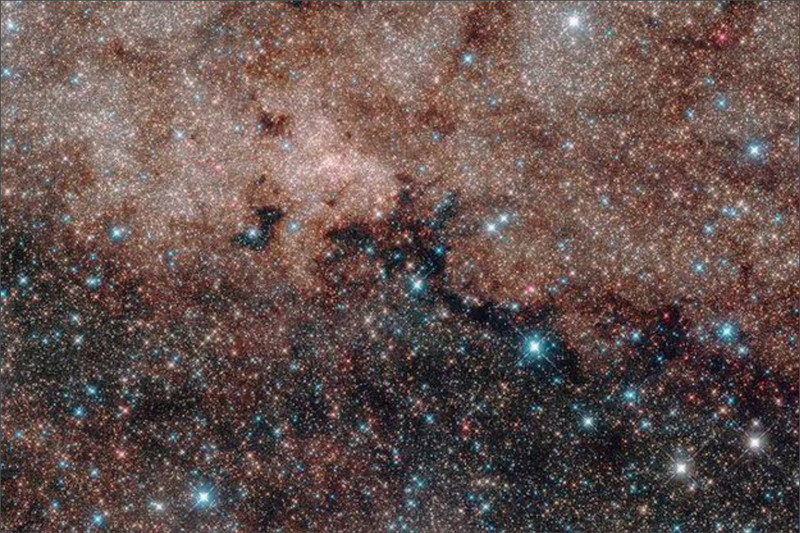
Sweet Interstellar Discovery: Erythrulose Detected in the Milky Way
Scientists from the Spanish Astrobiology Center have for the first time identified a true sugar, erythrulose, in a gas and dust cloud near our galaxy's center. This finding suggests complex molecules can form before stars and planets are born.
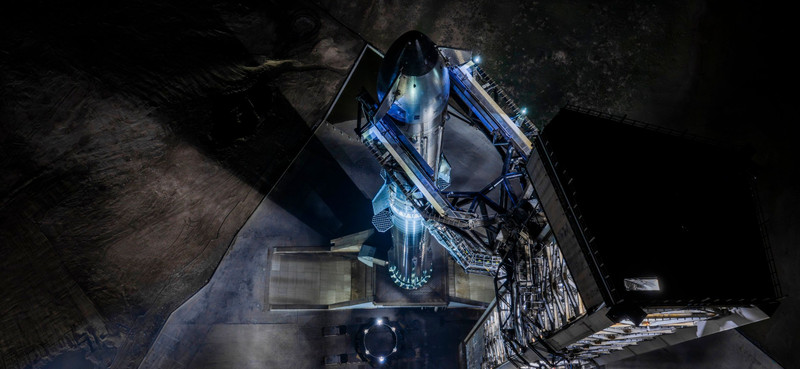
SpaceX Scrubs Starship Test Flight in South Texas
Computer systems detected an anomaly during the Super Heavy booster's engine startup sequence, forcing the mission's abort.

JAXA's RV-X Reusable Rocket Successfully Completes First Flight
Japan's space agency JAXA successfully tested its RV-X prototype, a critical step towards reducing costs and boosting competitiveness in the global space market.
Latest news
View all
Paramount and Warner Bros. Merger Halted by Judge Over Antitrust Concerns
A coalition of 12 states successfully petitioned Judge Araceli Martinez-Olguin to temporarily block the deal, citing fears of higher prices and reduced content.

MIT Chip Converts Invisible Infrared Light into Crucial Data
MIT researchers developed an innovative chip detecting methane and propane using mid-infrared light, with potential for millions of pixels and optical computing.

Assassin's Creed Black Flag Resynced Smashes 3 Million Sales, New Game Plus Announced
Ubisoft's successful re-release of the pirate classic continues to break records, confirming one of the most requested features from the gaming community.
Comments (0)
No comments yet. Be the first!
Only registered readers can comment.