
Investigación Científica

Seeds detect rain sounds and speed up germination, study finds
Research from MIT shows that seeds can perceive vibrations caused by rain, influencing their growth and survival strategies.
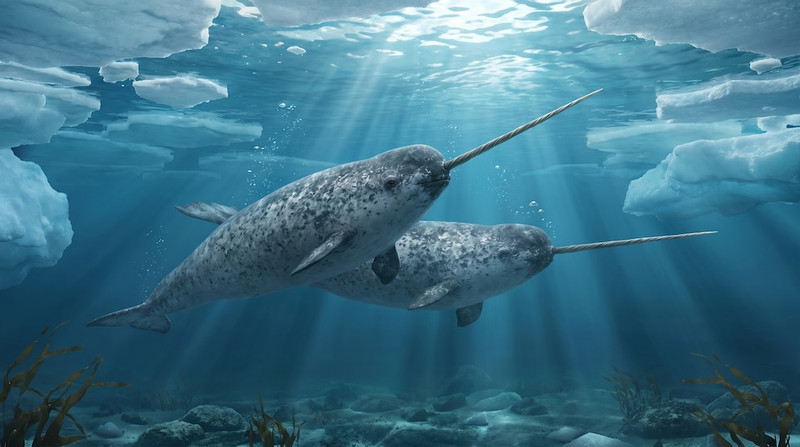
The Sea Unicorn: Its Horn Is Actually a Tooth Filled with Nerves
The narwhal, known as the sea unicorn, has an iconic horn that is actually a long tooth filled with nerves, a result of unique evolution.

Source of Gas Clouds Feeding Sagittarius A* Identified
A new study shows that a massive binary star near Sagittarius A* is responsible for the gas clouds fueling the supermassive black hole.
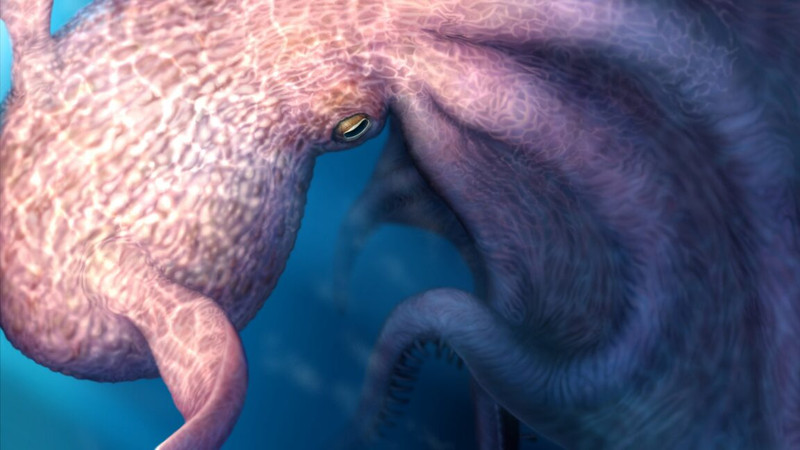
A 19-meter giant octopus swam with mosasaurs in the Cretaceous seas
80 million years ago, Cretaceous oceans were ruled by large reptiles and sharks. New findings reveal a giant invertebrate predator that challenged this view.

Neuroscience Reveals Procrastination is a Survival Instinct
Forget the idea that procrastination is laziness or poor time management. Science shows it's a complex brain response designed to protect our emotions.

Human Crying: A Sophisticated Social Technology, Not a Sign of Weakness
New scientific insights redefine crying, revealing its profound role in human communication and connection. Evolutionary biologists invite us to reconsider its true purpose.

GPT-5.4 Pro AI Solves Decades-Old Mathematical Conjecture
The artificial intelligence GPT-5.4 Pro achieved a monumental breakthrough in number theory. It solved a conjecture that had eluded generations of mathematicians.

Physicists Resolve the Long-Standing Proton Size Puzzle
After years of conflicting measurements, new experimental data confirms a smaller proton radius, closing a significant chapter in fundamental physics.
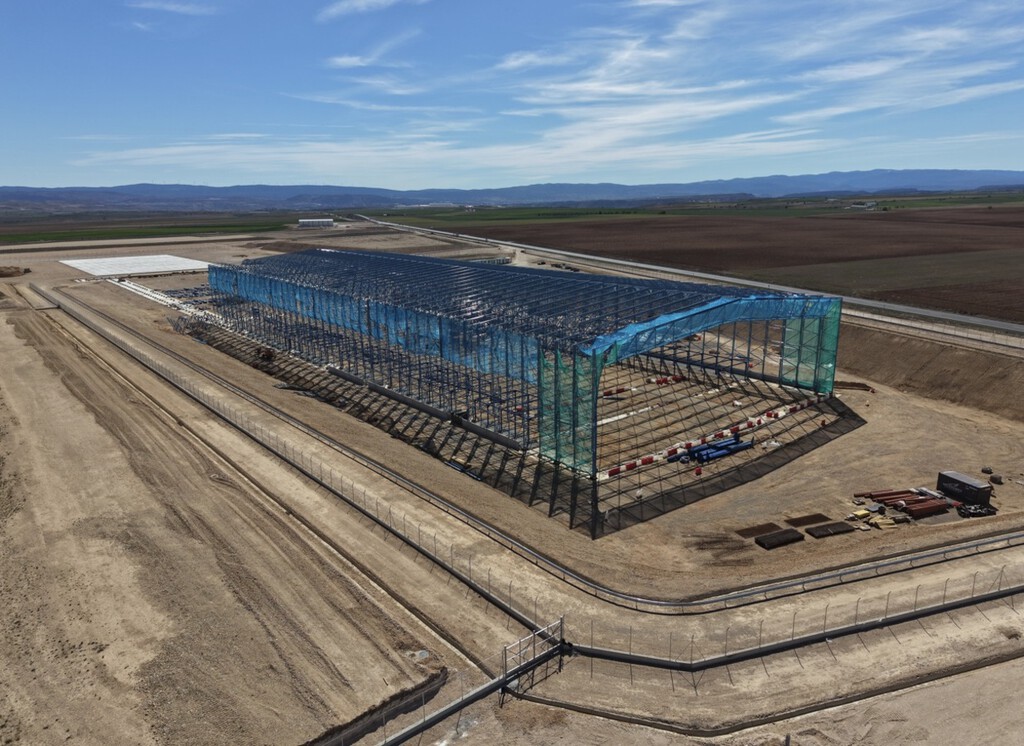
Teruel Set to Become Europe's First 'Astroport' with XXXL Hangar for Stratospheric Airships
Defying expectations, Teruel, a city far from Europe's industrial hubs, is constructing a colossal hangar for stratospheric airships, aiming to establish the continent's first 'astroport' and a pivotal center for aerospace innovation at 20,000 meters altitude.
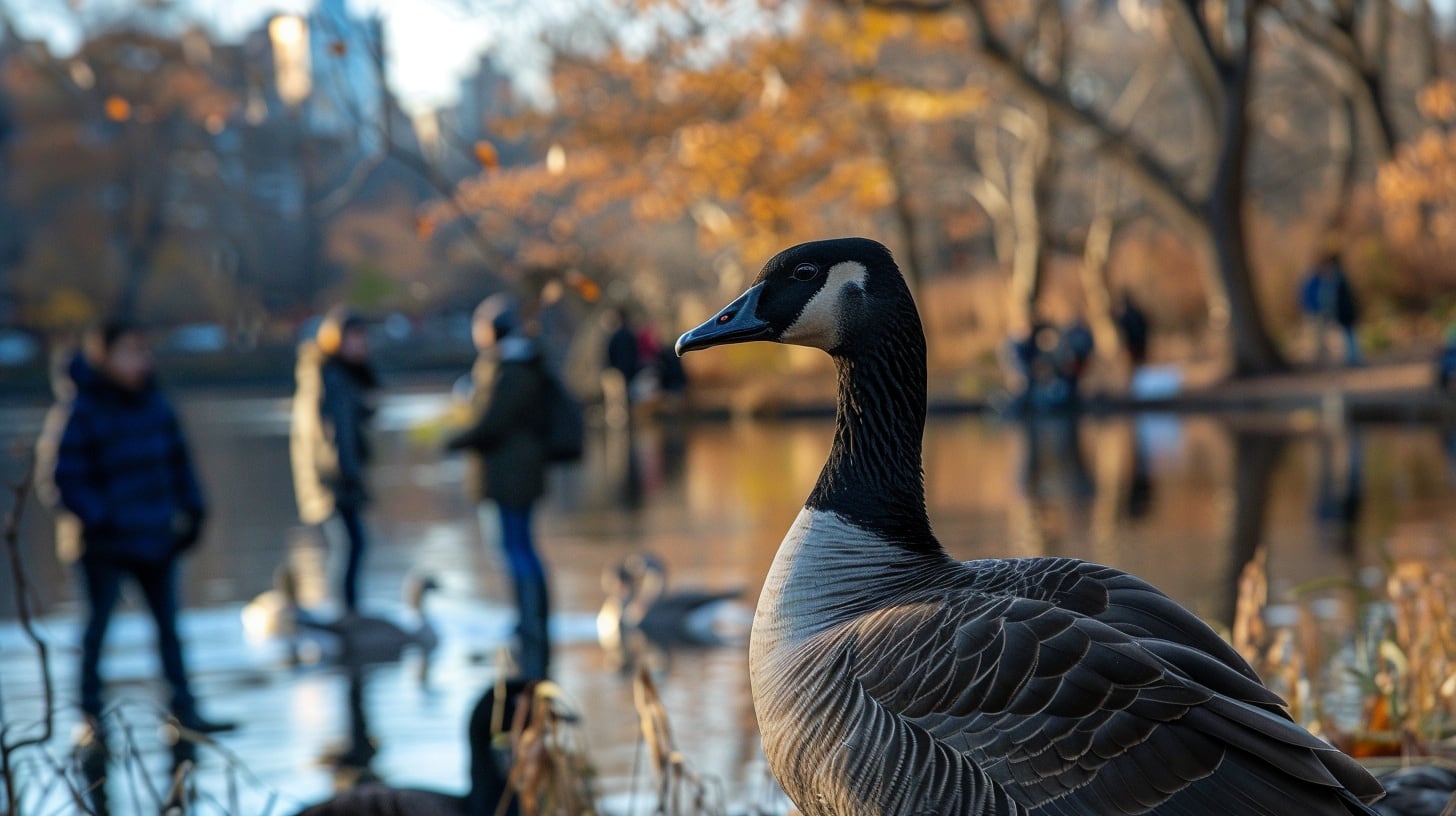
Urban Birds: A Double-Edged Sword in Avian Flu's Global Spread
A recent study reveals that limited waterfowl movement in urban environments can slow the global dispersion of the H5N1 virus, yet paradoxically increases the risk of intense outbreaks in specific locations.
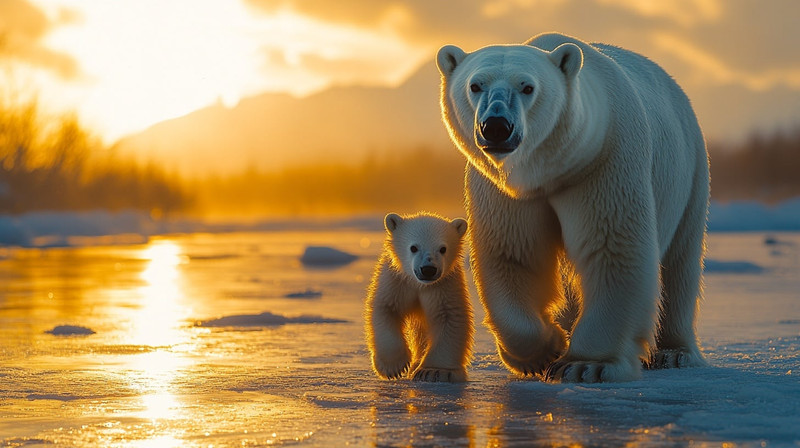
Behavioral Flexibility: A New Key to Animal Adaptation in the Face of Climate Change
An innovative model developed by biologist Carlos Botero at the University of Texas at Austin reveals how animals' capacity to adjust their behavior is crucial for their evolution in the face of climate change, challenging previous paradigms and offering new tools for biodiversity conservation.

"Zombie" Cells: The Revolutionary Technique That Could Revive Bacteria and Transform Synthetic Biology
A research team has successfully reanimated inert bacteria by completely replacing their genomes between species, a breakthrough using "zombie cells" to open new frontiers in microbial engineering and synthetic biology.